In the intricate world of electronics manufacturing, the demand for miniaturization and enhanced reliability has never been higher. Among the myriad of components requiring meticulous assembly, proximity sensors stand out as critical elements in countless applications, from automotive safety systems and industrial automation to consumer smartphones and smart home devices. The process of applying adhesives, sealants, or protective coatings to these sensors—known as proximity sensor dispensing—is a cornerstone of ensuring their long-term performance and durability. This specialized procedure goes far beyond simple glue application; it is a sophisticated dance of precision engineering, material science, and automated control.
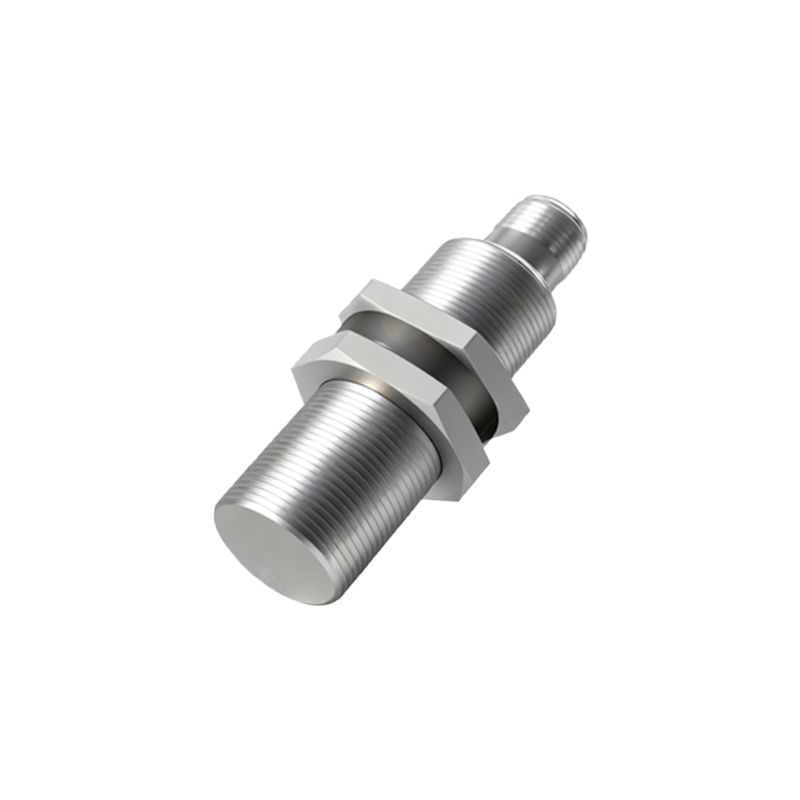
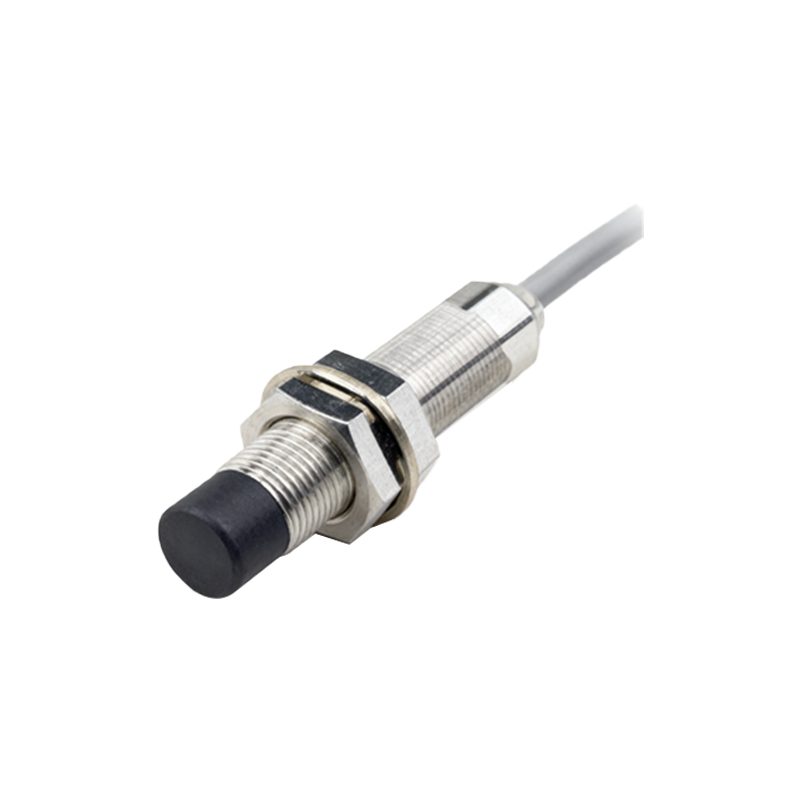
Proximity sensors, whether inductive, capacitive, or optical, are designed to detect the presence or absence of nearby objects without physical contact. Their functionality hinges on sensitive electronic components and often requires protection from environmental hazards such as moisture, dust, chemicals, vibration, and thermal stress. This is where dispensing technology becomes indispensable. A precisely applied bead of epoxy can encapsulate and protect delicate circuitry. A dot of thermally conductive adhesive can secure a component while managing heat dissipation. A ring of silicone gel can create a hermetic seal around an optical lens. The choice of material and the accuracy of its placement are paramount; even a minor deviation can impair sensor sensitivity, cause signal drift, or lead to premature failure.
The core challenge in proximity sensor dispensing lies in achieving consistent, repeatable, and contamination-free application. Modern dispensing systems are engineered to meet these demands head-on. They typically employ positive displacement pumps, such as time-pressure, auger screw, or progressive cavity pumps, which offer superior control over dot size, line width, and shot volume. This is crucial because many sensors have tiny, complex geometries with tight tolerances. The adhesive must be confined to specific areas without bleeding onto active sensing surfaces or electrical contacts. Automated vision systems are often integrated to guide the dispensing needle with micron-level accuracy, ensuring each sensor receives an identical application regardless of its position on the assembly line.
Material selection is another critical pillar. Formulators have developed a vast array of adhesives and sealants with properties tailored for sensor applications. Key considerations include viscosity, cure speed (UV, thermal, or moisture), flexibility, thermal conductivity, and environmental resistance. For instance, a sensor in an automotive wheel bearing might require a tough, flexible epoxy resistant to brake dust and extreme temperatures, while a medical device sensor might need a biocompatible silicone. The dispensing system must be compatible with these varied materials, capable of handling different pot lives and flow characteristics without clogging or degrading the material.
The benefits of optimized proximity sensor dispensing are substantial. First and foremost is enhanced product reliability and lifespan. Proper encapsulation shields internal components from corrosive elements and mechanical shock, directly reducing field failure rates. This reliability is a key selling point in industries like automotive and aerospace, where safety is non-negotiable. Secondly, precision dispensing minimizes material waste. By applying the exact amount needed, manufacturers reduce consumption of often-expensive specialty adhesives, lowering the bill of materials. Furthermore, automated dispensing increases production throughput and consistency compared to manual methods, reducing human error and labor costs.
Looking ahead, trends in electronics are pushing dispensing technology to new frontiers. The rise of the Internet of Things (IoT) means more sensors are being embedded in more devices, often in challenging environments. This drives innovation in both materials, such as low-outgassing formulations for vacuum applications, and equipment, like ultra-high-speed dispensers for mass production. Additionally, the integration of artificial intelligence and machine learning for process monitoring allows for real-time quality control, where the dispensing parameters can be dynamically adjusted to compensate for any detected anomalies, pushing yield rates even higher.
In conclusion, proximity sensor dispensing is not a peripheral step but a central, enabling technology in modern manufacturing. It embodies the marriage of precision and protection that defines high-quality electronics. As sensors become more sophisticated and ubiquitous, the role of advanced, reliable dispensing solutions will only grow in importance, silently ensuring that the devices we depend on perform flawlessly day after day.
