Proximity sensors are ubiquitous in industrial automation, playing a critical role in object detection, positioning, and counting without physical contact. Among various target materials, aluminum presents a unique set of challenges and considerations. Understanding how standard inductive proximity sensors interact with aluminum, and the solutions available for reliable detection, is essential for system designers and maintenance engineers.
Inductive proximity sensors operate on the principle of electromagnetic induction. The sensor generates an oscillating electromagnetic field from its sensing face. When a conductive metal target enters this field, eddy currents are induced on the target's surface. These eddy currents draw energy from the sensor's oscillator, causing a change in the oscillation amplitude. The sensor's circuitry detects this change and triggers an output signal. The effectiveness of this process depends heavily on the target material's electrical conductivity and magnetic permeability.
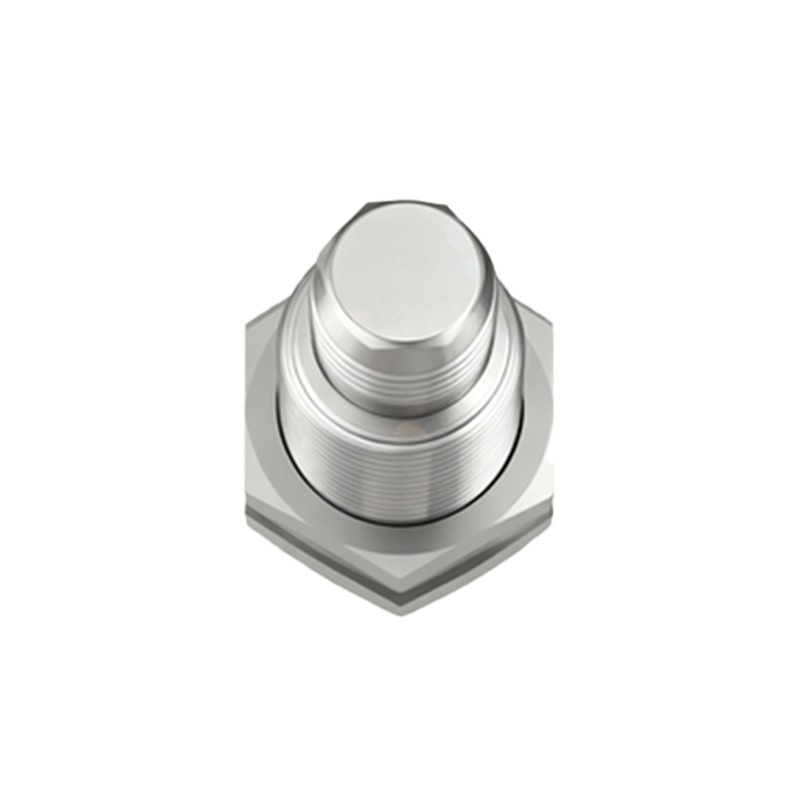
This is where aluminum poses a challenge. Aluminum is a non-ferrous metal with high electrical conductivity but very low magnetic permeability (essentially a value of 1, similar to air). Standard inductive sensors are typically optimized for ferrous metals like steel and iron, which have both good conductivity and high magnetic permeability. The high permeability of ferrous materials concentrates the sensor's electromagnetic field, allowing for longer sensing distances. Since aluminum lacks this property, the effective sensing range for a standard inductive sensor is significantly reduced—often to just 40-60% of its rated sensing distance for steel.
For instance, a sensor with a 10mm rated sensing distance for steel might only detect a solid aluminum plate at approximately 4-6mm. This reduction must be carefully accounted for during machine design and sensor selection to avoid unreliable operation. Furthermore, factors like the target's size, shape, and alloy composition can influence performance. Thin aluminum foil or small parts may not provide enough mass to induce sufficient eddy currents, falling below the sensor's detection threshold. Different aluminum alloys (e.g., 6061 vs. 1100) have slightly varying conductivities, which can marginally affect the sensing distance.
To achieve robust and reliable detection of aluminum targets, several strategies are employed in the industry. The most direct approach is to select a sensor specifically designed or calibrated for non-ferrous metals. Some manufacturers offer "non-ferrous" or "all-metal" inductive sensors. These sensors often operate at a higher frequency, making them more sensitive to the eddy currents generated in conductive but non-magnetic materials like aluminum, copper, and brass. Their sensing distance for aluminum is typically much closer to their rated steel distance, improving consistency.
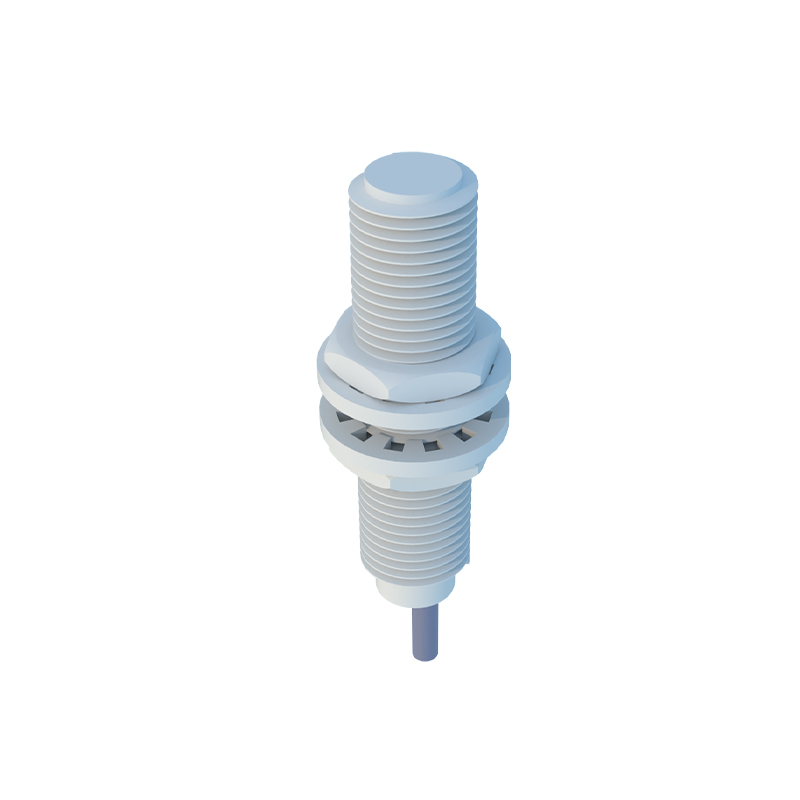
Another common and cost-effective solution is to use a standard inductive sensor but attach a ferrous "trigger" to the aluminum target. A small steel washer or plate fixed to the part provides a highly permeable target for the sensor, ensuring full sensing range and reliability. This is a practical fix for existing applications where replacing sensors is undesirable.
Environmental and installation factors are equally important. Aluminum chips and dust, common in machining environments, can be conductive and may cause false triggering if they accumulate on the sensor face. Ensuring a clean sensing area and, if necessary, selecting a sensor with built-in protection against such deposits (like a flush-mounted design) is advisable. Temperature also affects conductivity; while usually negligible in standard indoor settings, extreme temperatures can alter sensing performance.
When integrating sensors for aluminum detection, thorough testing under real-world conditions is paramount. Engineers should verify the actual sensing distance with the specific aluminum part, accounting for any mounting offsets, vibration, or part tolerances. It is good practice to derate the nominal sensing distance by a safety factor (e.g., 20-30%) to ensure a stable operating margin.
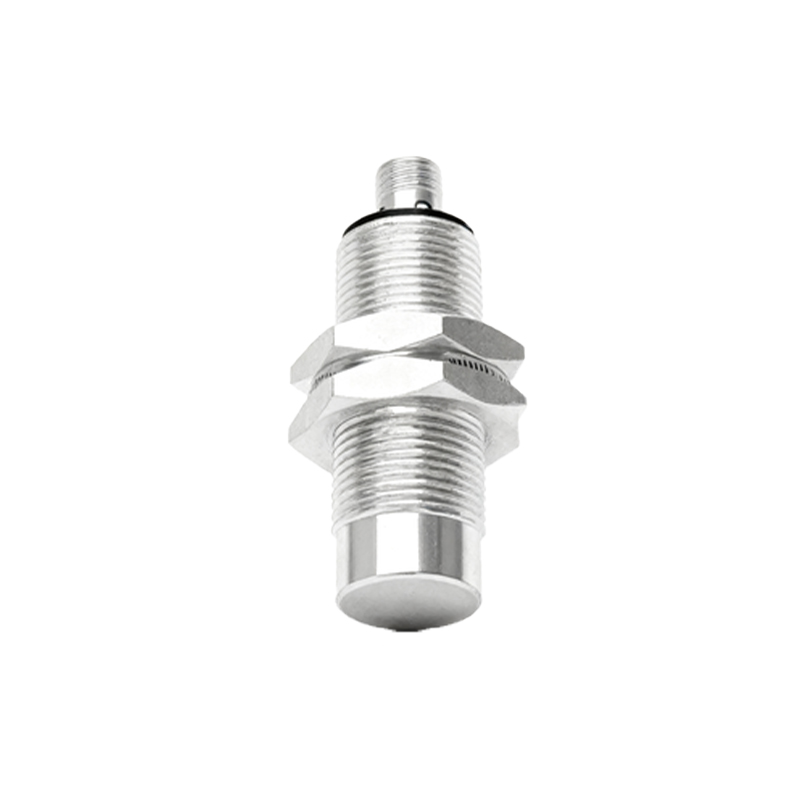
In conclusion, while standard inductive proximity sensors can detect aluminum, their reduced effective range demands careful application. By understanding the material-specific principles, selecting specialized sensors or employing simple mechanical adaptations, and adhering to robust installation practices, engineers can ensure flawless and reliable detection of aluminum components in any automated system. This knowledge bridges the gap between theoretical sensor specifications and dependable real-world performance.