Proximity sensors are integral components in modern automation, robotics, and IoT systems, detecting the presence or absence of objects within a defined range without physical contact. The effectiveness of these sensors largely depends on the algorithms that process their raw data, translating electrical signals into actionable insights. Programming these algorithms requires a blend of hardware understanding, signal processing techniques, and software development skills.
At the core of proximity sensor programming lies the need to handle analog or digital outputs, depending on the sensor type—such as inductive, capacitive, infrared, or ultrasonic sensors. For instance, inductive sensors generate voltage changes when metal objects approach, while capacitive sensors respond to non-metallic materials by detecting changes in capacitance. Algorithms must account for these variations by implementing calibration routines to establish baseline readings, reducing false triggers from environmental noise or interference. A common approach involves setting threshold values through empirical testing, where the algorithm compares real-time sensor data against these thresholds to determine object proximity.
Signal filtering is another critical aspect, as raw sensor data often contains noise that can lead to inaccurate detections. Programmers employ digital filters, like moving average or low-pass filters, to smooth out fluctuations. For example, a moving average filter calculates the average of recent sensor readings, dampening sudden spikes while maintaining responsiveness. In more advanced applications, adaptive filtering techniques adjust parameters dynamically based on environmental conditions, enhancing reliability in variable settings such as outdoor or industrial environments.
Algorithm efficiency becomes paramount in resource-constrained systems, such as battery-powered IoT devices. Here, programmers optimize code to minimize power consumption by implementing sleep modes or interrupt-driven routines. The sensor remains inactive until an object enters its range, triggering an interrupt that wakes the microcontroller to execute the detection algorithm. This approach extends battery life while ensuring timely responses. Additionally, algorithms may incorporate hysteresis to prevent rapid toggling between states when an object hovers near the threshold distance, providing stable output signals.
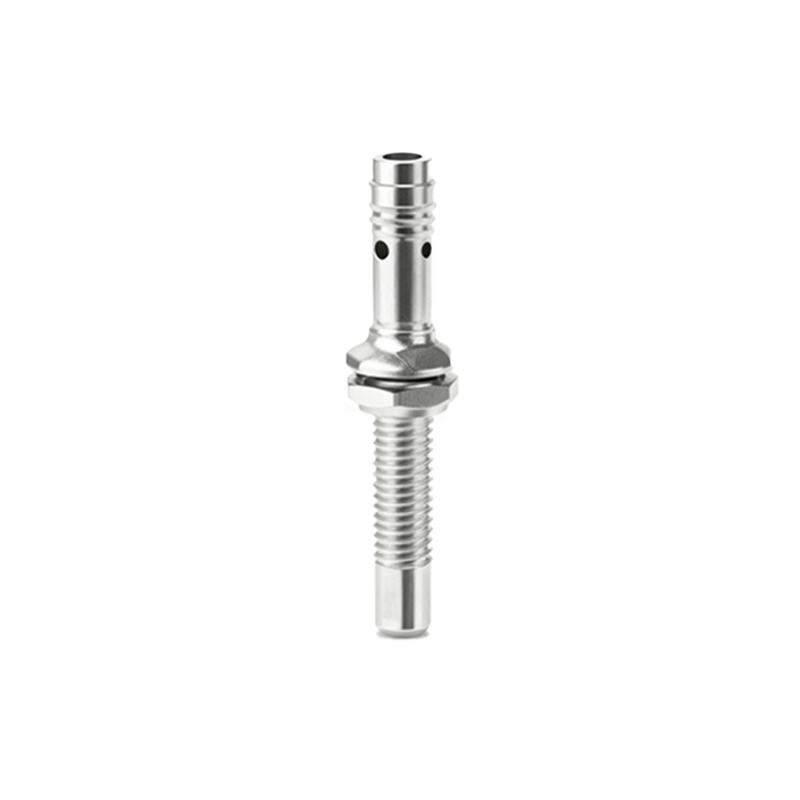
In robotics and automation, proximity sensors often work in arrays, requiring algorithms that fuse data from multiple sources. Sensor fusion techniques, like Kalman filters, combine inputs to improve accuracy and resolve conflicts. For instance, in an autonomous vehicle, ultrasonic and infrared sensors might detect obstacles simultaneously; the algorithm weighs each sensor's reliability based on factors like weather conditions or object material, generating a consolidated proximity assessment. Programming such systems involves multi-threading or real-time operating systems to handle concurrent data streams without latency.
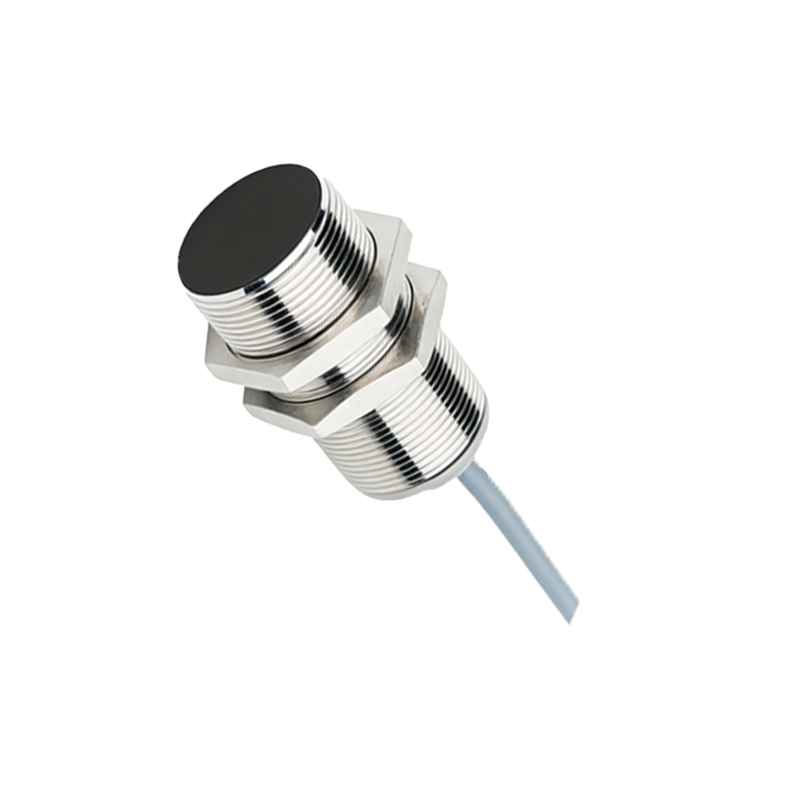
Machine learning is increasingly applied to proximity sensor algorithms, enabling pattern recognition and predictive capabilities. By training models on historical sensor data, algorithms can learn to distinguish between different object types or predict movement trajectories. For example, in smart home systems, a proximity sensor coupled with a neural network might differentiate between a person and a pet, reducing false alarms. Implementing these algorithms requires frameworks like TensorFlow Lite for embedded devices, balancing complexity with computational limits.
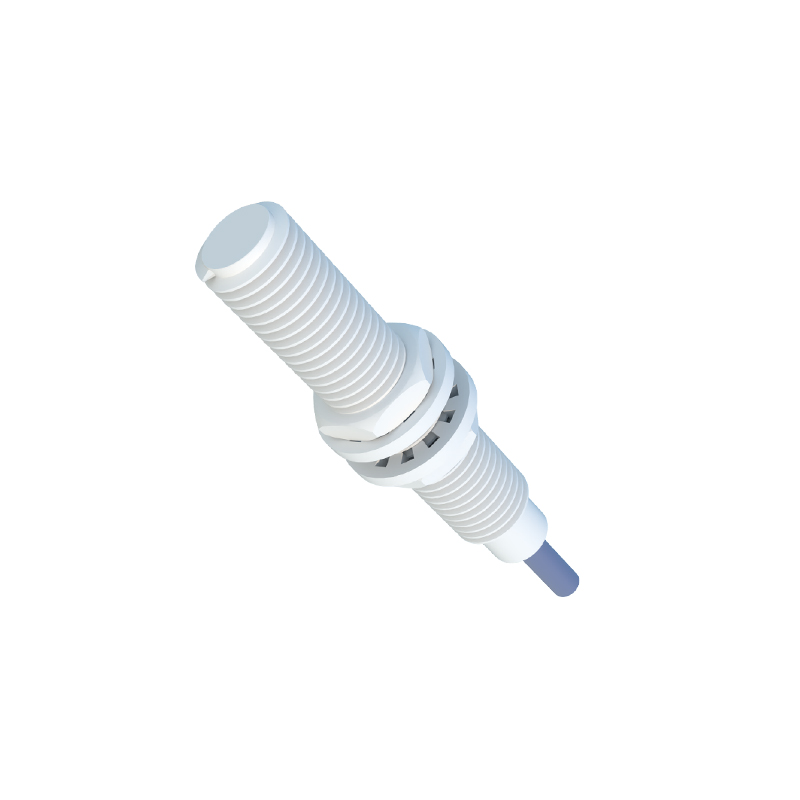
Debugging and testing are essential phases in algorithm development. Programmers use simulators or hardware-in-the-loop setups to validate performance under various scenarios, such as different object sizes, speeds, or environmental interferences. Documentation and code comments ensure maintainability, especially in open-source or collaborative projects. Best practices include modular programming, where sensor drivers and algorithm logic are separated, facilitating updates or sensor replacements without overhauling the entire codebase.
Ultimately, programming proximity sensor algorithms is a multidisciplinary endeavor, demanding attention to detail and iterative refinement. As sensors evolve with higher resolutions and faster response times, algorithms must adapt to leverage these advancements, driving innovation in fields from industrial safety to consumer electronics. By mastering the interplay between hardware signals and software logic, developers can create robust systems that enhance automation efficiency and user experience.