In the seamless interaction between humans and machines, a silent yet crucial technology operates behind the scenes: the proximity sensor. These unassuming components are fundamental to the functionality, safety, and user experience of countless devices we use daily. At its core, a proximity sensor is a device that detects the presence or absence of an object within a specified range without any physical contact. It achieves this by emitting a field or beam of electromagnetic radiation, often infrared light, and then looking for changes in the field or the return signal.
The principle is elegantly simple. When an object enters the sensor's detection field, it causes a disturbance. This disturbance is converted by the sensor's electronics into an electrical signal that triggers a predefined action. This non-contact nature is its primary advantage, leading to high reliability, long operational life, and the ability to detect objects where contact is impossible or undesirable.
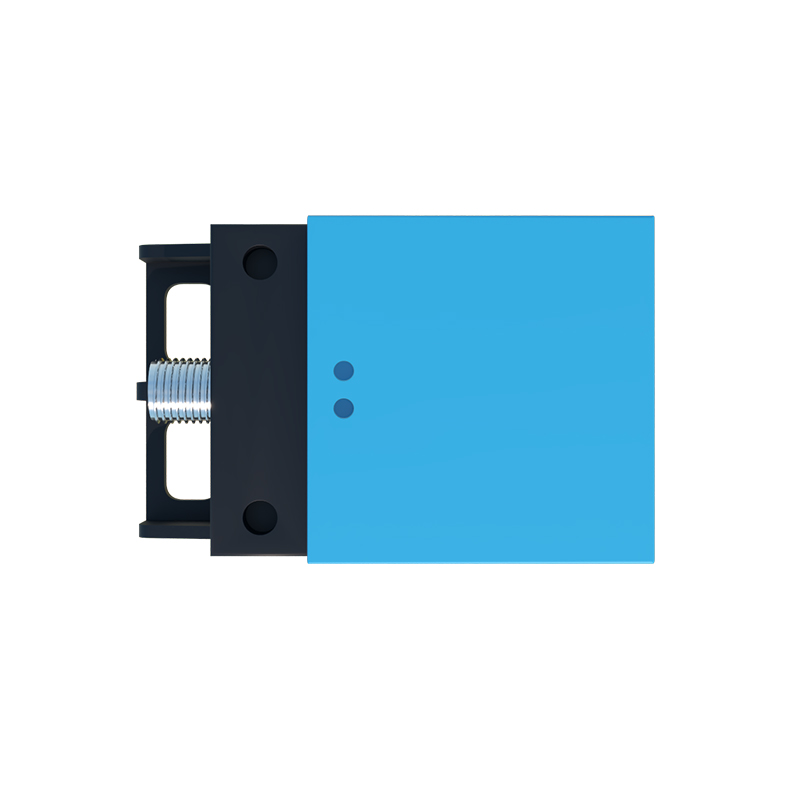
Several types of proximity sensors dominate the market, each with unique mechanisms and ideal applications. Inductive proximity sensors are workhorses in industrial automation. They generate an electromagnetic field and detect conductive metals entering that field. You'll find them reliably counting metal parts on assembly lines, confirming the position of robotic arms, or providing end-of-travel detection in machinery. Their robustness makes them perfect for harsh factory environments.
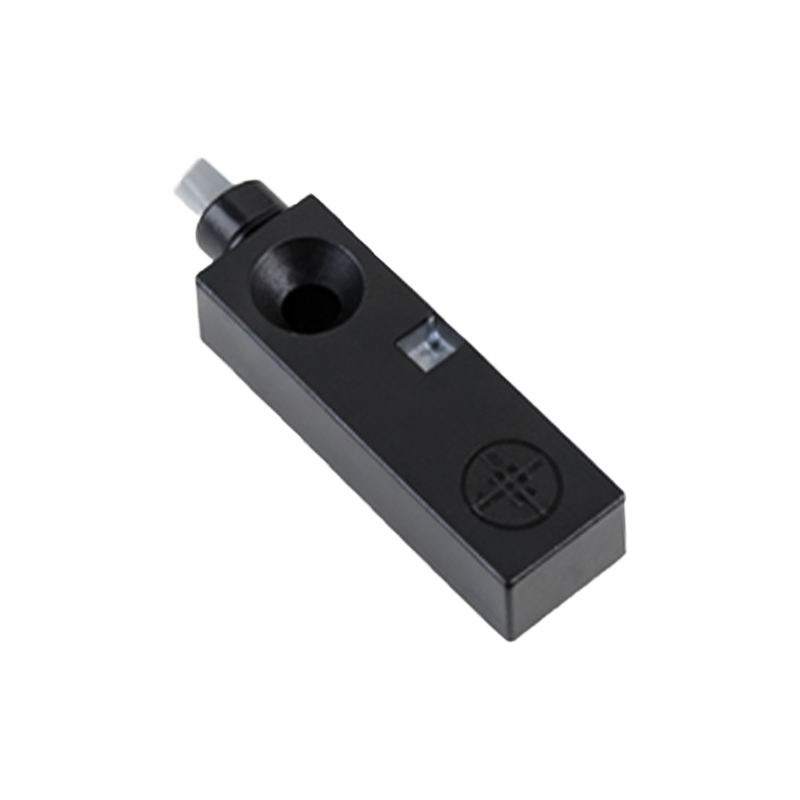
Capacitive proximity sensors, on the other hand, can detect both metallic and non-metallic objects—liquids, plastics, wood, and even granular materials. They work by measuring changes in capacitance caused by an object altering the sensor's electrostatic field. This versatility makes them indispensable in industries like food processing, chemical handling, and packaging, where they can detect material levels through container walls or sense the presence of bottles on a conveyor belt.
For longer-range detection and versatility with different surface types, photoelectric sensors are the go-to choice. These operate by emitting a light beam (visible red or infrared) and using a receiver to detect either the reflection of that beam from an object (diffuse mode), the interruption of a beam sent to a separate receiver (through-beam mode), or the reflection from a dedicated reflector (retro-reflective mode). They are critical in object counting, sorting systems, and safety curtains on automated equipment.
Perhaps the most ubiquitous application for consumers is the infrared (IR) proximity sensor in smartphones and tablets. This tiny component, typically located near the earpiece, plays a vital role in power management and user convenience. During a phone call, the sensor detects when the device is held close to your ear. It immediately signals the system to turn off the touchscreen display to prevent accidental cheek-presses and conserve battery life. When you move the phone away, the screen illuminates again, ready for use. This seamless interaction is a direct result of proximity sensing.
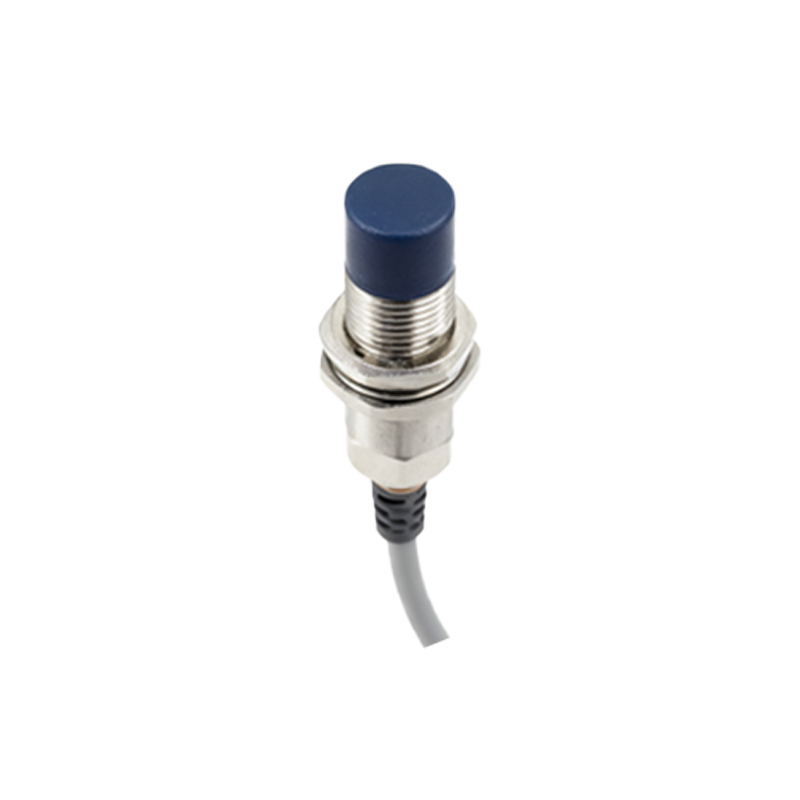
The automotive industry heavily relies on these sensors for advanced driver-assistance systems (ADAS) and parking assistance. Ultrasonic sensors, which emit high-frequency sound waves and measure their echo, are commonly used in parking sensors. They provide audible or visual alerts as a vehicle approaches an obstacle. More advanced systems use combinations of sensor types for features like blind-spot monitoring, automatic emergency braking, and gesture control for infotainment systems.
Beyond convenience, proximity sensors are pillars of safety. Light curtains and safety scanners create invisible protective fields around dangerous machinery. If a hand or object breaks this beam, the system triggers an immediate shutdown, preventing injuries. In public restrooms and commercial buildings, they enable touchless faucets, soap dispensers, hand dryers, and doors, promoting hygiene and reducing waste.
The evolution of this technology continues. Modern sensors are becoming smaller, more energy-efficient, and smarter. They are integrating with microprocessors and IoT (Internet of Things) platforms, allowing for predictive maintenance, where the sensor itself can report on its health or environmental changes. Emerging applications include precision agriculture, interactive retail displays, and advanced robotics requiring delicate object handling.
In conclusion, proximity sensors are a foundational element of modern electronics and automation. Their ability to provide reliable, contactless detection makes them essential for enhancing efficiency, enabling new features, and ensuring safety across industrial, automotive, and consumer domains. As technology progresses towards more intuitive and autonomous systems, the role of these invisible sentinels will only grow more sophisticated and integral to our connected world.