Proximity sensor flat panels represent a significant advancement in human-machine interface (HMI) and interactive display technology. Unlike traditional touchscreens that require physical contact, these panels detect the presence or absence of an object, typically a human hand or finger, within a defined range without any direct touch. This non-contact operation opens up a vast array of applications across various industries, enhancing hygiene, durability, and user experience.
The core technology behind these panels often involves infrared (IR), capacitive, or ultrasonic sensors embedded seamlessly into a flat display surface. Infrared-based systems, for instance, emit an invisible beam of light. When an object interrupts this beam, the sensor detects the change in reflected light and triggers a pre-programmed response. Capacitive sensors, on the other hand, detect changes in an electrostatic field caused by the proximity of a conductive object like a finger. This allows for highly sensitive and accurate detection.
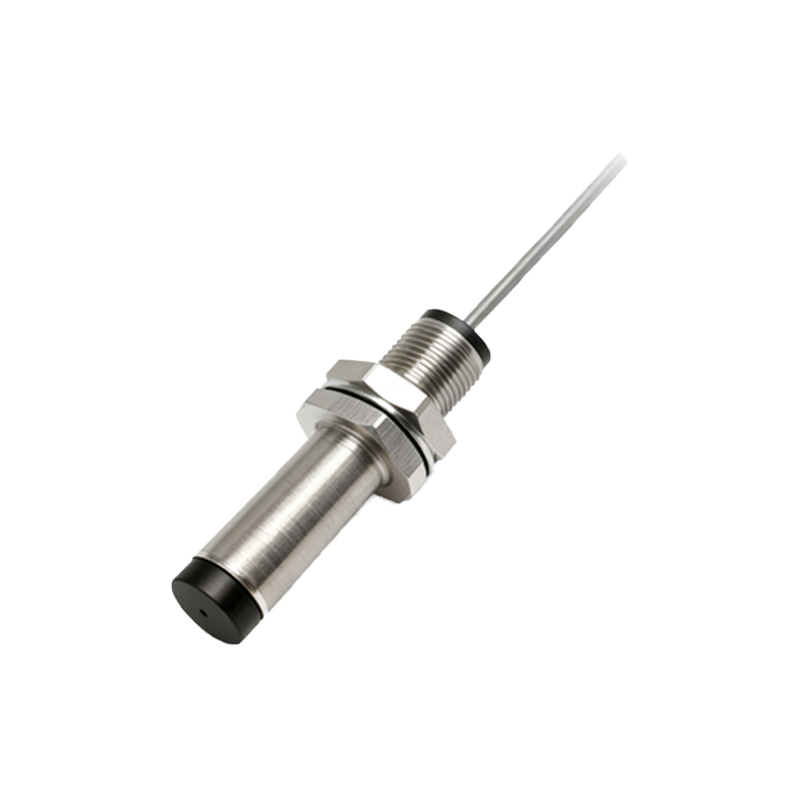
One of the most prominent and critical applications is in public and healthcare environments. Interactive kiosks, information displays in airports or museums, and self-service terminals in fast-food restaurants or banks can benefit immensely. By eliminating the need for physical touch, proximity sensor panels drastically reduce the spread of germs and bacteria, a concern that has become paramount in public health. Users can navigate menus, zoom into maps, or scroll through information with simple hand gestures in front of the screen, creating a more sanitary and user-friendly interface.
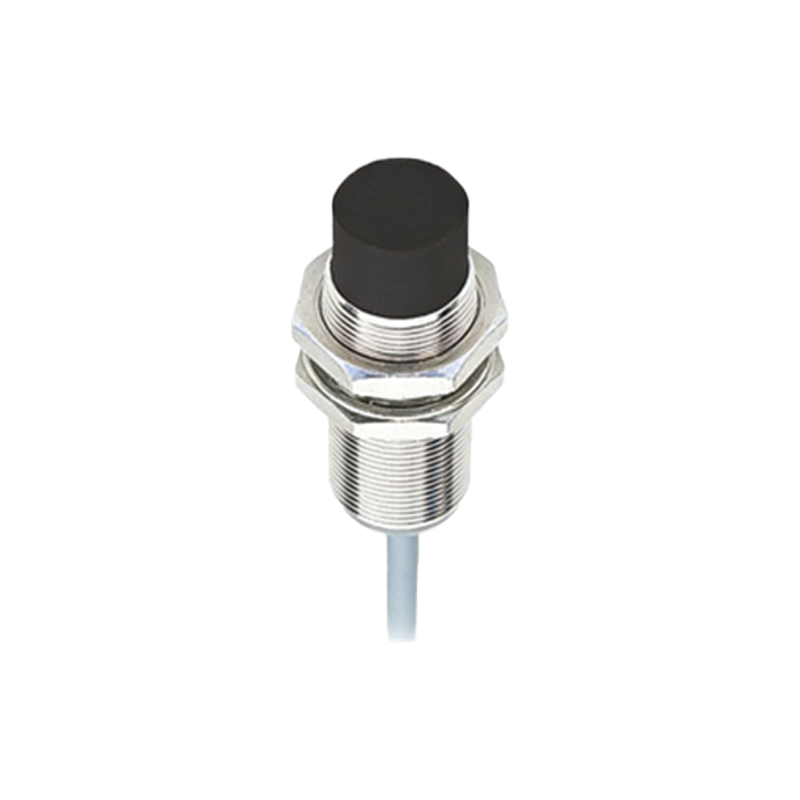
In industrial settings, these panels offer robust solutions. Control panels for machinery on factory floors can be completely sealed, making them resistant to dust, moisture, and liquids—a common requirement where washdowns are necessary. Operators can wear gloves and still interact with the controls via proximity sensing, improving both safety and operational efficiency. The lack of moving parts or pressure-sensitive areas also translates to far greater longevity and reduced maintenance compared to mechanical buttons or standard touchscreens.
The automotive sector integrates proximity sensor technology into center console displays and control panels. As a driver's attention must remain on the road, the ability to activate menus or adjust settings with a simple wave of a hand near the screen minimizes distraction. The sensor can often detect an approaching hand and pre-activate or highlight relevant controls, making the interaction more intuitive and safer.
Beyond functionality, these panels enable innovative and engaging user experiences. In retail, a display can detect a customer approaching and automatically launch a promotional video or product information. In smart home control panels, lights or climate settings can be adjusted with gesture controls, adding a layer of futuristic convenience. The technology also finds use in interactive digital signage and advertising, capturing attention through motion-based interaction.
The benefits are clear: enhanced hygiene, improved durability in harsh environments, reduced mechanical wear, and the enabling of novel, intuitive user interactions. As sensor technology becomes more cost-effective and integration more seamless, the adoption of proximity sensor flat panels is poised to grow. They are not merely a replacement for touch but a step forward towards more responsive, adaptive, and intelligent interfaces that understand user intent without physical contact, shaping the future of how we interact with the digital world around us.