Proximity sensors, often abbreviated as PS in technical documentation and component lists, represent a cornerstone of modern automation and interactive technology. Unlike traditional mechanical switches, these non-contact devices detect the presence or absence of an object within a defined sensing range without any physical contact. This fundamental principle grants them exceptional reliability, longevity, and versatility across countless industries. The core function of a proximity sensor PS is to convert information about the presence of a target into an electrical signal, typically used to trigger a control action, such as stopping a machine, counting objects, or activating a display.
The technology behind proximity sensors is diverse, with several primary types dominating the market. Inductive proximity sensors are among the most common. They generate an electromagnetic field and detect the eddy current losses caused when a metallic target enters this field. These sensors are exceptionally robust, ideal for harsh industrial environments involving machinery, metal fabrication, and automotive assembly lines. They are unaffected by dust, oil, or moisture, making them a workhorse for position sensing of metal parts.
Capacitive proximity sensors, on the other hand, can detect both metallic and non-metallic materials, including liquids, plastics, glass, and wood. They operate by generating an electrostatic field and sensing the change in capacitance when any material with a different dielectric constant enters the field. This makes them perfect for applications like liquid level detection in tanks, material handling of cardboard boxes, or touch-sensitive interfaces.
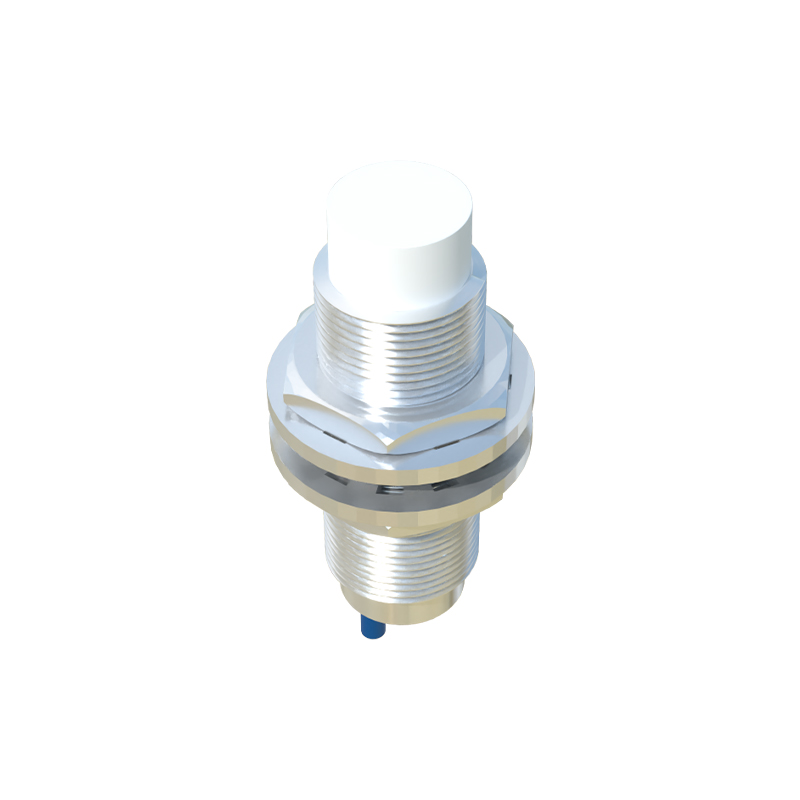
For longer-range detection or sensing of non-metallic objects where capacitive sensors may be limited, photoelectric sensors are frequently employed. These use a light beam (often infrared, laser, or LED) and detect the interruption or reflection of that beam. While sometimes categorized separately, they fulfill the same non-contact proximity sensing role. Ultrasonic sensors use sound waves, measuring the time for an echo to return, and are excellent for challenging conditions with dust, smoke, or detecting clear objects.
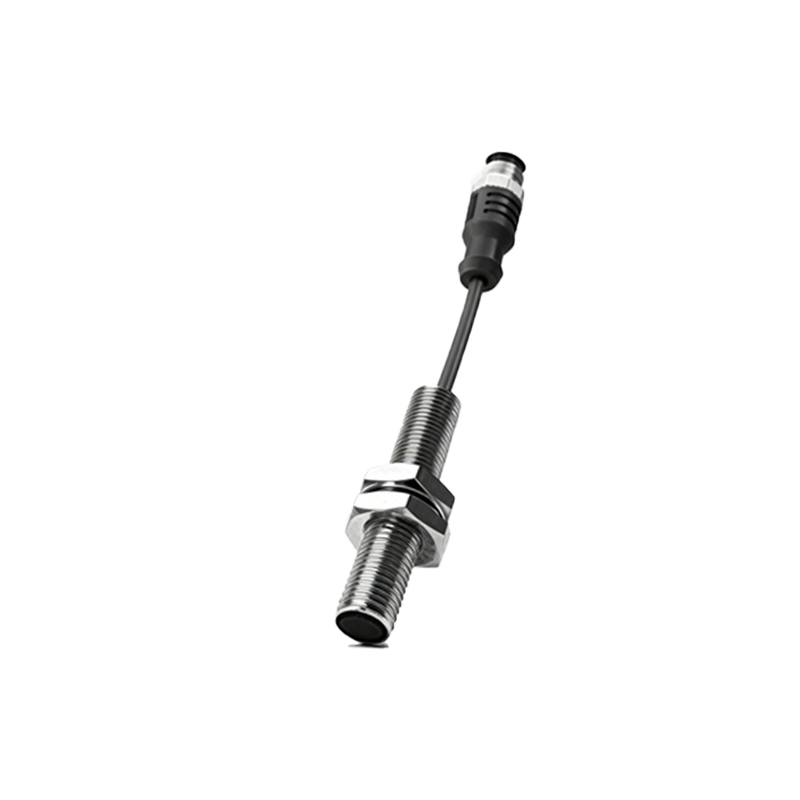
The integration of a proximity sensor PS into a system is typically straightforward. Most modern sensors feature a standardized housing (e.g., cylindrical or block-style) and provide a discrete output. This output is usually in the form of a solid-state switch (PNP or NMP sourcing) that interfaces directly with programmable logic controllers (PLCs), motor drives, or other control circuitry. Key selection parameters include the sensing distance (rated and effective), the target material, the output type, the supply voltage, and the environmental protection rating (IP code).
The applications of proximity sensors are virtually limitless. In industrial automation, they are indispensable for precise positioning of robotic arms, end-of-travel limits on linear actuators, jam detection in conveyor systems, and high-speed counting of products on packaging lines. The consumer electronics sector relies heavily on miniaturized versions. The familiar automatic screen turn-off during a phone call is managed by a tiny infrared proximity sensor PS. Similarly, they enable touchless faucets, automatic soap dispensers, and interactive kiosks.
Advanced manufacturing, such as in semiconductor fabrication, uses highly precise sensors for wafer handling and alignment. In the automotive industry, they contribute to safety and convenience features, from parking assist systems that detect obstacles to automatic trunk opening. Even everyday appliances like dishwashers and refrigerators may use them for door-ajar detection or to optimize functions.
When implementing a proximity sensor PS, several practical considerations ensure optimal performance. Sensor mounting is critical; metallic surroundings can affect the sensing field of inductive models. Ensuring a stable power supply and proper shielding of cables in electrically noisy environments prevents false triggering. Regular maintenance, though minimal, involves keeping the sensing face clean from debris buildup that could attenuate the signal. Understanding the difference between the nominal sensing distance (under ideal conditions) and the practical, reduced distance when accounting for target size, material, and temperature is crucial for reliable system design.
Looking forward, the evolution of proximity sensing continues. Trends point towards miniaturization, enabling integration into smaller devices like wearables and medical implants. Enhanced intelligence is another frontier, with sensors incorporating IO-Link or other digital communication protocols to provide diagnostic data, such as signal strength, temperature, or operating hours, facilitating predictive maintenance. Furthermore, the fusion of multiple sensing technologies (e.g., combining inductive and capacitive principles) into single units is creating more adaptive and application-specific solutions.
In conclusion, the proximity sensor PS is a silent yet pivotal enabler of efficiency, safety, and innovation. From rugged factory floors to sleek smartphones, its ability to provide reliable, non-contact detection forms an invisible layer of intelligence in both industrial and consumer domains. A clear understanding of its operating principles, types, and application guidelines is essential for engineers, technicians, and designers aiming to build responsive and automated systems for the future.