In the realm of industrial automation and smart systems, the ability to detect the presence or absence of an object without physical contact is fundamental. Double Up Electric, a notable name in sensor technology, offers a range of proximity sensors designed to meet this critical need with reliability and precision. These devices are pivotal components in manufacturing lines, packaging systems, automotive assembly, and countless other applications where efficiency, safety, and accuracy are paramount.
Proximity sensors from Double Up Electric primarily operate on the inductive principle, making them ideal for detecting metallic objects. When a metal target enters the sensor's electromagnetic field, it induces eddy currents that cause a change in the oscillation amplitude. This change is detected by the sensor's circuitry, triggering a solid-state output signal. This non-contact method eliminates mechanical wear and tear, ensuring a long operational life and reducing maintenance costs. For non-metallic object detection, Double Up also provides capacitive variants that can sense materials like wood, plastic, and liquids by detecting changes in capacitance.
The design and construction of Double Up proximity sensors emphasize robustness. Housed in durable materials such as nickel-plated brass or stainless steel, they are built to withstand harsh industrial environments. This includes resistance to dust, moisture, oils, and coolants, often conforming to IP67 or higher ingress protection ratings. This durability ensures consistent performance in challenging conditions, from automotive workshops to food processing plants.
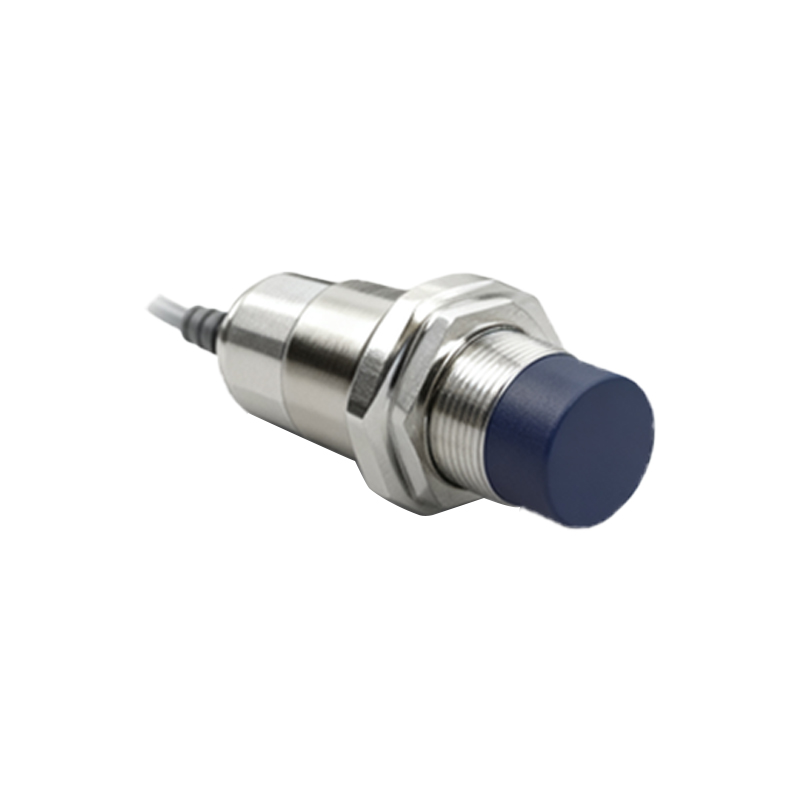
One of the key advantages is their versatility in mounting and configuration. Available in tubular (cylindrical) and rectangular form factors, these sensors can be easily integrated into existing machinery. They come in various sensing ranges, from a few millimeters to several tens of millimeters, allowing engineers to select the perfect model for specific spatial constraints and detection requirements. Furthermore, options like shielded (flush-mountable) or unshielded (non-flush) designs provide flexibility for installation near metal surfaces.
The output signals are typically in the form of NPN (sinking) or PNP (sourcing) transistor configurations, compatible with standard Programmable Logic Controllers (PLCs) and other control systems. Some advanced models feature analog outputs or IO-Link communication, enabling not just binary detection but also the transmission of detailed data like distance measurements or sensor health status. This facilitates predictive maintenance and deeper integration into Industry 4.0 frameworks.
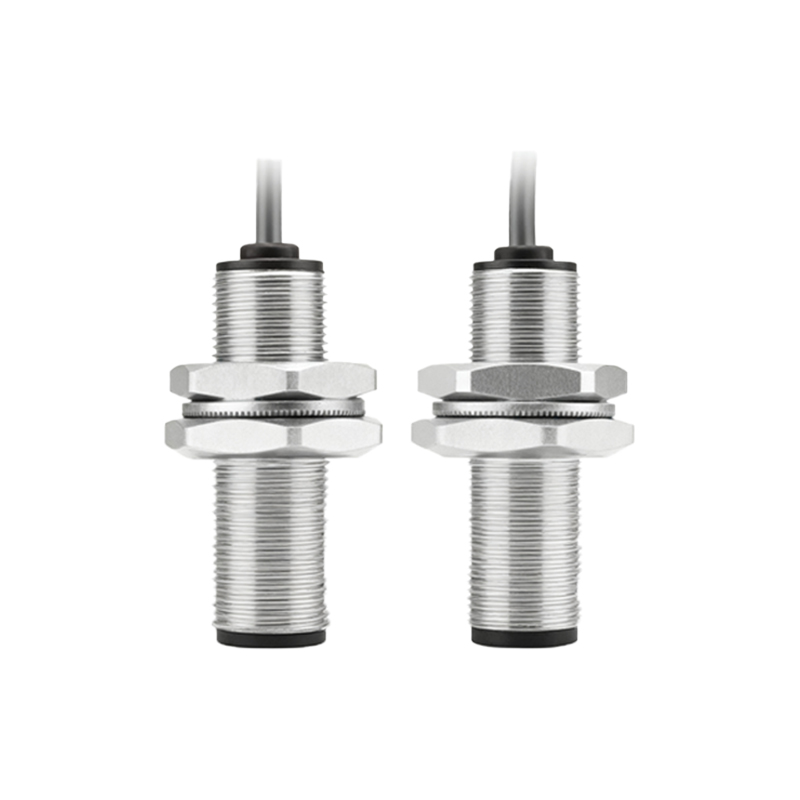
Installation and wiring are straightforward, often featuring LED indicators for operational status. This simplifies setup and troubleshooting, minimizing machine downtime. When selecting a Double Up proximity sensor, critical parameters to consider include the sensing distance, target material, operating voltage, output type, and environmental factors like temperature ranges.
In practical applications, these sensors perform crucial tasks. On an assembly line, they can count products, confirm the position of a robotic arm, or detect the presence of a component for quality control. In automated warehousing, they ensure the precise positioning of pallets. In safety systems, they can act as interlock devices to prevent machine operation if a guard door is open.
Double Up Electric's commitment to innovation means their sensors often incorporate features like short-circuit protection, reverse polarity protection, and high noise immunity. This enhances system reliability and protects against common electrical faults.
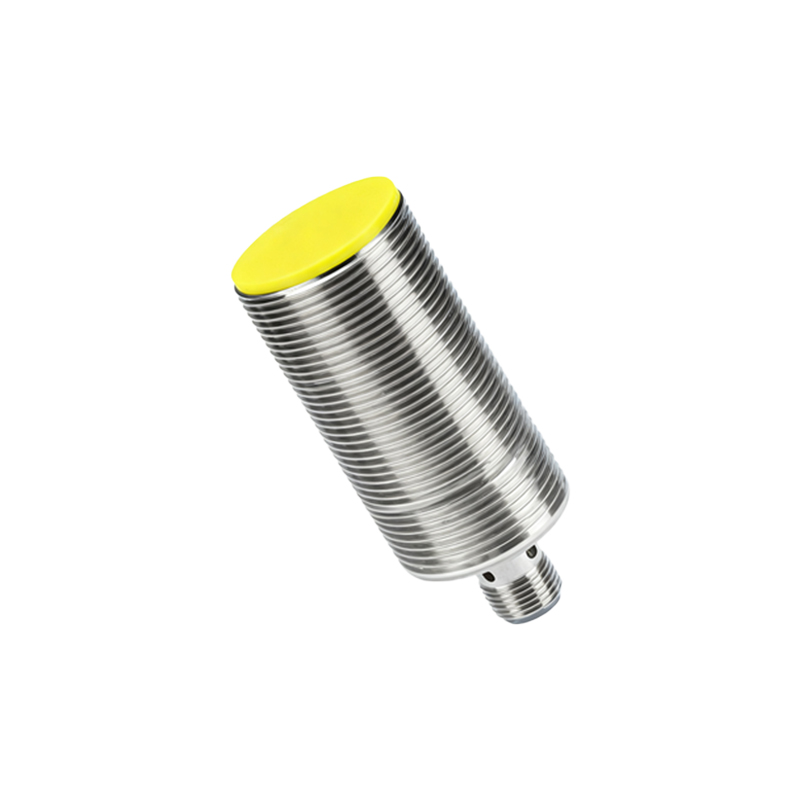
Ultimately, Double Up Electric proximity sensors represent a blend of proven technology and practical engineering. They provide a dependable, cost-effective solution for object detection, forming the invisible backbone of modern automated processes. By enabling precise, non-contact sensing, they contribute significantly to increased productivity, enhanced safety, and the seamless operation of complex machinery. For system integrators and maintenance engineers, understanding the capabilities and correct application of these sensors is a step toward building more resilient and intelligent automated systems.