In the intricate dance of modern automation and machinery, proximity sensors are the silent, unseen sentinels. They are the devices that detect the presence or absence of an object without physical contact, using magnetic fields, light, or sound. From the assembly line of a car factory to the automatic doors at a supermarket, their reliable operation is often assumed. But what happens in the catastrophic, albeit rare, scenario when all proximity sensors in a system simultaneously fail? The consequences range from inconvenient to disastrous, and understanding the causes and preparing contingency plans is not just engineering diligence—it's a necessity for safety and continuity.
The root causes of a total proximity sensor failure are seldom a single point of failure. More often, it is a confluence of factors that overwhelm the system's redundancy. Environmental extremes are a primary suspect. An intense electromagnetic pulse (EMP), whether from a solar storm or a man-made source, can induce damaging currents in the sensitive electronics of multiple sensors. Similarly, a massive temperature spike in an industrial setting, perhaps from a fire or coolant failure, can push all sensors beyond their rated operating thresholds simultaneously. Contamination is another systemic threat. In environments like food processing or chemical plants, a sudden breach of conductive dust, metallic shavings, or corrosive liquid can coat or short-circuit every exposed sensor head in an area, rendering them blind.
Beyond the environment, the failure can originate in the system's common support infrastructure. A critical flaw in the centralized power supply or voltage regulator serving the sensor network can send a damaging surge or a complete blackout to all connected units. More insidiously, a software or firmware bug in the central control system could erroneously disable the sensor network or misinterpret all inputs as null signals. In networked smart factories, a sophisticated cyber-attack targeting the industrial control system could deliberately command all sensors to shut down or feed false data, creating chaos.
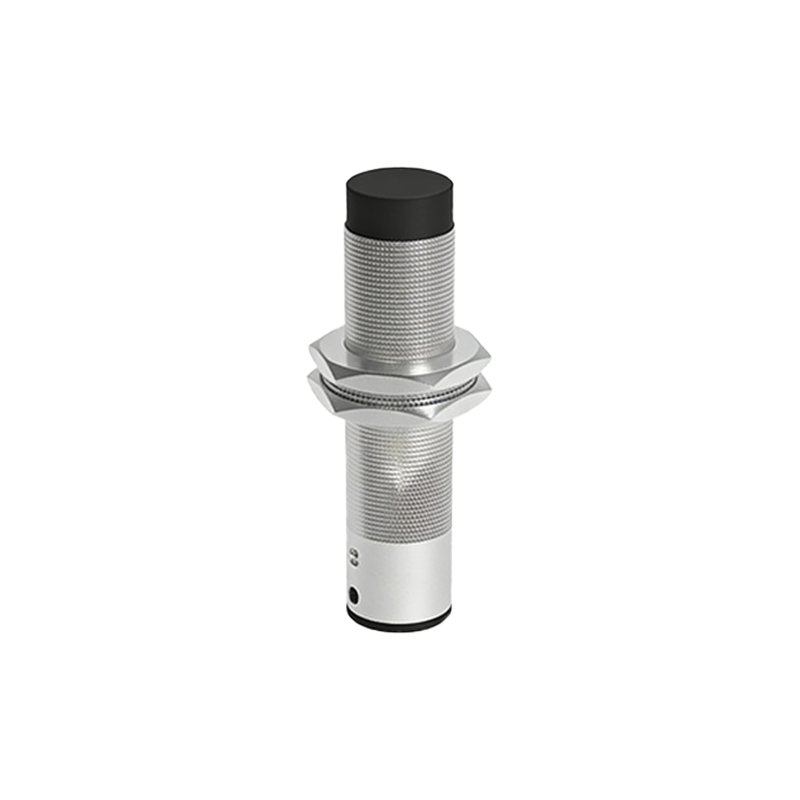
The immediate consequences are a rapid unraveling of automated processes. On a manufacturing line, robots may freeze in place, unsure if a part is present, or worse, continue moving and cause catastrophic collisions, damaging expensive tooling and product. Material handling systems, like conveyor belts and automated guided vehicles (AGVs), would grind to a halt, creating bottlenecks and logistical nightmares. In safety-critical applications, the results are dire. Machine guards that rely on light curtains to stop a press when a hand is detected would become inert, posing severe crush hazards. Automated doors in public spaces might lock open or closed, compromising security and accessibility.
The human element becomes critically stressed. Operators accustomed to a seamless automated process are suddenly thrust into a manual override situation, often without clear sightlines or direct control. The cognitive load is immense, requiring rapid diagnosis and intervention under pressure, which increases the risk of human error. In complex facilities like oil refineries or power plants, the loss of sensor data can blind operators to the state of the process, potentially leading to unsafe conditions if not managed within seconds or minutes.
Therefore, a robust contingency plan is not an optional add-on but a core component of system design. The first line of defense is layered redundancy. This means employing sensors of different technologies (e.g., inductive, capacitive, and ultrasonic) in critical locations, as they have different failure modes. A magnetic pulse might disable inductive sensors while leaving ultrasonic ones functional. Secondly, implementing rigorous predictive maintenance is key. Using vibration analysis, thermal imaging, and regular calibration checks can identify sensors degrading before they fail completely.
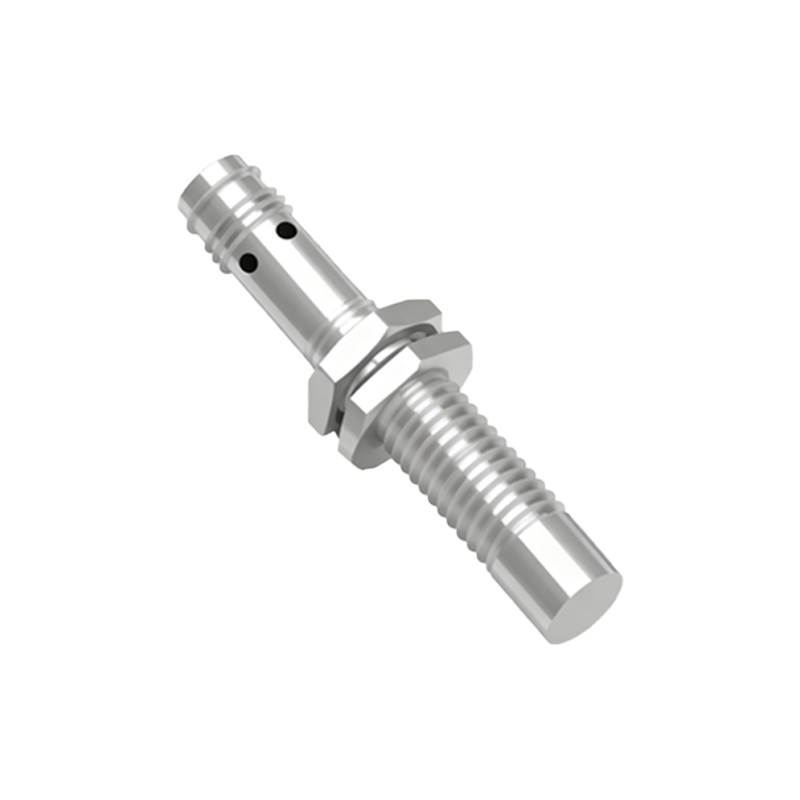
The control logic itself must have fail-safe states. When sensor communication is lost, machines should default to a predetermined safe state—such as stopping movement, engaging brakes, or reverting to a minimum-power idle mode. Furthermore, manual override capabilities must be intuitive, immediately accessible, and well-documented. Operators require regular training on fallback procedures through realistic simulation drills for total sensor failure scenarios.
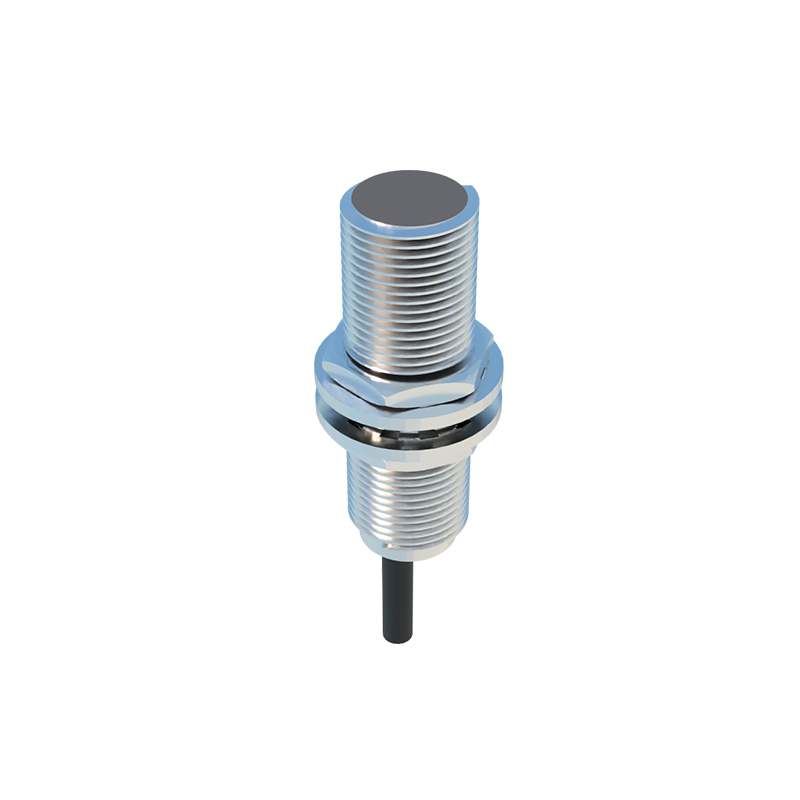
Finally, a comprehensive recovery protocol is essential. This includes having physical spares of critical sensor types in stock, clear isolation procedures to allow for safe replacement, and detailed diagnostic checklists to trace the failure back to its root cause, whether it's a blown fuse, a severed network cable, or corrupted controller software.
In conclusion, the total failure of proximity sensors is a low-probability, high-impact event that exposes the hidden dependencies of our automated world. It serves as a stark reminder that while technology advances, the principles of robust design—redundancy, diversity, fail-safe defaults, and human-centric contingency planning—remain timeless. By preparing for the day when the silent sentinels fall silent, we ensure that safety and control are never fully out of reach.