In the world of industrial automation and smart systems, photoelectric sensor switches stand as a cornerstone technology. These devices, often simply called photoelectric sensors, detect the presence, absence, or distance of an object using a light beam. Their operation is elegantly simple yet profoundly reliable, making them indispensable in countless applications, from factory assembly lines to everyday consumer electronics.
At its core, a photoelectric sensor consists of two main components: an emitter and a receiver. The emitter projects a beam of light—typically infrared, visible red, or laser—toward a target. The receiver, positioned to catch this light, monitors the beam's status. When an object interrupts or reflects this beam, the receiver detects the change in light intensity and triggers an electrical switch. This switch can then send a signal to a control system, such as a PLC (Programmable Logic Controller), to initiate an action like stopping a conveyor belt, counting items, or activating a safety mechanism.
There are three primary sensing modes that define how these sensors operate. The first is the through-beam mode, also known as the opposed mode. Here, the emitter and receiver are housed in separate units facing each other. The object to be detected passes between them, breaking the light beam. This mode offers the longest sensing range and high reliability, as it is less affected by the object's color, texture, or angle. It is commonly used in harsh industrial environments for precise detection tasks.
The second mode is the retro-reflective mode. In this setup, both the emitter and receiver are located in the same housing, and a reflector is placed opposite the sensor. The emitter's light beam travels to the reflector and bounces back to the receiver. An object passing between the sensor and reflector interrupts this return beam, triggering detection. This mode provides a good balance of range and ease of installation, as it requires wiring only on one side. However, it may be confused by highly reflective objects that mimic the reflector's function.
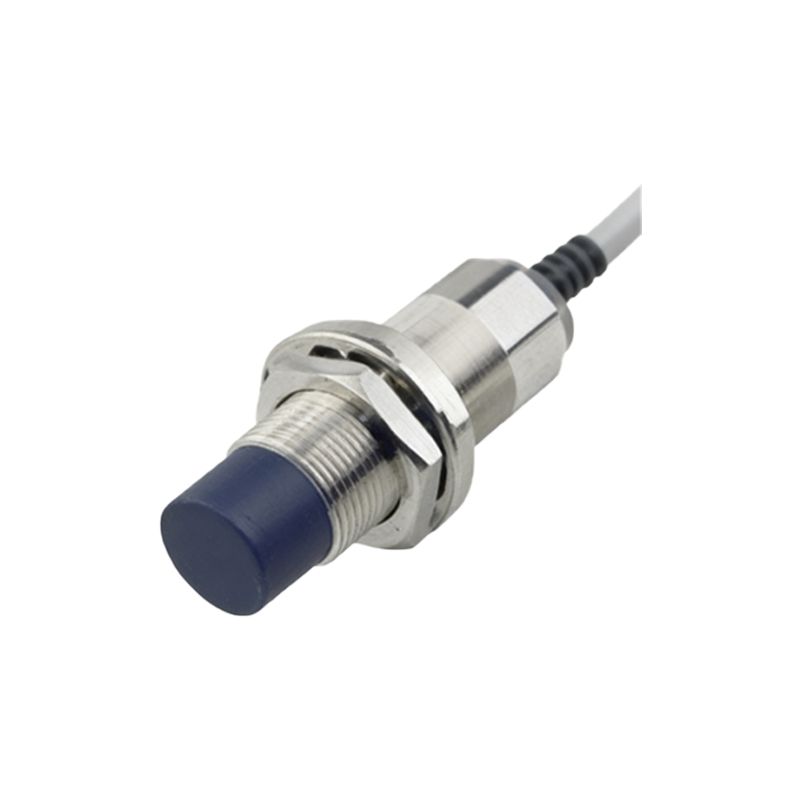
The third and most versatile mode is the diffuse reflective mode, often called proximity sensing. Here, the emitter and receiver are again in the same unit, but there is no separate reflector. Instead, the sensor detects light that bounces off the target object itself. The distance at which an object can be detected depends on its size, color, and surface reflectivity. Dark, matte objects absorb more light and are harder to detect than light, shiny ones. This mode is ideal for applications where space is limited or where installing a reflector is impractical, such as in packaging machinery or robotic guidance systems.
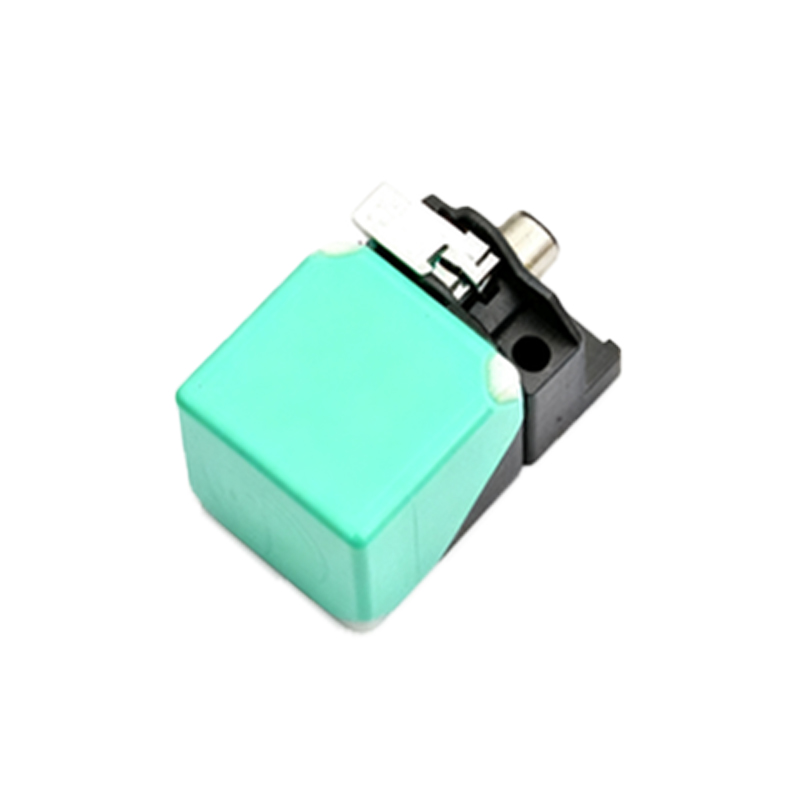
Beyond these basic types, advanced photoelectric sensors incorporate features like background suppression, which ignores objects beyond a set distance, and fiber optic versions for detecting tiny parts or operating in extreme temperatures. Some models even offer analog outputs for distance measurement or digital communication protocols like IO-Link for integration into Industry 4.0 networks.
The applications of photoelectric sensor switches are vast and varied. In manufacturing, they are used for object detection on conveyor belts, part positioning in assembly robots, and bottle counting in bottling plants. In the automotive industry, they ensure precise welding and painting by verifying component presence. Beyond factories, they enhance daily life—activating automatic doors in supermarkets, controlling paper feed in printers, and enabling touchless faucets in public restrooms for improved hygiene. Their non-contact nature means no physical wear, leading to long service life and minimal maintenance.
When selecting a photoelectric sensor, several factors must be considered. The sensing range should match the application's requirements, with through-beam sensors offering distances up to hundreds of meters and diffuse types typically limited to a few meters. The environment is crucial too; sensors may need protection against dust, water, or chemicals, often rated by IP (Ingress Protection) codes. Response time is vital for high-speed processes, with modern sensors capable of reactions in microseconds. Finally, the output type—whether NPN, PNP, or relay-based—must be compatible with the control system.
Installation and alignment are straightforward but require attention. For through-beam sensors, ensuring the emitter and receiver are directly aligned is key. Retro-reflective sensors need a clean reflector, while diffuse sensors should be tested with the actual target material under operating conditions. Regular cleaning of lenses and reflectors prevents false triggers from dust or debris.
In summary, photoelectric sensor switches are a testament to the power of light in automation. Their ability to provide accurate, non-contact detection across diverse environments has solidified their role as a fundamental tool in technology. As industries evolve toward greater efficiency and connectivity, these sensors will continue to adapt, offering smarter, more integrated solutions for the challenges of tomorrow. Whether in a sprawling plant or a simple home appliance, they work silently and reliably, bridging the gap between physical objects and digital control.