In the realm of industrial automation and machine safety, sensors act as the critical sensory organs, providing the essential data that drives control systems. Among the most versatile and widely used types are proximity sensors and photoelectric sensors. While their end goal—detecting the presence or absence of an object—is similar, their underlying principles of operation, capabilities, and ideal applications differ significantly. Understanding these differences is key to selecting the right sensor for a specific task, ensuring reliability, efficiency, and cost-effectiveness in any automated system.
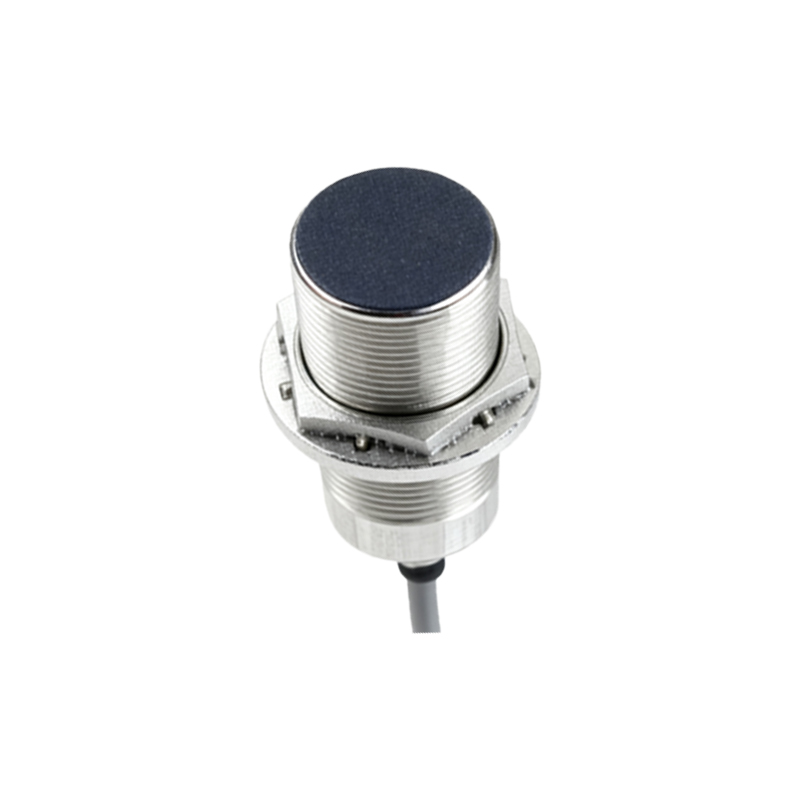
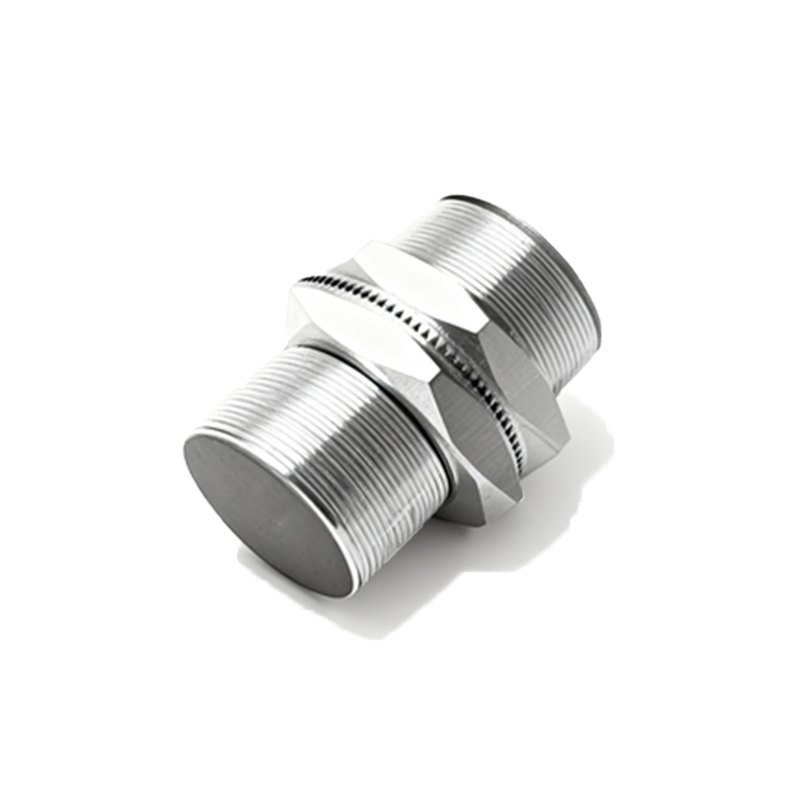
Proximity sensors are non-contact devices designed to detect the presence of nearby objects without any physical contact. They achieve this by emitting an electromagnetic field or a beam of electromagnetic radiation and then looking for changes in the field or return signal. The most common types are inductive and capacitive proximity sensors. Inductive proximity sensors are the workhorses of metal detection. They generate an oscillating electromagnetic field from a coil in their sensing face. When a metallic object enters this field, it induces eddy currents within the metal, which dampens the oscillation of the sensor's circuit. This damping effect is detected, triggering the sensor's output switch. These sensors are exceptionally robust, immune to environmental factors like dust, oil, and moisture, and are ideal for counting metal parts, determining position limits, or detecting the presence of a machine component.
Capacitive proximity sensors, on the other hand, can detect both metallic and non-metallic materials, including liquids, plastics, wood, and granules. They function by generating an electrostatic field. Any object that enters this field alters the capacitance of the sensor's circuit, triggering detection. This makes them perfect for applications like liquid level sensing in non-metallic tanks, detecting filled packages on a conveyor, or monitoring the presence of plastic or glass bottles. Their sensitivity can often be adjusted, which is useful but also makes them potentially susceptible to unwanted triggering by environmental changes like humidity.
Photoelectric sensors operate on a completely different principle: light. They utilize a light emitter (usually an LED producing visible red, infrared, or laser light) and a receiver. The sensor detects an object by interpreting changes in the light signal received. This category breaks down into three primary operating modes, each with distinct advantages. The through-beam (or opposed) mode features separate, facing emitter and receiver units. An object is detected when it breaks the light beam between them. This mode offers the longest sensing ranges and highest reliability, as it is less affected by object surface color, texture, or angle. It is commonly used for precise registration control, safety light curtains, and detecting small or transparent objects.
The retro-reflective mode combines the emitter and receiver in a single housing. It uses a reflector (like a prismatic tape) to bounce the light beam back to the receiver. Detection occurs when an object interrupts this reflected beam. This mode provides a good balance of range and ease of installation (only one sensor unit to wire and mount), making it popular for pallet detection, door control, and medium-range applications. Polarizing filters are often used to ignore shiny objects that might otherwise reflect light directly and cause a false "on" state.
Finally, the diffuse (or proximity) mode also houses the emitter and receiver together. It detects an object when the target itself reflects the emitted light back to the receiver. The sensing distance depends heavily on the object's size, color, and reflectivity. While it has the shortest range and is most susceptible to environmental interferences, its single-unit design and ability to detect objects without a separate reflector or receiver make it incredibly versatile for short-range applications like detecting objects on a conveyor, bottle cap presence, or robotic end-of-arm tooling.
Choosing between a proximity sensor and a photoelectric sensor hinges on the application's specific parameters. For robust, short-range detection of metals in harsh environments, an inductive proximity sensor is often the best and most economical choice. For non-metals or level sensing, a capacitive sensor is required. When longer ranges, detection of any material (including glass), or the need to sense through a transparent medium is necessary, a photoelectric sensor becomes the clear winner. Factors such as sensing distance, target material, environmental conditions (dust, fog, ambient light), required speed, and installation constraints must all be carefully evaluated.
In modern smart factories, both sensor types are evolving with integrated IO-Link communication, allowing for parameter setting, condition monitoring, and diagnostic data reporting directly to the control system. This digital transformation enhances predictive maintenance and system flexibility. Ultimately, proximity and photoelectric sensors are not competitors but complementary technologies in the automation toolkit. A deep understanding of their operational principles empowers engineers and technicians to deploy the most effective sensing solution, forming the reliable foundation upon which efficient, safe, and intelligent automation is built.