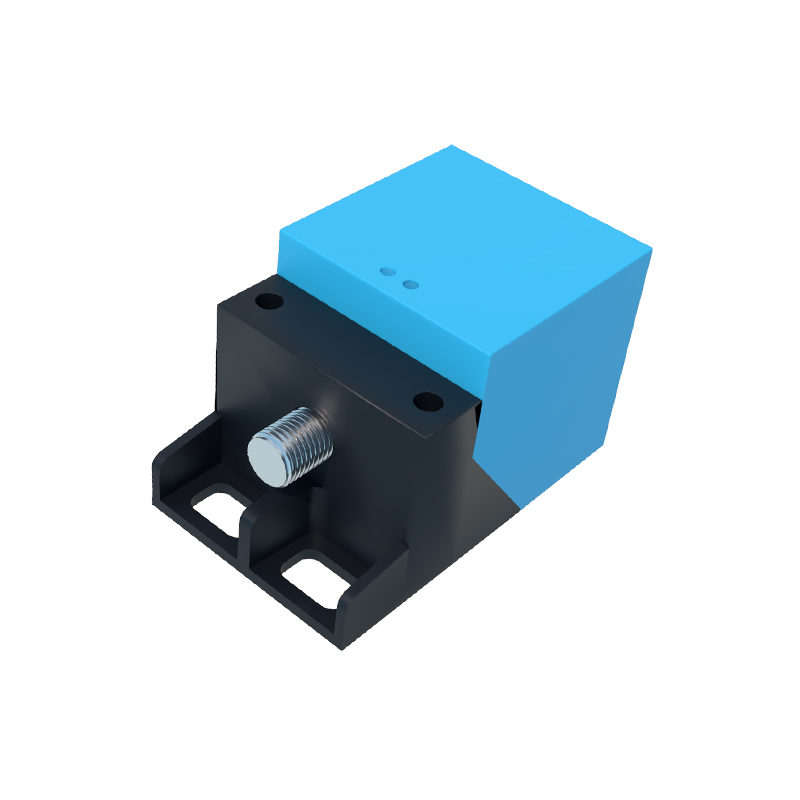
In the world of industrial automation, motion control, and precision engineering, accurately measuring rotational speed is a fundamental requirement. Among the various technologies available, the photoelectric speed sensor stands out for its non-contact operation, high accuracy, and reliability. This device plays a critical role in countless applications, from monitoring conveyor belts to ensuring the smooth operation of high-speed machinery.
At its core, a photoelectric speed sensor operates on a simple yet effective principle: the interruption of a light beam. The typical sensor consists of two main components: a light source, usually an infrared Light Emitting Diode (LED), and a photodetector, such as a phototransistor or photodiode. These are housed in a single unit. A rotating element, often a disc with slots or holes (called an encoder disc or chopper wheel), is attached to the shaft whose speed needs to be measured. As the disc rotates, its slots alternately allow and block the light beam from reaching the photodetector. Each passage of a slot creates a pulse of light, which the photodetector converts into a corresponding electrical pulse. By counting the number of pulses over a specific time interval, the rotational speed in Revolutions Per Minute (RPM) can be precisely calculated.
The advantages of this technology are significant. Firstly, because it is a non-contact method, there is no physical wear on the sensor components from the rotating shaft, leading to exceptional longevity and minimal maintenance. Secondly, it offers very high resolution and accuracy, especially with discs that have a large number of slots. The response time is extremely fast, making it suitable for measuring very high speeds. Furthermore, photoelectric sensors are generally immune to magnetic fields, a distinct advantage over magnetic or inductive proximity sensors, allowing them to function reliably in electrically noisy environments.
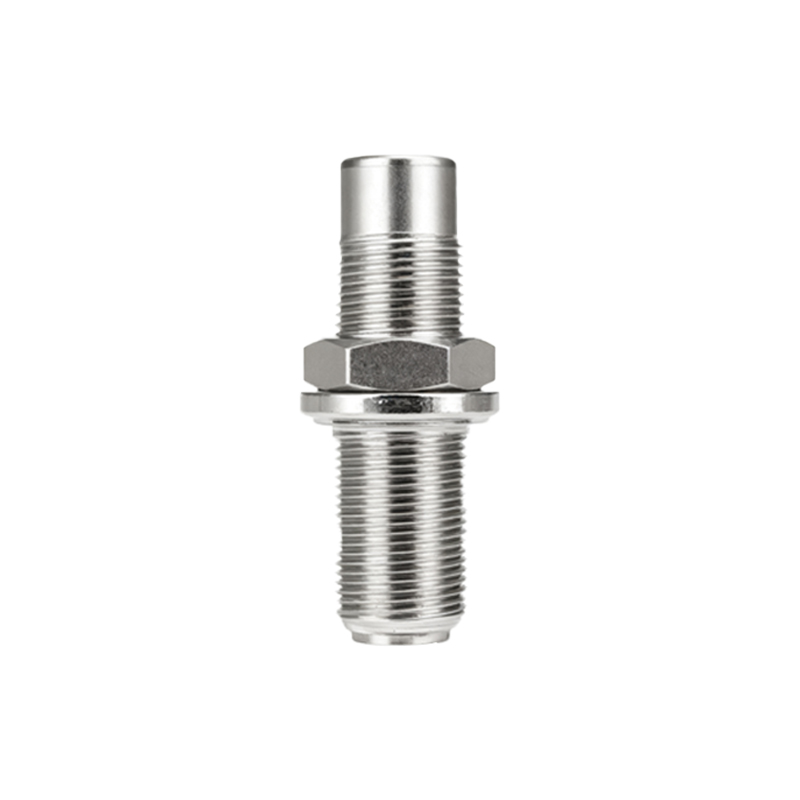
Photoelectric speed sensors are ubiquitous across industries. In the automotive sector, they are used for anti-lock braking systems (ABS), measuring wheel speed, and in engine control units for crankshaft and camshaft position sensing. On factory floors, they monitor the speed of motors, conveyors, rollers, and fans, providing essential data for process control and preventive maintenance. They are integral to robotics for precise joint positioning and in the aerospace industry for monitoring turbine speeds. Even in consumer electronics, such as computer cooling fans and printers, miniature photoelectric sensors ensure optimal performance.
When selecting a photoelectric speed sensor for an application, several key factors must be considered. The maximum and minimum speed range of the target shaft must fall within the sensor's specified capabilities. The resolution, determined by the number of pulses per revolution (PPR), dictates the precision of the measurement; a higher PPR provides finer speed control. The output signal type is crucial—common outputs include NPN/PNP transistor (for simple on/off to a PLC), voltage pulses, or even analog voltage proportional to speed. The sensing distance, or gap required between the sensor and the encoder disc, must be compatible with the mechanical setup. Environmental conditions like temperature extremes, dust, moisture, and ambient light can affect performance, so choosing a sensor with an appropriate Ingress Protection (IP) rating and a modulated light source (which helps reject ambient light interference) is often necessary. Finally, the physical size and mounting style must suit the available space.
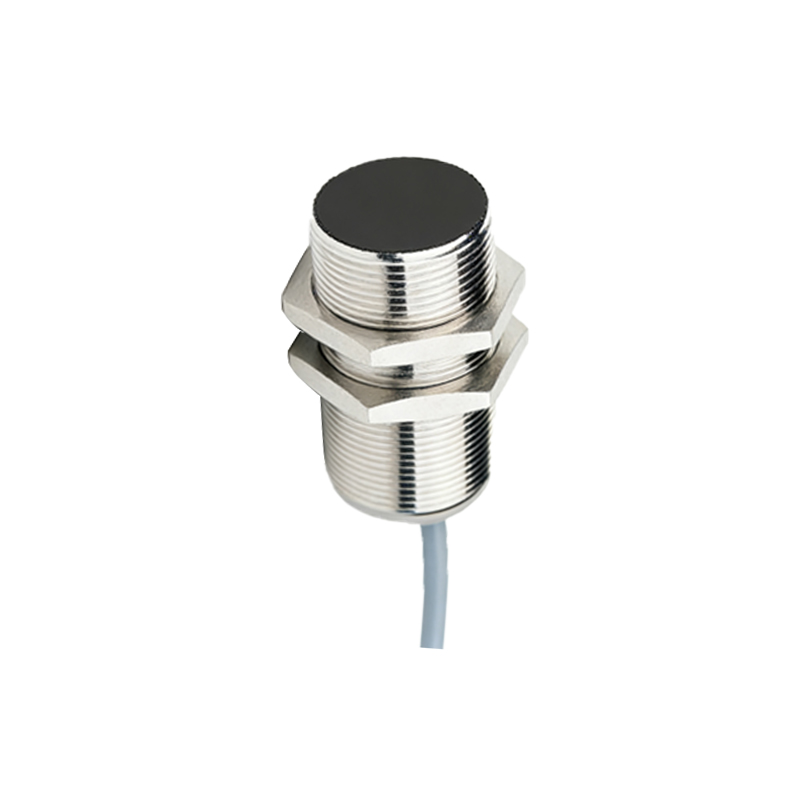
Installation and alignment are critical for reliable operation. The sensor must be securely mounted to prevent vibration from altering the gap. The encoder disc must be precisely aligned so that the slots pass cleanly through the light beam. Any misalignment can cause inconsistent or missing pulses, leading to inaccurate readings. Regular maintenance, though minimal, involves keeping the lens of the sensor and the surface of the encoder disc clean from oil, dirt, or debris that could obstruct the light path.
Compared to other speed sensing technologies like Hall-effect (magnetic) sensors or tachogenerators, photoelectric sensors offer superior resolution and accuracy at high speeds. However, they can be more susceptible to contamination in extremely dirty environments where magnetic sensors might be more robust. Tachogenerators provide an analog voltage output directly proportional to speed but are contact-based and have moving parts that can wear out.
In conclusion, the photoelectric speed sensor is a versatile, accurate, and reliable workhorse in motion sensing. Its non-contact principle ensures durability, while its adaptability makes it a solution for speed measurement challenges from heavy industry to delicate instrumentation. By understanding its operating principle, advantages, and key selection criteria, engineers and technicians can effectively implement this technology to enhance system control, efficiency, and safety.