In the intricate world of industrial automation, quality control, and security, metal detection sensors stand as silent, vigilant guardians. These sophisticated devices are engineered to identify the presence or absence of metallic objects within a defined range or area, triggering critical actions without physical contact. Their operation hinges on fundamental electromagnetic principles, primarily electromagnetic induction. A typical sensor generates a high-frequency oscillating magnetic field from its coil. When a metallic object enters this field, it disturbs the field lines, inducing small eddy currents within the metal. These currents, in turn, generate their own opposing magnetic field, which is detected by the sensor's receiver coil. This change in the electromagnetic signature—a shift in frequency, amplitude, or phase—is processed by the sensor's electronics to produce a clear output signal, often used to activate an alarm, reject a product, or halt a conveyor.
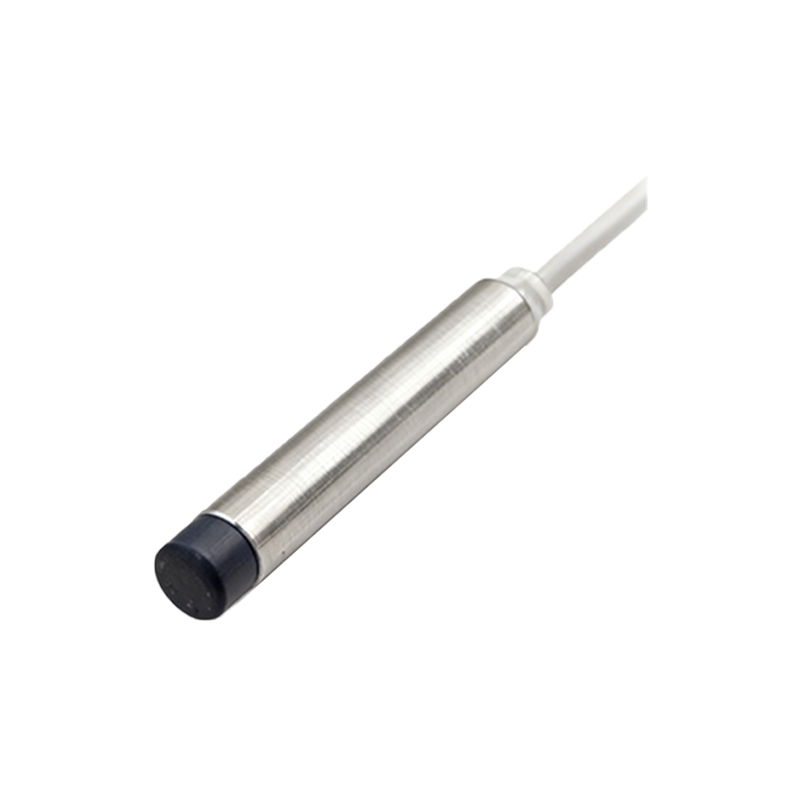
The diversity of metal detection sensors is a direct response to varied application demands. Inductive proximity sensors are among the most common, prized for their reliability in detecting ferrous metals (like iron and steel) at short ranges, making them ideal for position sensing in machinery. Capacitive sensors, while also responsive to metals, function by detecting changes in capacitance and can be influenced by non-metallic materials, requiring careful calibration. For more discerning tasks, such as distinguishing between different metal types or detecting non-ferrous metals like aluminum, copper, or brass, sensors utilizing the "balanced coil" or "transmit-receive" principle are employed. These often form the core of industrial metal detectors used in food processing or pharmaceuticals to find tramp metal contaminants. Furthermore, more advanced technologies like pulse induction are favored in high-sensitivity applications, including security screening and archaeological exploration, due to their ability to ignore interference from moist or mineralized soils.
The practical applications of these sensors are vast and critical. In the food and beverage industry, conveyor-based metal detection systems are a non-negotiable part of Hazard Analysis and Critical Control Points (HACCP) plans, scanning products for minute metal fragments from processing equipment to ensure consumer safety. The pharmaceutical sector relies on them with equal rigor to maintain product purity. In manufacturing and packaging, inductive sensors provide precise feedback on the position of metal components, enabling robotic arms to pick and place items accurately or confirming that a metal cap is properly seated on a bottle. Beyond production, they are integral to recycling facilities for sorting scrap metal, in the automotive industry for assembly verification, and in security for screening personnel and baggage.
Selecting the appropriate metal detection sensor requires careful consideration of several factors. The operating environment is paramount; sensors for washdown areas in food plants need high ingress protection (IP) ratings, while those in foundries must withstand extreme temperatures. The type, size, and orientation of the target metal significantly affect detection range and sensitivity. The required sensing distance, response speed, and output type (e.g., digital PNP/NPN or analog) must align with the control system. Finally, potential interferents—such as other nearby metals, electrical noise, or vibrating machinery—must be accounted for to prevent false triggers. Proper installation and regular testing, often with standardized test pieces, are essential to maintain sensor efficacy over time.
Looking ahead, the evolution of metal detection sensors is intertwined with broader Industry 4.0 trends. Modern sensors are increasingly "smart," featuring integrated IO-Link communication that allows for remote parameter adjustment, continuous condition monitoring, and predictive maintenance data streaming. Enhanced signal processing algorithms are improving immunity to noise and enabling more precise discrimination between problematic metal contaminants and harmless product signals (known as "product effect"). As industries strive for zero-defect production and enhanced traceability, the humble metal detection sensor continues to evolve, becoming more intelligent, connected, and indispensable in safeguarding quality, safety, and efficiency across the global industrial landscape.