Proximity sensors are essential components in modern automation, consumer electronics, and industrial systems. They detect the presence or absence of objects without physical contact, relying on electromagnetic fields, infrared light, or ultrasonic waves. The manufacturing of these devices involves a precise, multi-stage process that ensures reliability, accuracy, and consistency. This guide outlines the key steps in producing a typical inductive or capacitive proximity sensor, highlighting the engineering and quality control measures involved.
The process begins with design and prototyping. Engineers define the sensor's specifications, including detection range, response time, operating voltage, and environmental durability. Using CAD software, they create detailed schematics for the internal circuitry, coil windings (for inductive types), and housing. A prototype is then built and tested under various conditions to validate performance. This phase often involves selecting materials: a ferrite core for the coil, copper wire, epoxy resin for encapsulation, and a rugged plastic or metal casing resistant to moisture, dust, and temperature extremes.
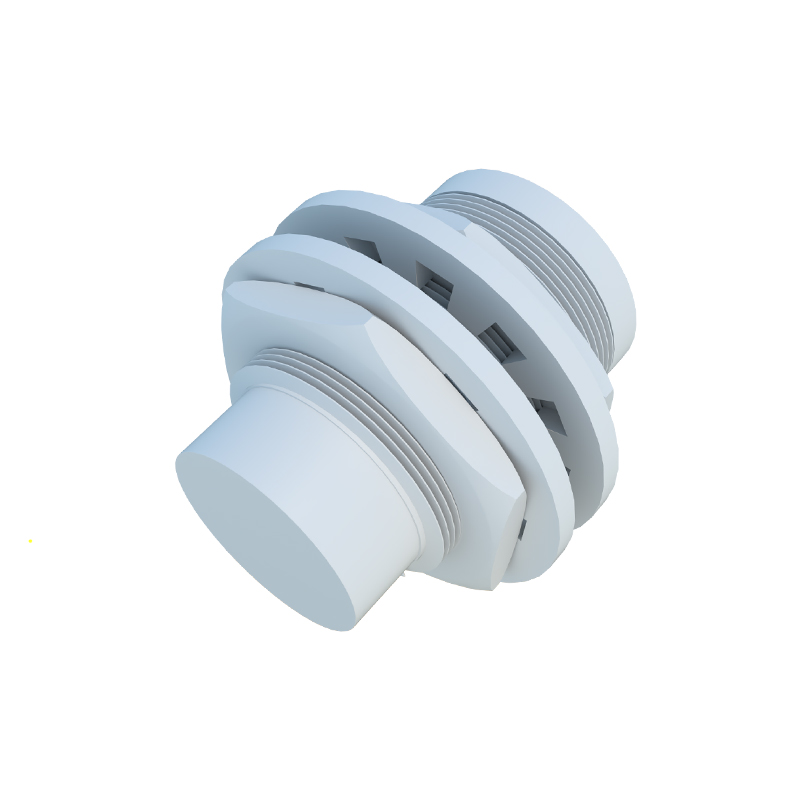
Once the design is finalized, component fabrication starts. For inductive proximity sensors, a coil is wound around a ferrite core. Automated winding machines precisely layer insulated copper wire to form the electromagnetic coil, which generates the detection field. The coil is then soldered to a printed circuit board (PCB) that hosts other electronic components like oscillators, amplifiers, and output transistors. Surface-mount technology (SMT) is commonly used to populate the PCB with microchips, resistors, and capacitors, ensuring compact size and high reliability. The PCB undergoes automated optical inspection to check for soldering defects or misalignments.
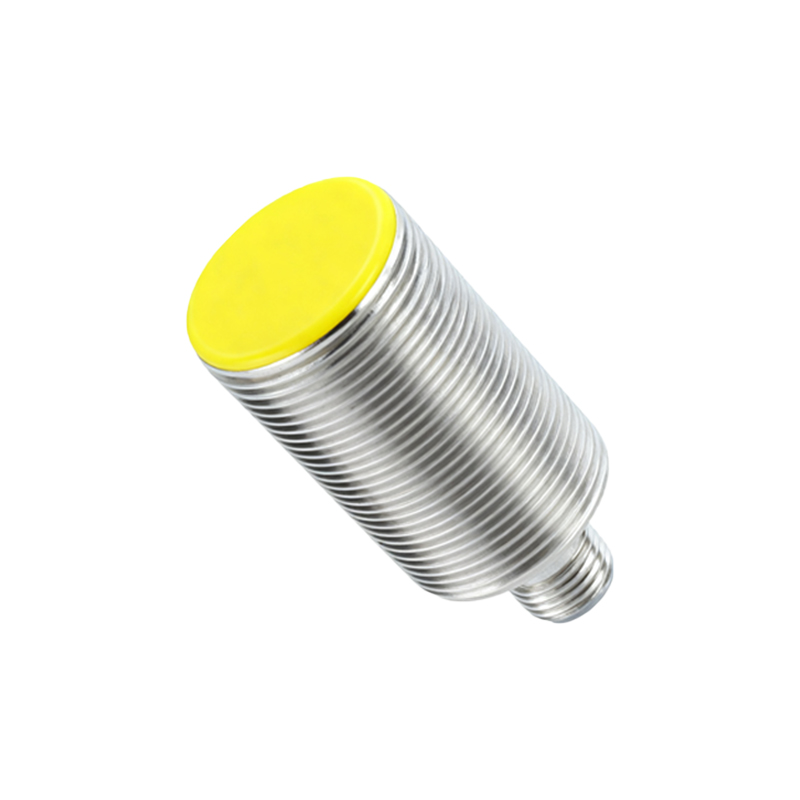
After assembly, the sensor enters the encapsulation stage. The coil and PCB are placed into a mold, and liquid epoxy resin is injected to encapsulate the electronics. This step protects the components from vibration, corrosion, and electrical interference. The epoxy is cured in a controlled oven, forming a solid, insulated block. For capacitive sensors, which detect objects based on changes in capacitance, a similar process is followed, but with electrode plates instead of a coil. The encapsulation must be uniform to maintain consistent sensing characteristics.
Next, the sensor is housed in its external casing. The casing, typically made from ABS plastic, stainless steel, or nickel-plated brass, is manufactured via injection molding or machining. It provides mechanical strength and environmental sealing. The encapsulated unit is inserted into the casing, and connections are made for power supply and output signals (e.g., NPN/PNP outputs). O-rings or gaskets are added for waterproofing, especially in sensors rated IP67 or higher. The assembly is then sealed using ultrasonic welding or adhesive, ensuring no gaps remain.
Calibration and testing are critical phases. Each sensor is connected to a test bench that simulates real-world conditions. Technicians verify parameters such as switching distance, hysteresis, and response frequency. For example, a standard inductive sensor might be tested with a metal target moving at defined speeds to ensure it triggers accurately within its specified range. Environmental tests include exposure to high/low temperatures, humidity, and electrical noise. Any unit failing to meet tolerances is rejected or reworked. Quality control documentation tracks every sensor's performance data.
Finally, the sensors are labeled with model numbers, certifications (e.g., CE, RoHS), and branding. They undergo final inspection before packaging. Automated systems often handle sorting and packing to prevent damage during shipping. The entire manufacturing process emphasizes precision, from initial design to final output, ensuring that proximity sensors perform reliably in applications ranging from assembly lines to smartphone screens.
Advancements in manufacturing, such as laser trimming for calibration and AI-driven inspection, continue to enhance efficiency. However, the core steps—design, fabrication, encapsulation, housing, testing, and packaging—remain fundamental to producing high-quality proximity sensors that meet industry standards and user expectations.