In the realm of industrial automation and smart machinery, the integration of proximity sensor motors represents a significant leap forward in operational efficiency, precision, and safety. These systems combine the reliable motion control of electric motors with the non-contact detection capabilities of proximity sensors, creating a synergistic solution for countless applications. Unlike traditional limit switches or mechanical contacts, proximity sensor motors enable machines to "sense" their environment without physical touch, leading to reduced wear, higher reliability, and more sophisticated control logic.
A proximity sensor, in this context, is a device that detects the presence or absence of an object within a specific range without any physical contact. Common types include inductive sensors (for detecting metals), capacitive sensors (for detecting both metals and non-metals), and photoelectric sensors (using light beams). When integrated directly with a motor or its control system, these sensors provide real-time feedback. This feedback is crucial for initiating, halting, or modifying the motor's operation based on the position or presence of a target object. For instance, in a conveyor system, a motor equipped with a proximity sensor can automatically start when a package approaches and stop precisely when the package reaches the designated loading zone, ensuring smooth material handling.
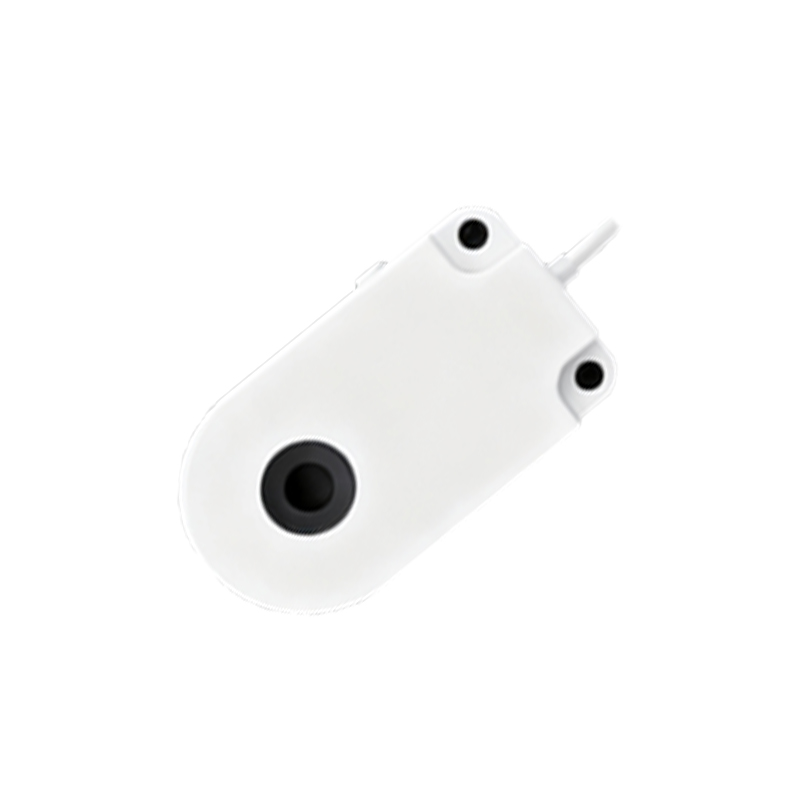
The core advantage of this technology lies in its non-contact nature. Mechanical components subject to constant physical impact inevitably suffer from fatigue and failure. Proximity sensors eliminate this point of failure for detection tasks. Motors controlled by such sensors experience less abrupt mechanical stress, as starts and stops can be programmed to be more gradual based on sensor input, thereby extending the lifespan of both the motor and the driven equipment. This translates directly into lower maintenance costs and reduced downtime.
Precision is another hallmark. In automated assembly lines, robotic arms, or CNC machines, the exact positioning of components is paramount. A motor system integrated with high-resolution proximity sensors can achieve positional accuracy within micrometers. The sensor provides continuous feedback to the motor's controller (often a programmable logic controller or a dedicated drive), allowing for closed-loop control that constantly corrects for any deviation. This is essential in applications like precision welding, semiconductor manufacturing, or pharmaceutical packaging, where a minute error can lead to product defects.
Safety enhancements cannot be overstated. In collaborative robot (cobot) applications or areas where human workers interact with machinery, proximity sensors act as a primary safety layer. If a sensor detects an unexpected intrusion into a hazardous zone, it can send an immediate signal to cut power to the motor or trigger an emergency stop, preventing potential accidents. This proactive safety approach is far superior to reactive measures and is a key component in modern safety standards for industrial equipment.
The implementation of proximity sensor motors spans diverse industries. In automotive manufacturing, they control robotic painters and welders, ensuring consistent quality. In food and beverage processing, capacitive sensors detect liquid levels in tanks, controlling pump motors accordingly. In automated warehousing, they guide motors in sorting and retrieval systems, optimizing logistics. Even in consumer electronics, small vibration motors in phones can be controlled by proximity sensors to turn off during calls.
Choosing the right combination involves several considerations. The sensing range, response time, environmental factors (like temperature, dust, or moisture), and the material of the target object all influence sensor selection. The motor type—whether it's a servo motor for high dynamic response, a stepper motor for precise indexing, or a standard AC/DC motor—must be compatible with the sensor's output signal and the overall control architecture. Modern systems often use sensors with digital IO-Link interfaces, providing not just switch signals but also detailed diagnostic data, enabling predictive maintenance.
Looking ahead, the convergence of proximity sensor motors with Industrial Internet of Things (IIoT) platforms is setting the stage for even smarter factories. Sensor data from thousands of motors can be aggregated and analyzed to optimize entire production processes, predict failures before they occur, and adapt operations in real-time. The humble proximity sensor, once a simple switch, has become an intelligent node in a networked motor system, driving the future of automation.
In conclusion, the fusion of proximity sensing technology with electric motor systems is a cornerstone of modern industrial automation. It delivers a powerful combination of reliability, precision, and safety that mechanical alternatives cannot match. As technology advances towards greater connectivity and intelligence, proximity sensor motors will continue to be pivotal in building more efficient, adaptable, and safer automated environments across all sectors of manufacturing and beyond.