In the world of industrial automation and smart devices, the ability to detect the presence or absence of an object without physical contact is fundamental. Among the various technologies enabling this capability, circular proximity sensors stand out for their reliability, versatility, and widespread use. These sensors, characterized by their cylindrical housing, are workhorses in countless applications, from factory floors to consumer electronics.
At their core, circular proximity sensors operate on the principle of generating an electromagnetic field or beam from their front face. When a target object enters this field, it causes a change in the sensor's internal oscillation or signal. This change is detected by the sensor's circuitry, which then triggers a solid-state output switch. The key advantage is the complete lack of mechanical contact, leading to virtually wear-free operation, high switching frequencies, and resilience in harsh environments filled with dust, oil, or vibrations.
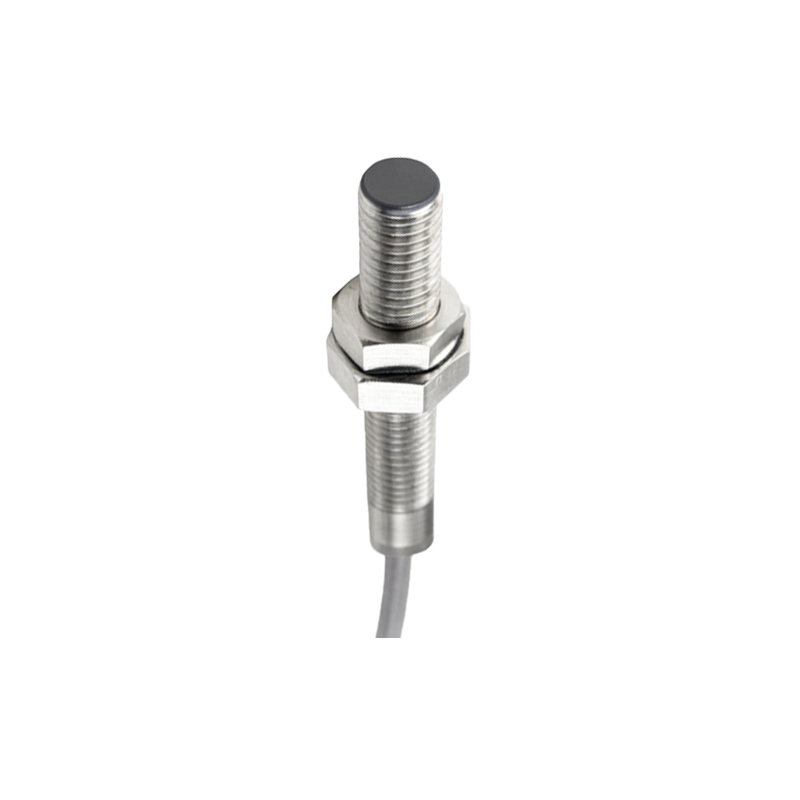
The most common types are inductive and capacitive sensors, both frequently housed in circular metallic or polymer barrels. Inductive proximity sensors are the stalwarts for detecting metallic objects. They generate an oscillating electromagnetic field. A ferrous or non-ferrous metal target entering this field induces eddy currents, which dampen the oscillation. The sensor detects this damping and sends a signal. They are ideal for position sensing of machine parts, counting metal components, or as end-of-travel limit switches in automated systems.
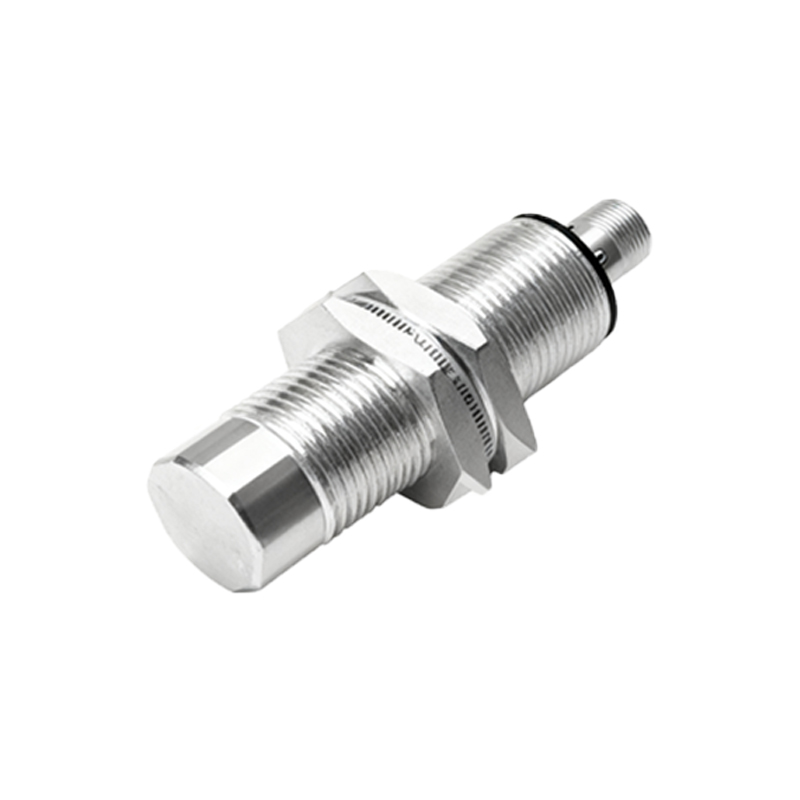
Capacitive proximity sensors, on the other hand, can detect both metallic and non-metallic materials—liquids, plastics, wood, or granules. They function by generating an electrostatic field. Any object with a dielectric constant different from air will alter the capacitance of the sensor's field, triggering the output. This makes them perfect for level detection in tanks (liquid or powder), material handling, and detecting filled containers on a conveyor belt, regardless of the packaging material.
When selecting a circular proximity sensor for an application, several critical parameters must be considered. The sensing distance, or nominal range, is paramount. It is defined for a standard target and can be reduced for non-standard materials or sizes. The sensor's diameter often correlates with its sensing range; larger barrels typically offer longer ranges. The mounting style is another crucial factor. Flush-mountable sensors can be installed embedded in a metal bracket without loss of range, while non-flush sensors require free space around their sensing face for proper field distribution but offer longer ranges for their size.
Environmental ratings are non-negotiable. The Ingress Protection (IP) rating, such as IP67 or IP69K, indicates resistance to dust and water, ensuring reliable operation in washdown areas or outdoors. Temperature range specifications ensure the sensor performs correctly in cold storage or near hot machinery. The output type must also match the control system—typically PNP (sourcing) or NPN (sinking) transistor outputs for connection to Programmable Logic Controllers (PLCs).
The applications are vast and varied. In automotive manufacturing, they verify the presence of pistons or gears. In packaging lines, they confirm that bottles are upright and capped. In modern smartphones, a miniature circular proximity sensor detects when the phone is held to the ear, turning off the display to save power and prevent accidental touch inputs. In the food and beverage industry, stainless-steel housed sensors withstand frequent cleaning with caustic solutions.
Installation and wiring require attention to detail. Ensuring the correct voltage (commonly 10-30V DC) and polarity is essential. Users must account for mutual interference when mounting multiple sensors closely; maintaining a minimum distance between them, as specified in the datasheet, prevents them from affecting each other's fields. For sensing small objects, the target size should be at least equal to the sensor's sensing face diameter for reliable detection.
Looking ahead, the evolution of circular proximity sensors continues. Trends include miniaturization for tighter spaces, increased sensing ranges, and the integration of IO-Link communication. IO-Link transforms a simple sensor into a smart device, enabling parameter setting, condition monitoring, and detailed diagnostic data delivery to the control system, paving the way for predictive maintenance and Industry 4.0 applications.
In conclusion, the unassuming circular proximity sensor is a foundational component of modern automation. Its non-contact sensing principle provides a robust, maintenance-free solution for myriad detection tasks. By carefully considering the target material, required range, environmental conditions, and electrical interface, engineers can select the optimal sensor to enhance system reliability, efficiency, and intelligence. Their continued development ensures they will remain indispensable in the automated and connected industrial landscape of the future.