Laser proximity sensors are critical components in modern automation and industrial systems, offering precise non-contact detection. Understanding their internal structure is essential for selecting the right sensor and ensuring optimal performance. At its core, a typical laser proximity sensor consists of several key structural elements working in harmony.
The primary component is the laser diode, which serves as the light source. This diode emits a focused, coherent beam of light, usually in the visible red spectrum or infrared, with a specific wavelength such as 650nm or 850nm. The laser diode is housed within a protective casing that includes collimating optics. These optics, often a simple lens, shape the emitted light into a narrow, parallel beam, which is crucial for achieving high accuracy and long sensing ranges. The quality of this laser source directly influences the sensor's precision and stability.
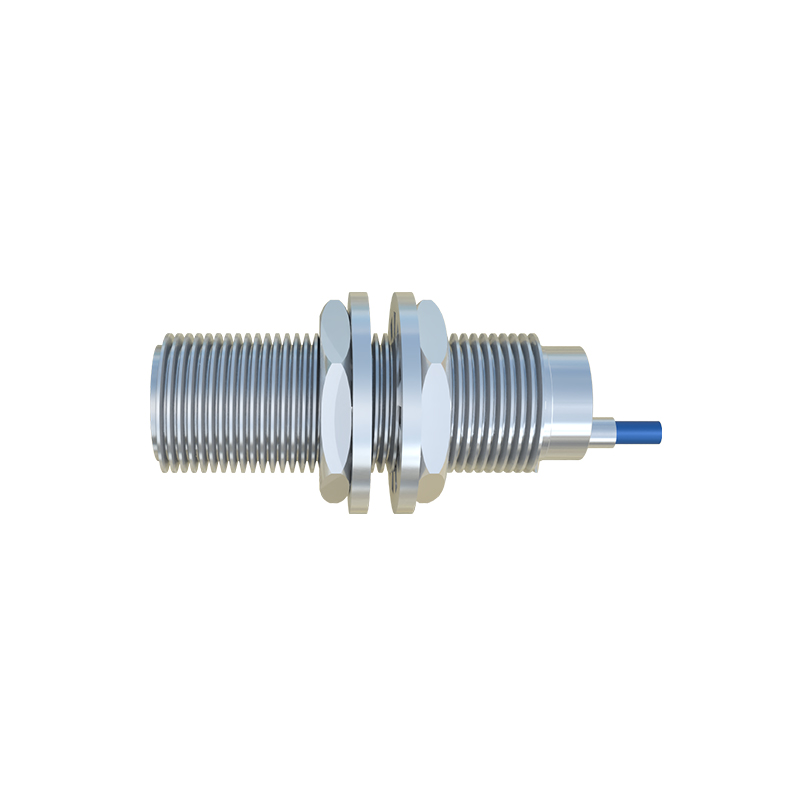
Adjacent to the emission unit is the receiver section. This part contains a photodetector, typically a photodiode or a position-sensitive device (PSD). Its function is to capture the light signal that returns from the target object. For diffuse reflection sensors, this is the light scattered back from the object's surface. In through-beam models, the receiver is a separate unit that detects the beam directly from the emitter. The receiver optics, including lenses and sometimes filters, gather and focus the returning light onto the active area of the photodetector. Optical filters are particularly important as they block ambient light, such as factory lighting, to prevent interference and enhance signal integrity.
The heart of the sensor is the signal processing circuitry. This electronic board is directly connected to the photodetector. It converts the tiny photocurrent generated by the detector into a stable, usable electrical signal. This process involves amplification of the weak signal and sophisticated filtering to distinguish the actual laser reflection from electrical noise and optical background noise. Advanced sensors incorporate microprocessors that digitally process this signal, enabling features like background suppression, precise teach-in programming for setting sensing windows, and output stability control.
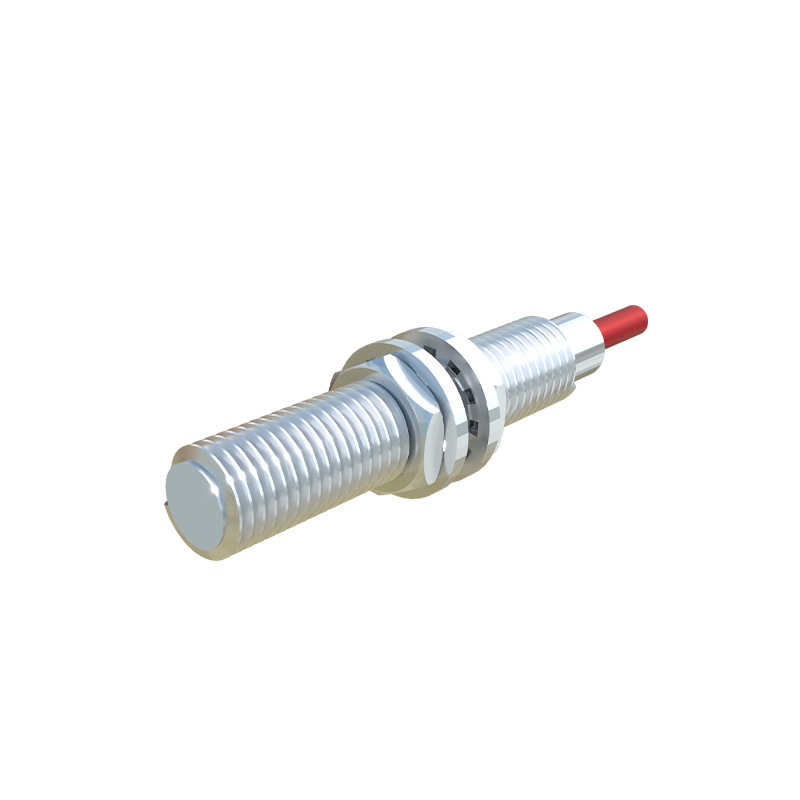
The physical housing integrates all these components. It is typically made from robust materials like nickel-plated brass, stainless steel, or industrial-grade plastics to provide resistance against dust, moisture, and mechanical impact, often meeting IP67 or IP69K ratings. The housing design ensures precise alignment between the emitter and receiver optics, which is vital for consistent operation. It also includes mounting threads (e.g., M8, M12, M18) for easy installation and connection ports for the electrical cable or connector.
A critical structural aspect is the optical path design. In a standard diffuse reflection sensor, the emitted laser beam and the path for the returning light are arranged at a specific convergent angle within the same housing. This triangulation principle allows the sensor to determine distance based on the position where the reflected light hits the PSD. The fixed baseline distance between the emission point and the reception point is a key structural parameter defining the sensor's measuring range and characteristics.
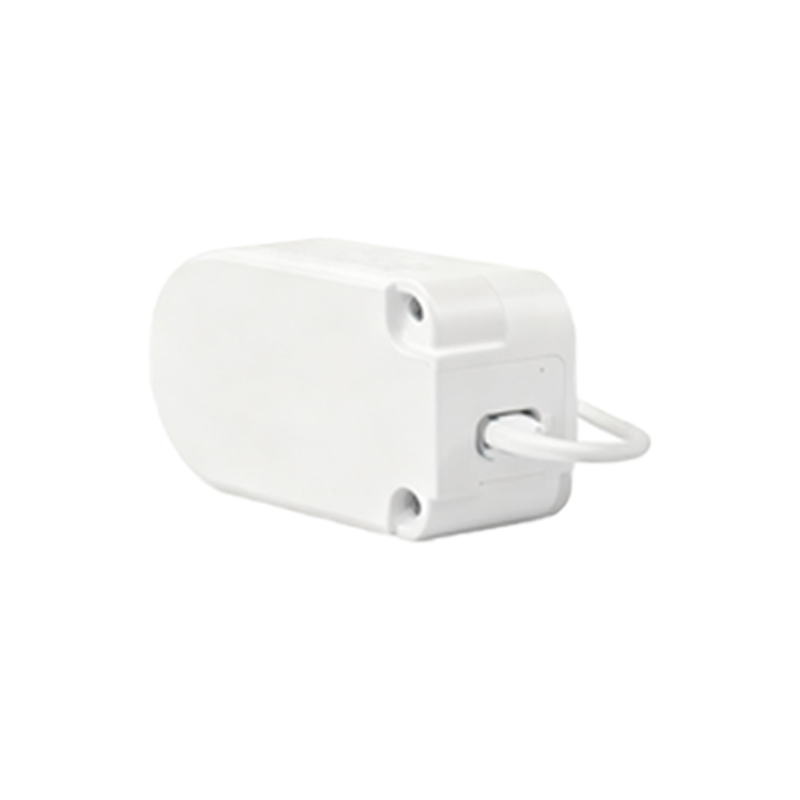
Furthermore, the structure includes output stages, which are solid-state switches (PNP/NPN transistors) or analog output circuits (0-10V, 4-20mA) wired to the processing board. These are responsible for sending the detection signal to a PLC or controller. A status indicator LED is also structurally integrated, providing visual feedback on power and output state.
The internal arrangement is designed for thermal stability. Components are placed to minimize heat transfer from the laser diode or processing circuits to the optical elements, as temperature shifts can cause wavelength drift or lens expansion, affecting accuracy. Some high-end sensors include temperature compensation circuits within their structure to counteract these effects.
In summary, the structure of a laser proximity sensor is a sophisticated integration of optoelectronics, precision mechanics, and digital processing. From the laser diode and collimating lens to the photodetector and noise-filtering circuitry, each component is meticulously engineered and assembled within a rugged housing. This robust and precise structure enables reliable operation in demanding environments, providing the accuracy and speed necessary for applications ranging from object detection on conveyor belts and robotic positioning to thickness measurement and edge guidance in various industries. Proper understanding of this structure aids in maintenance, troubleshooting, and leveraging the full capabilities of these versatile sensing devices.