In the realm of interactive technology, the ability to detect and interpret human presence and motion without physical contact has become a cornerstone of modern design. At the heart of this capability lies the proximity gesture sensor module, a compact yet powerful component that is revolutionizing user interfaces across countless devices. This guide delves into the workings, applications, and key considerations of these innovative sensors.
Fundamentally, a proximity gesture sensor module is an integrated electronic device designed to detect the presence, distance, and sometimes the specific motion patterns of an object—most often a human hand—within its field of view. Unlike simple touch sensors, it operates over a short to medium range, typically from a few centimeters up to around 20 centimeters, enabling truly touchless interaction. The core technology behind most modern modules is infrared (IR) sensing. The module contains an IR emitter, usually an LED, that projects an invisible beam of infrared light. One or more photodiodes or a specialized sensor IC then detect the light reflected back from an object in its path. By analyzing the intensity and sometimes the phase shift of the reflected signal, the module's onboard processor can calculate the object's distance.
More advanced modules go beyond simple proximity detection to interpret gestures. By using an array of IR sensors or a single sensor with sophisticated pattern recognition algorithms, these modules can distinguish between a hand moving left, right, up, down, or in a wave pattern. This data is then communicated to the main system's microcontroller via standard digital interfaces like I2C or UART, providing a simple, high-level command such as "swipe right detected."
The applications for proximity gesture sensor modules are vast and growing. In consumer electronics, they are ubiquitous in smartphones, where they disable the touchscreen during a call to prevent accidental cheek-presses, and in smart speakers, where a hand wave can pause music or skip a track. In the automotive sector, they enable touchless control of infotainment systems and overhead lights, enhancing safety by reducing driver distraction. Home automation benefits greatly, with gesture-controlled lights, fans, and appliances offering both convenience and hygiene, a factor that gained significant importance in recent years. Furthermore, they are found in interactive kiosks, vending machines, and industrial control panels, where robust, contact-free operation is essential for durability and public health.
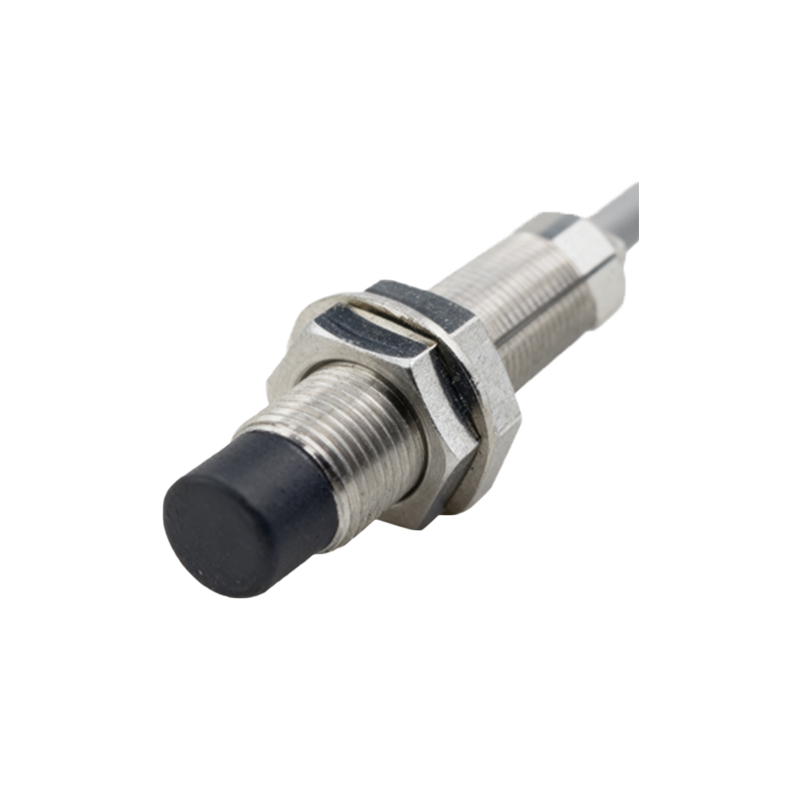
Selecting the right module for a project involves several critical parameters. Detection Range is primary; ensure the module's specified range matches the intended use. Response Time determines how quickly the system reacts to a gesture, crucial for a seamless user experience. Power Consumption is vital for battery-operated devices; many modules feature low-power sleep modes. Interface compatibility (I2C, UART, analog output) must align with the host controller. Finally, environmental robustness against Ambient Light Interference is key, as strong sunlight or other IR sources can affect performance. High-quality modules incorporate optical filters and robust algorithms to mitigate this.
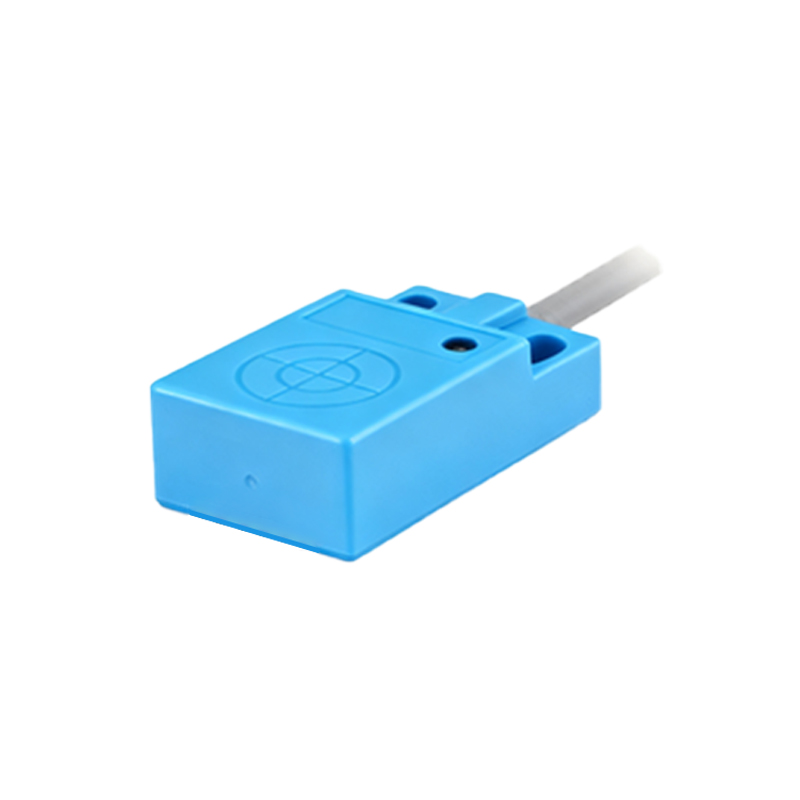
Integration is typically straightforward. After providing a stable power supply (commonly 3.3V or 5V), the designer connects the communication pins to the host microcontroller. The real work often lies in software: configuring the module's registers via its API to set the detection threshold, gesture sensitivity, and output format, followed by writing firmware to process the incoming data and trigger the desired system actions.
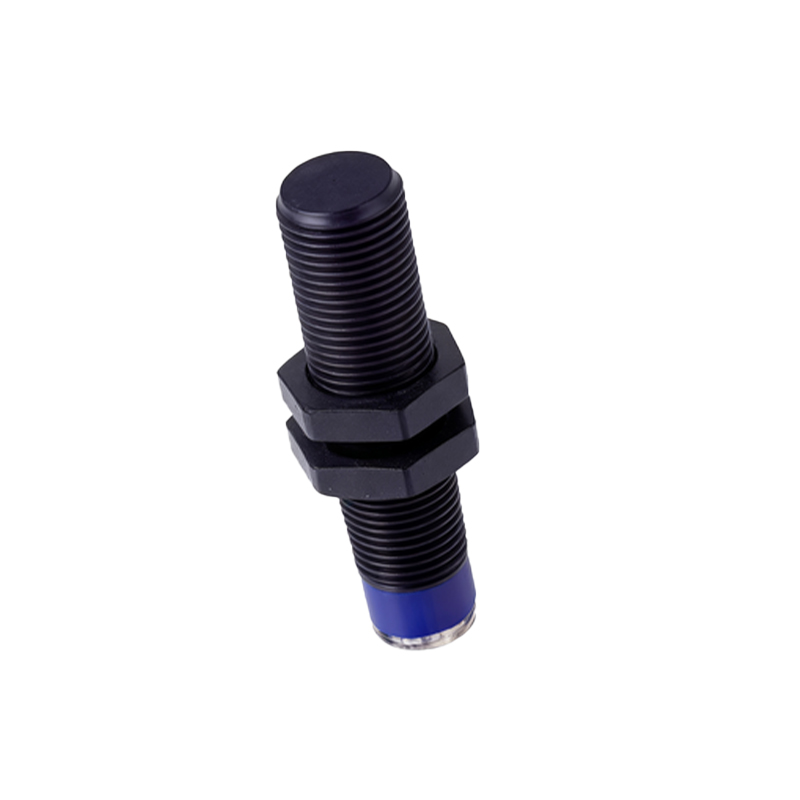
Looking ahead, the evolution of proximity gesture sensing is intertwined with advancements in sensor fusion and machine learning. Future modules will likely combine IR data with time-of-flight (ToF) measurements or micro-radar for even greater accuracy and range. On-chip AI for complex gesture recognition will enable more intuitive and sophisticated control schemes, moving beyond simple swipes to recognize symbols, sign language elements, or multi-finger gestures.
In conclusion, the proximity gesture sensor module is a transformative component that bridges the human desire for natural interaction with the digital world. By offering a reliable, low-power, and contact-free method of input, it opens doors to more intuitive, hygienic, and innovative product designs across every sector of technology. For engineers and creators, understanding its principles and capabilities is the first step toward building the next generation of interactive devices.