In the rapidly evolving landscape of industrial automation and robotics, the demand for precise, reliable, and versatile sensing technology has never been greater. Among the array of solutions available, the four-axis proximity sensor stands out as a critical component for advanced spatial awareness and object detection. Unlike traditional single-axis sensors that detect presence along one linear path, a four-axis sensor integrates multiple sensing elements to monitor proximity in a more comprehensive spatial field, typically along the X, Y, Z axes and sometimes incorporating rotational data or a fourth independent axis for complex orientation.
The core principle behind these sensors often involves non-contact technologies such as inductive, capacitive, ultrasonic, or photoelectric methods. Inductive sensors, for instance, are ideal for detecting metallic objects without physical contact by generating an electromagnetic field. A four-axis inductive array can pinpoint not just if a metal part is present, but precisely where it is located in a three-dimensional space and its alignment relative to a reference point. This capability is transformative for applications like robotic pick-and-place systems, where a gripper must approach a component from a specific angle and height with millimeter accuracy. Similarly, capacitive four-axis sensors can detect a wider range of materials, including liquids and non-metals, making them invaluable in packaging, material handling, and assembly lines where product composition varies.
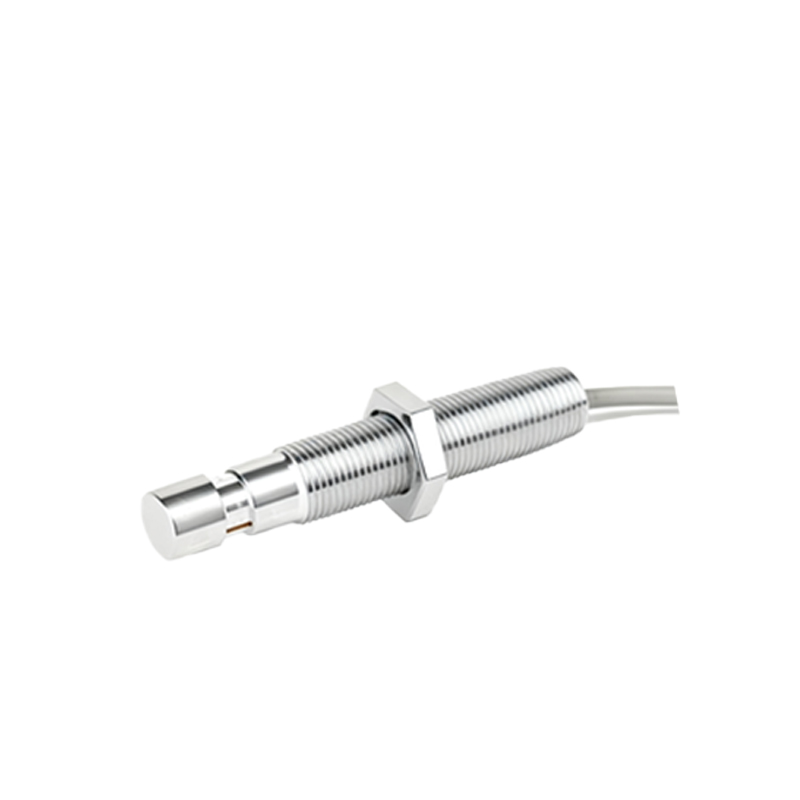
The integration of four sensing axes into a single, often compact, housing offers significant advantages. It reduces the need for multiple discrete sensors, simplifying machine design, wiring, and control logic. This consolidation leads to lower installation costs, reduced maintenance points, and a more streamlined data pipeline to the Programmable Logic Controller (PLC) or robotic controller. The sensor provides a unified data packet containing multi-dimensional coordinates, which the control system can use to make immediate, intelligent decisions. For example, in a CNC machine tool setup, a four-axis proximity system can verify the correct positioning and clamping of a workpiece before machining begins, preventing costly collisions or manufacturing defects.
Furthermore, the application scope of these sensors extends beyond heavy industry. In the burgeoning field of collaborative robotics (cobots), safety is paramount. Four-axis proximity sensors act as a sophisticated safety skin, enabling a cobot to sense human operators approaching from virtually any direction. This allows for dynamic speed reduction or gentle stops, ensuring safe human-robot interaction without the need for bulky physical barriers. In automated guided vehicles (AGVs) and mobile robots, such sensors contribute to sophisticated navigation and obstacle avoidance, creating a detailed map of the immediate environment to plan collision-free paths.
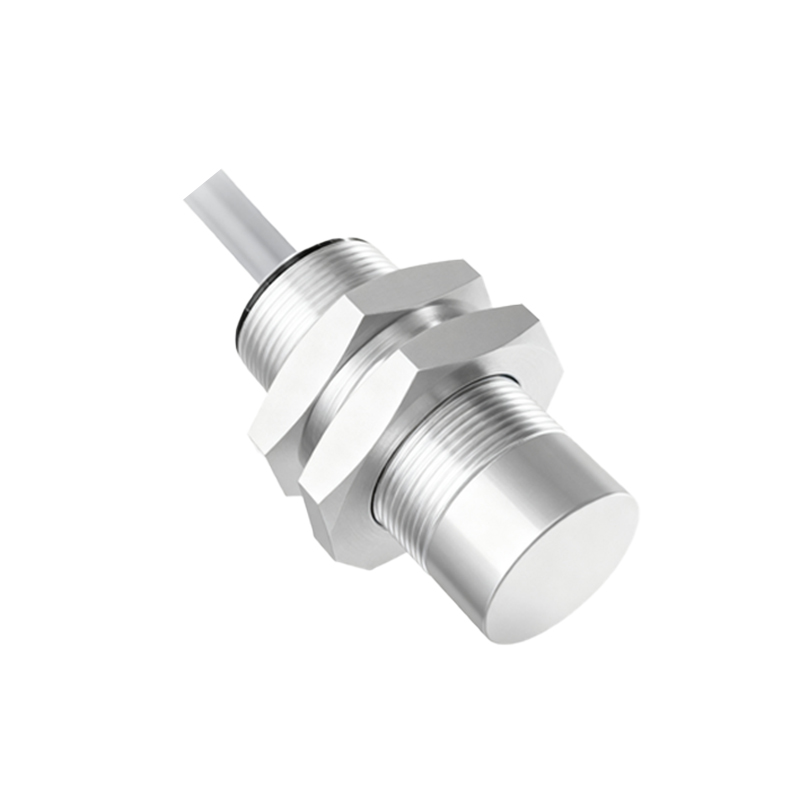
The selection and implementation of a four-axis proximity sensor require careful consideration of several factors. The sensing range, repeat accuracy, response time, and environmental robustness (against factors like temperature fluctuations, dust, oil, or electromagnetic interference) must align with the operational demands. Communication protocols are also crucial; modern sensors often feature IO-Link, Ethernet/IP, or PROFINET connectivity, enabling not just data transmission but also remote configuration, diagnostics, and integration into Industry 4.0 data ecosystems for predictive maintenance.
As automation strives for greater flexibility and intelligence, the role of sophisticated sensing becomes central. The four-axis proximity sensor represents a significant step beyond binary detection, offering rich, contextual data about the physical world. This empowers machines to perform with unprecedented dexterity and awareness, from aligning electronic components on a circuit board with micron-level precision to guiding a robotic arm in a complex welding sequence. By providing a multi-faceted view of proximity and position, these sensors are quietly underpinning the next wave of efficiency, quality, and safety in smart manufacturing and beyond, proving that sometimes, the most impactful advancements are those that perceive the world in more dimensions.