Proximity sensors are the silent sentinels of modern automation, detecting the presence or absence of objects without physical contact. Among the various types, the inductive proximity sensor (often referenced in industry by terms like "PSA" for Proximity Sensor Assembly or specific model series) stands as a cornerstone for countless industrial applications. This guide delves into the critical considerations for selecting and applying these vital components, ensuring optimal performance and system reliability.
At its core, an inductive proximity sensor generates an electromagnetic field. When a metallic object enters this field, it induces eddy currents within the target, causing a change in the sensor's oscillation amplitude. This change is detected by the sensor's circuitry, which then triggers a solid-state output switch. This fundamental operating principle makes them exceptionally robust, immune to environmental factors like dust, oil, and moisture—provided they are correctly specified.
Selection begins with understanding key parameters. Sensing distance, often called the "nominal range," is paramount. It is crucial to note that this rated distance is defined for a standard target of mild steel. Using different materials, such as aluminum or copper, reduces the effective sensing range due to their lower permeability and conductivity; a derating factor must be applied. The sensor's housing style is another critical choice. Cylindrical threaded barrels (e.g., M8, M12, M18, M30) are common for easy mounting, while rectangular or block-style sensors offer alternative mounting solutions for space-constrained environments.
Output configuration is a fundamental decision point. Two-wire AC/DC, three-wire DC (PNP or NNP sourcing/sinking), and four-wire versions (with both NO and NC contacts) cater to different control logic needs. PNP (sourcing) sensors, which switch the positive voltage to the load, are widely used in Europe and with PLCs, while NPN (sinking) types are common in some Asian markets. Mismatching the sensor output type with the controller input is a frequent installation error that leads to immediate failure.
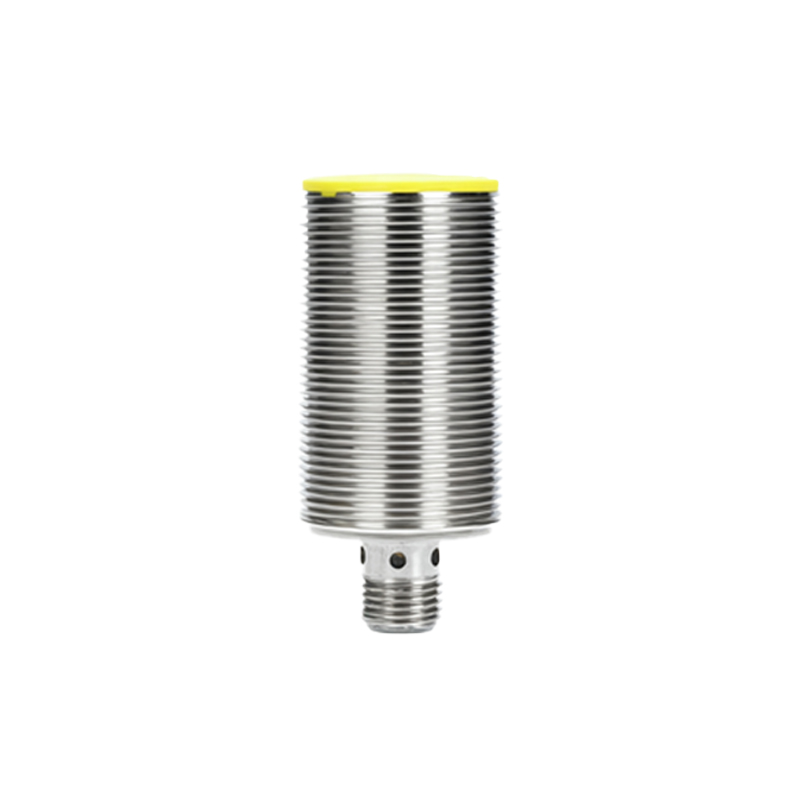
The environment dictates the required protection rating. An Ingress Protection (IP) code, such as IP67 or IP69K, indicates the level of protection against solids and liquids. For washdown areas in food processing or harsh outdoor conditions, a high IP rating is non-negotiable. Similarly, the housing material—typically nickel-plated brass, stainless steel, or PBT plastic—must be chosen to resist corrosion from chemicals or saline atmospheres.
Application wisdom separates a functional installation from a robust one. Always account for installation considerations like embeddable versus non-embeddable designs. Flush-mountable sensors can be installed flush with a metal bracket without affecting their range, whereas non-flush sensors require a clear zone around the sensing face. Factor in temperature extremes, both ambient and from the target itself, as they can affect performance and longevity. Electrical considerations are equally vital; ensure proper shielding and separation from high-voltage cables to prevent electromagnetic interference (EMI), which can cause erratic switching. Incorporating surge protection devices on long cable runs is a prudent practice to guard against voltage spikes.
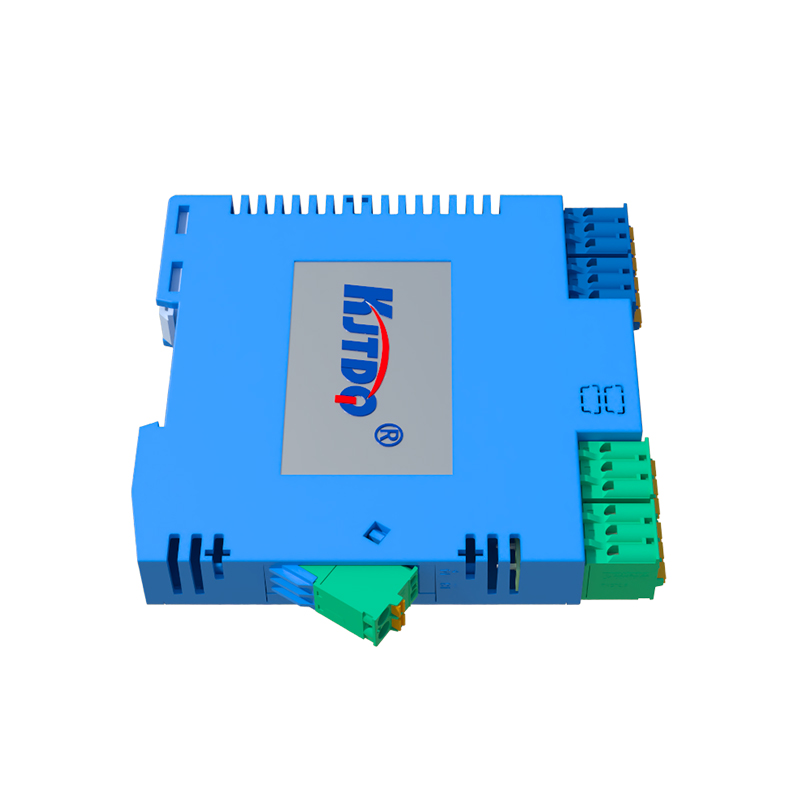
Regular maintenance, though minimal, involves periodic verification of the sensing distance and checking for physical damage or buildup of debris on the sensing face. A simple functional test with the intended target material confirms operational integrity.
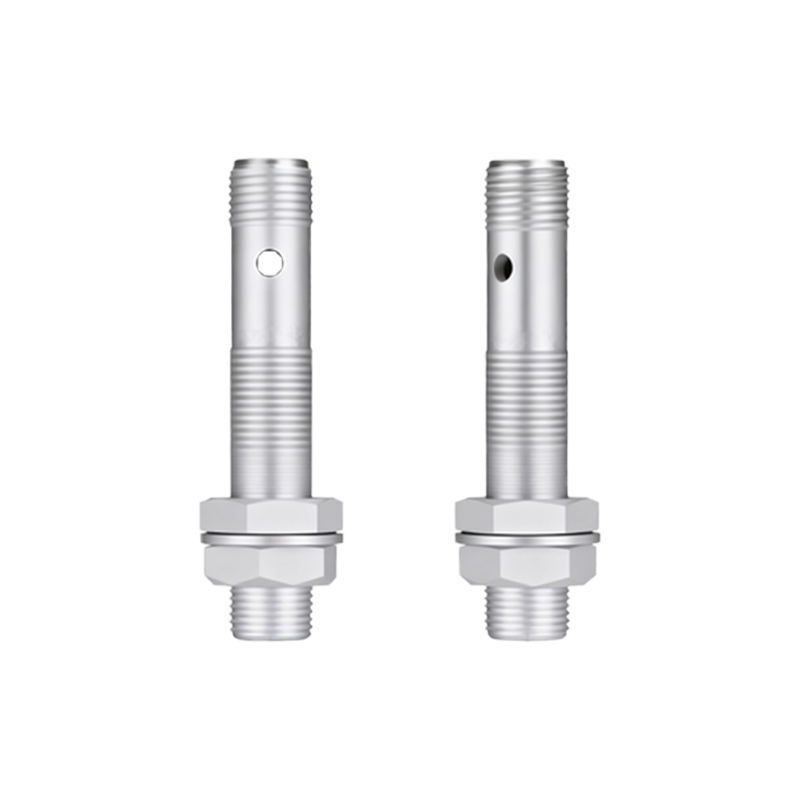
In summary, the effective deployment of an inductive proximity sensor hinges on a methodical selection process that balances electrical requirements, mechanical constraints, and environmental challenges. By meticulously evaluating the target material, required sensing distance, output type, and environmental protections, engineers and technicians can ensure these reliable workhorses of automation deliver years of flawless service, forming the dependable backbone of efficient and safe industrial systems.