In the intricate world of industrial automation and smart devices, the proximity sensor stands as a silent sentinel. Its primary function is deceptively simple: to detect the presence or absence of an object within a specific range without any physical contact. This non-contact detection capability is the cornerstone of countless applications, from ensuring safety on factory floors to enabling the screen-off feature on your smartphone. For engineers, technicians, and procurement specialists managing their own operations—often termed "self-operation" or in-house management—a deep, practical understanding of these sensors is not just beneficial; it's essential for reliability, cost-efficiency, and system optimization.
At its core, a proximity sensor works by emitting an electromagnetic field or a beam of radiation (like infrared light) and then looking for changes in the field or return signal. The object being detected is often referred to as the sensor's "target." The specific technology employed defines the sensor's characteristics and ideal use cases. The main types include Inductive, Capacitive, Ultrasonic, and Photoelectric sensors.
Inductive proximity sensors are the workhorses of metal detection. They generate an oscillating electromagnetic field. When a metallic target enters this field, it induces eddy currents within the metal, which in turn dampens the oscillation amplitude of the sensor. This change triggers the sensor's output switch. These sensors are incredibly robust, immune to environmental factors like dust, oil, or moisture, and are perfect for counting metal parts, determining position limits on machinery, or detecting the presence of a metal gear tooth.
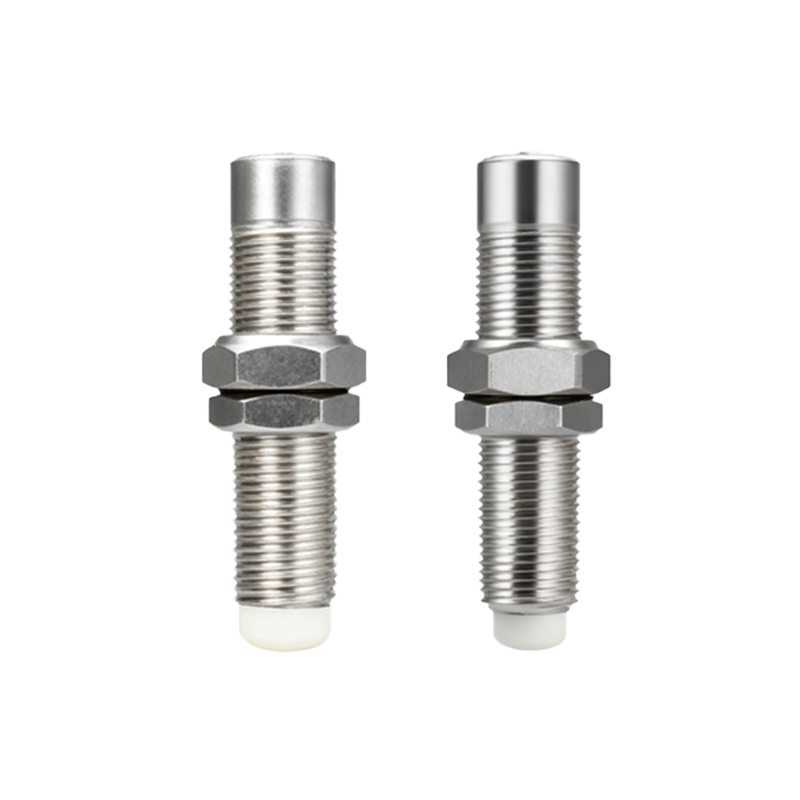
Capacitive sensors, on the other hand, can detect both metallic and non-metallic materials—liquids, plastics, wood, and granules. They function by generating an electrostatic field. Any object that enters this field alters its capacitance, triggering detection. This makes them invaluable in level sensing for tanks (liquid or powder), material handling for non-metals, and even detecting filled vs. empty bottles on a production line. For self-operated facilities handling diverse materials, capacitive sensors offer versatile solutions.
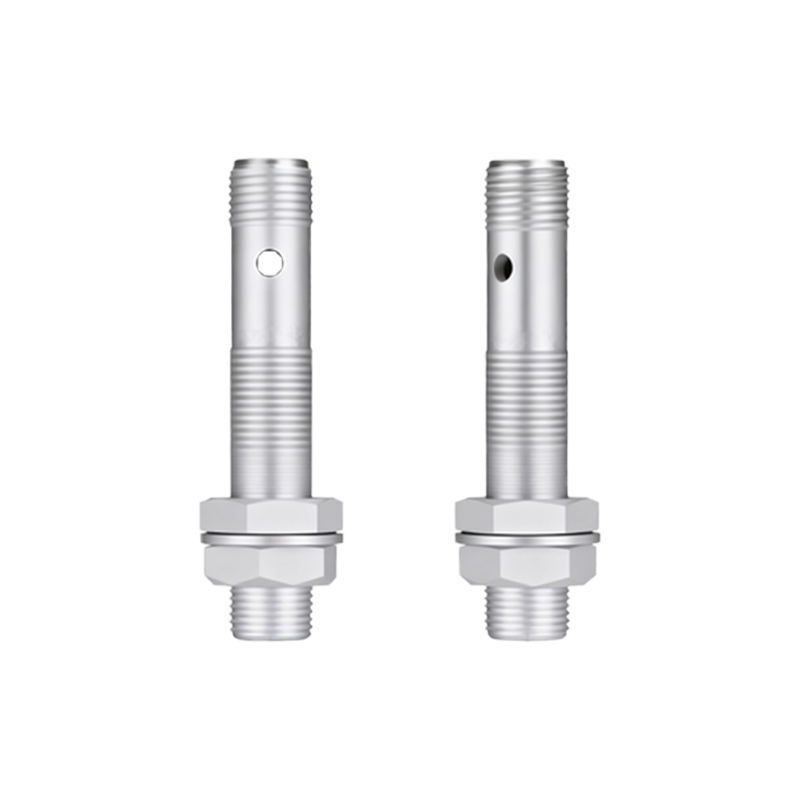
For longer-range detection and handling of complex object shapes or colors, photoelectric sensors are the go-to choice. They operate by emitting a light beam (usually LED-based infrared, red, or laser) and using a receiver to detect the light's condition. They come in three main configurations: through-beam (separate emitter and receiver), retro-reflective (bounces light off a reflector), and diffuse (reflects light directly off the target). They excel in packaging, material handling, and assembly verification.
Ultrasonic sensors use sound waves beyond human hearing. They measure the time it takes for an emitted sound pulse to bounce back from a target. This technology is excellent for precise distance measurement, level control in harsh environments (where foam or vapor might confuse other sensors), and detecting transparent objects like glass or clear films that photoelectric sensors might miss.
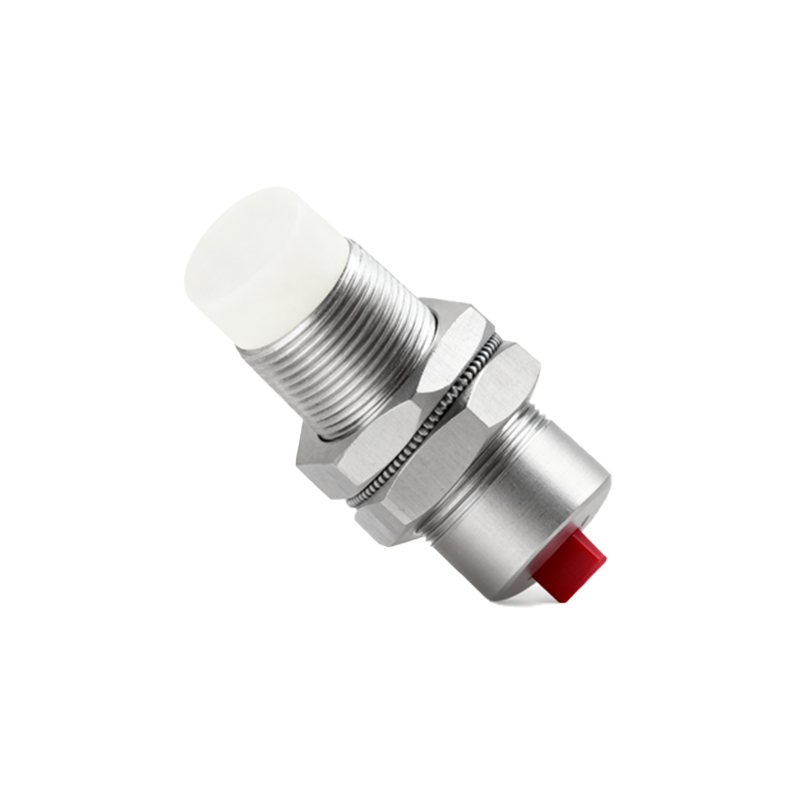
For a team managing a self-operated facility, selecting the right sensor goes beyond just type. Key operational parameters demand careful consideration. Sensing range, often listed as "nominal" or "rated," is crucial but remember it can be affected by target material, size, and environmental conditions. Always test under real-world scenarios. Response frequency dictates how quickly the sensor can detect objects in rapid succession, a critical factor in high-speed production. The output type—typically NPN (sinking) or PNP (sourcing) transistor outputs—must match the control system's input card (like a PLC) to avoid interface issues. Environmental robustness, indicated by IP (Ingress Protection) ratings, is non-negotiable for sensors exposed to washdowns, chips, or outdoor conditions.
The true value of a self-operated model shines in installation, calibration, and maintenance. Proper mounting is the first step to success. Ensure adequate clearance around the sensor head to prevent false triggers from the mounting bracket or nearby metal (a phenomenon called "side-access" or "flush-mounting" considerations). Alignment for photoelectric or through-beam sensors must be precise. Regular maintenance involves cleaning the lens or sensing face from accumulated dirt, grease, or debris, which is a leading cause of sensor failure. Periodically verifying the sensing distance and output stability can prevent unexpected downtime.
Troubleshooting is an integral skill. A systematic approach starts with the basics: is the sensor powered correctly? Is the output load (e.g., PLC input, relay) functioning? Using a simple multimeter to check voltage at the output terminal can isolate the problem to the sensor or the downstream circuit. Understanding the sensor's indicator LED (power, output state) is invaluable. Common issues like reduced sensing range often point to a dirty face or a misaligned target. Electrical noise in the environment can sometimes cause erratic behavior, necessitating proper shielding and grounding of cables.
Ultimately, embracing proximity sensor self-operation empowers teams