In industrial settings where flammable gases, vapors, or combustible dusts are present, the risk of ignition is a constant concern. Traditional electrical equipment, including sensors, can generate sparks or heat that might trigger explosions. This is where intrinsic safety (IS) proximity sensors come into play—a critical technology designed to operate safely in such hazardous areas without causing ignition.
Intrinsic safety is a protection technique based on the principle of limiting electrical and thermal energy to levels below what is required to ignite a specific hazardous atmospheric mixture. An IS proximity sensor is engineered so that, even under fault conditions, it cannot release sufficient energy to cause ignition. This is achieved through careful circuit design that incorporates current-limiting resistors, Zener diodes, and isolation barriers. These components ensure that both the stored energy and the power generated during normal operation or potential malfunctions remain within safe thresholds.
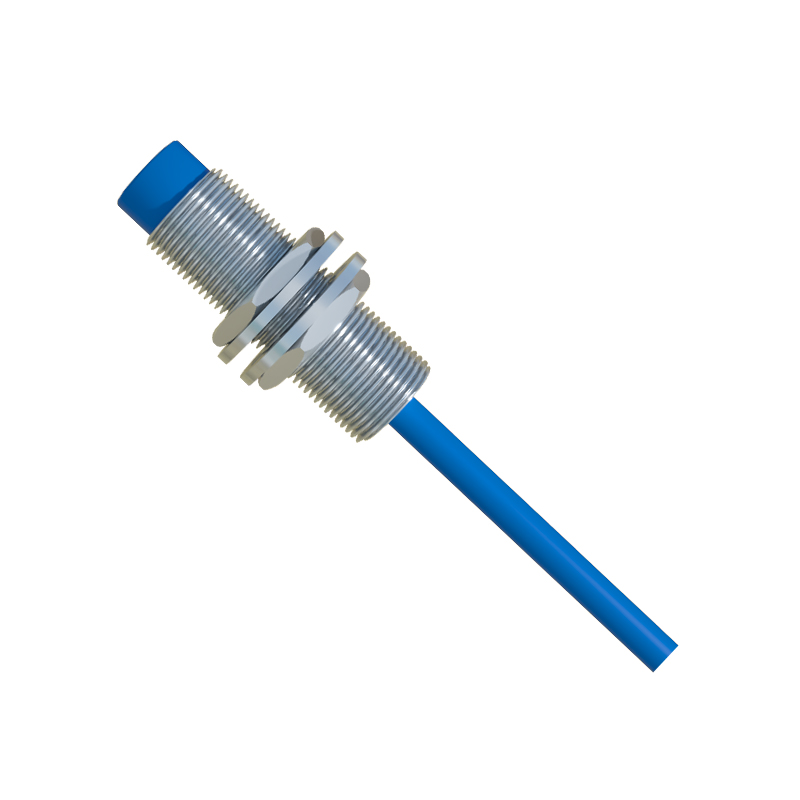
The core function of a proximity sensor—detecting the presence or absence of an object without physical contact—remains unchanged in IS designs. Common types include inductive sensors for metallic objects, capacitive sensors for non-metallic materials, and ultrasonic sensors. However, in IS versions, every aspect, from the sensing element to the output circuitry, is optimized for low-power operation and energy containment. These sensors are typically connected to intrinsic safety barriers or isolators located in safe areas, which further limit the energy transmitted into the hazardous zone.
Applications for intrinsic safety proximity sensors are widespread across high-risk industries. In oil and gas refineries, they monitor valve positions, tank levels, or equipment presence in zones where hydrocarbon vapors may exist. Chemical processing plants utilize them for detecting material flow or machine part positioning amidst potentially explosive dust or gas. Mining operations deploy IS sensors on conveyor systems or drilling equipment where methane or coal dust poses a threat. Even in pharmaceutical manufacturing, where certain solvents are used, these sensors provide essential safety assurances.
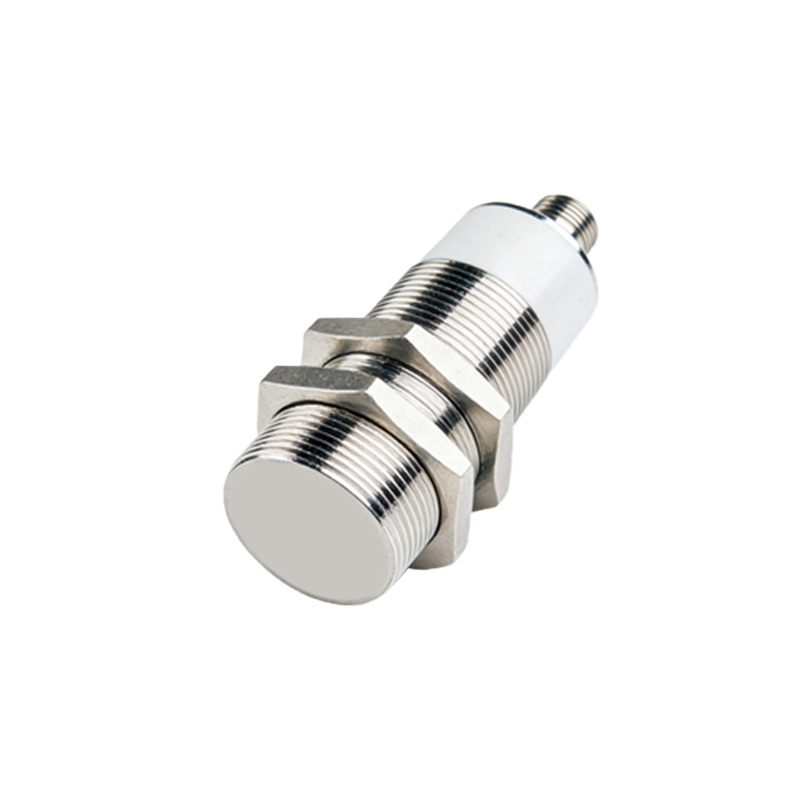
Selecting the right IS proximity sensor involves several key considerations. First, the hazardous area classification (such as Class I, Division 1 for gases, or Zone 0/1/2 as per IEC standards) must be matched with the sensor’s certifications. Common certifications include ATEX (Europe), IECEx (International), and UL (North America). Environmental factors like temperature range, housing material (often stainless steel or brass with high-grade sealing), and IP ratings for dust and moisture resistance are also vital. Additionally, output types (e.g., PNP/NPN, analog, or IO-Link) and sensing ranges must align with the application’s control system requirements.
Installation and maintenance of these sensors require adherence to strict guidelines. Wiring must follow certified methods using appropriate cables and connectors. Any repairs or modifications should only be performed by qualified personnel to maintain the integrity of the IS protection. Regular inspections for physical damage, corrosion, or seal degradation are necessary to ensure ongoing safety compliance.
The benefits of using intrinsic safety proximity sensors extend beyond explosion prevention. They allow for live maintenance and calibration in hazardous areas without requiring a full shutdown, thereby increasing operational uptime. Their design often enhances overall system reliability due to robust construction. Moreover, by preventing catastrophic incidents, they protect human lives, expensive assets, and the environment, while helping facilities meet stringent regulatory standards.
In summary, intrinsic safety proximity sensors represent a sophisticated fusion of sensing technology and safety engineering. They enable automation and monitoring in the world’s most dangerous workplaces by ensuring that the very tools used for detection cannot become sources of ignition. As industries continue to prioritize safety and efficiency, the role of these specialized sensors will only grow in importance, forming an invisible yet indispensable layer of protection in hazardous environments.