Proximity sensors are fundamental components in modern automation, robotics, and countless consumer devices. Their primary function is to detect the presence or absence of an object within a specified area without physical contact. A critical parameter defining their performance and application suitability is the detection range. This term refers to the maximum distance at which a sensor can reliably detect a standard target. Understanding this specification is paramount for selecting the right sensor and ensuring system reliability.
The detection range is not a single, fixed value but is influenced by a complex interplay of sensor technology, target properties, and environmental conditions. Different sensing principles yield vastly different operational ranges. Inductive sensors, which detect metallic objects, typically offer short ranges from 1 to 60 millimeters. Capacitive sensors can detect both metallic and non-metallic materials but usually within a similar short-range bracket. In contrast, ultrasonic sensors can measure distances from a few centimeters up to several meters, while photoelectric sensors (through-beam, retro-reflective, diffuse) can span from centimeters to over 100 meters for specialized models. Laser-based time-of-flight sensors push this even further.
A common misconception is that the rated "nominal range" (Sn) is a guaranteed detection point. In reality, it is a reference value. Engineers must account for operational tolerances. Key factors that cause the effective range to deviate from the nominal specification include:
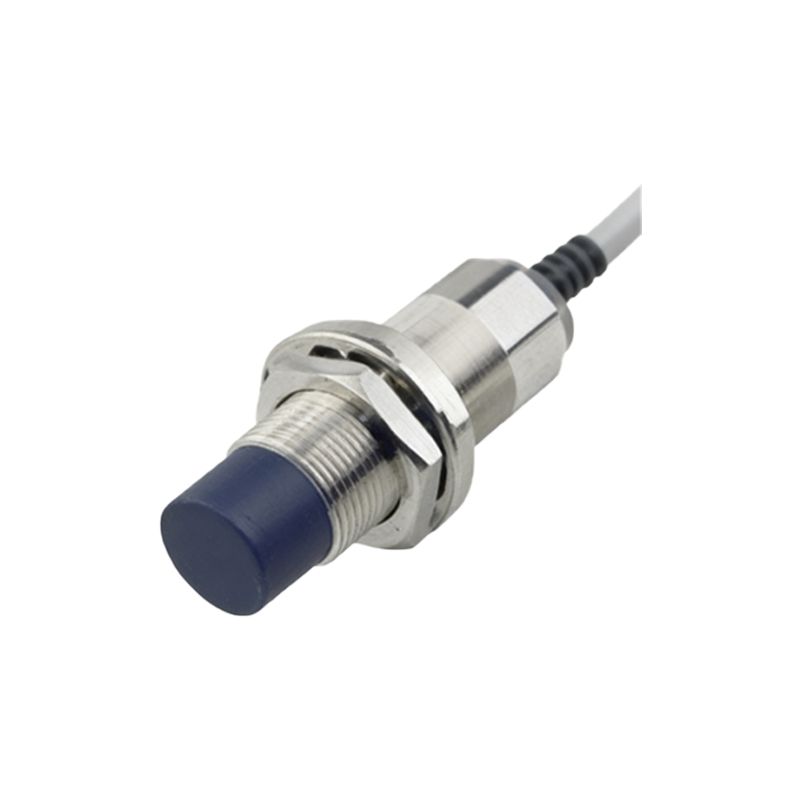
Target Characteristics: Size, material, shape, and surface color (for optical sensors) dramatically affect range. A larger, more reflective target will be detected at a greater distance than a small, dark, or absorbent one. For inductive sensors, the type of metal (steel, aluminum, copper) and its thickness alter the sensing distance.
Environmental Conditions: Temperature fluctuations can cause sensor components to expand or contract, slightly shifting the detection point. For optical and ultrasonic sensors, ambient light, dust, fog, or acoustic noise can interfere with the signal, reducing effective range. Strong electromagnetic fields can impact inductive and capacitive sensors.
Installation and Alignment: Proper mounting is crucial. Sensors must be positioned perpendicular to the expected target path for optimal performance. Vibration can misalign sensors over time, while mounting in metal surrounds (for inductive sensors) may require a reduced effective range due to side-shield effects.
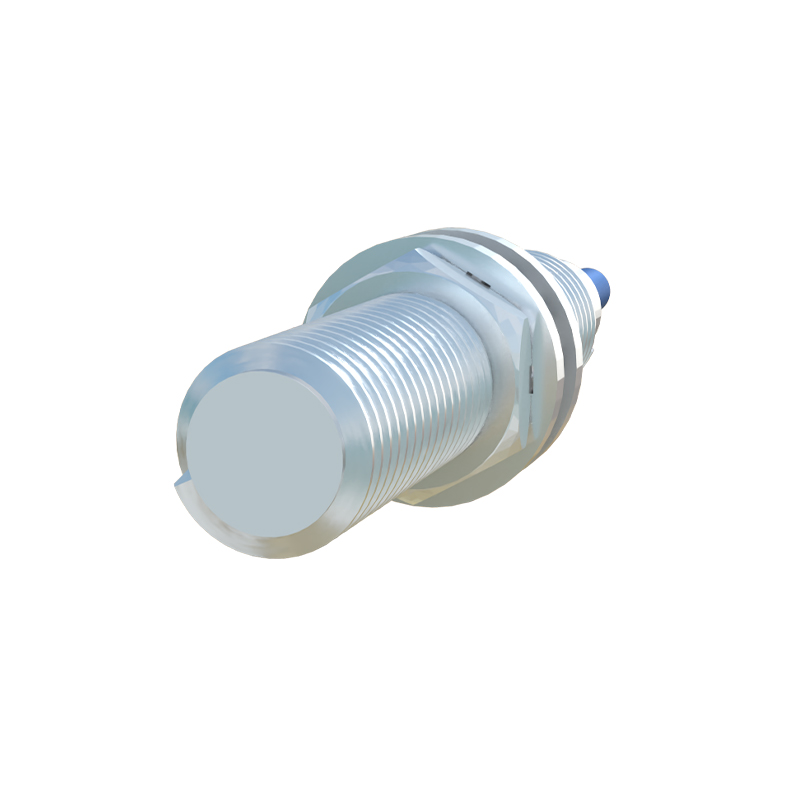
To ensure consistent operation, manufacturers define two other crucial ranges alongside the nominal range (Sn). The assured operating range (Sa) is a reduced distance, typically 0 to 81% of Sn, within which detection is guaranteed under all specified conditions, including supply voltage variations and temperature extremes. The repeatability specification indicates how consistently the sensor can detect a target at the same point within this range.
For application success, follow these guidelines:
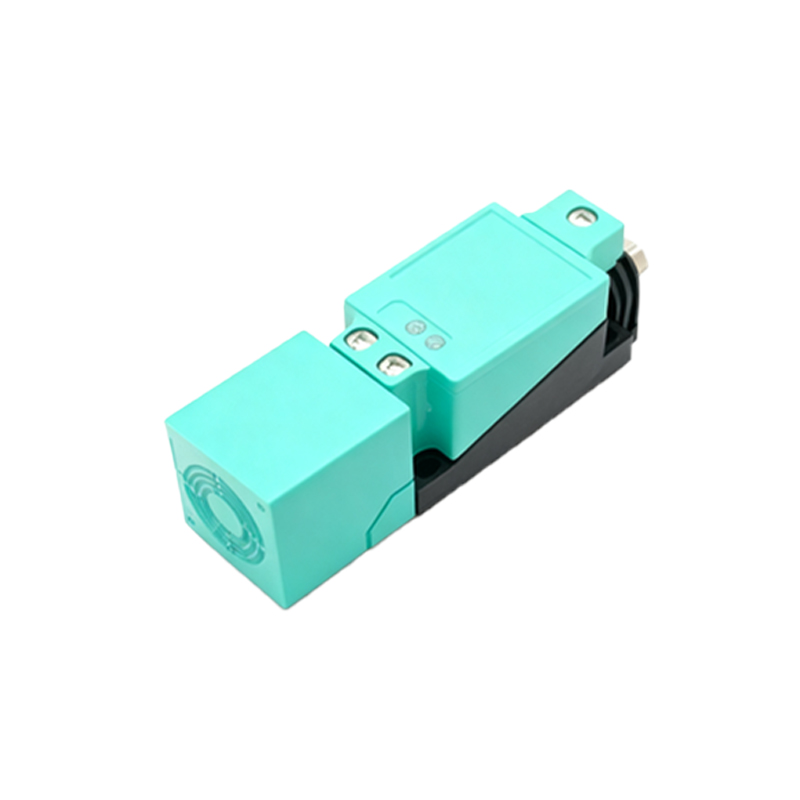
1. Select by Technology First: Choose the sensing principle (inductive, capacitive, photoelectric, ultrasonic) based on the target material and the required range.
2. Derate the Nominal Range: Never design a system where the target passes exactly at the sensor's nominal range. Use the assured operating range (Sa) for critical positioning logic. For non-critical presence detection, a good rule of thumb is to utilize 70-80% of the nominal range to build in a safety margin.
3. Consider the Target: Use the sensor's data sheet, which often includes reduction factors for different materials and sizes. Test with the actual target if possible.
4. Mind the Environment: Install sensors away from sources of contamination, extreme heat, or electrical noise. Use sensors with appropriate ingress protection (IP) ratings for harsh environments.
5. Regular Verification: Implement periodic checks in automated systems to confirm sensor functionality, as gradual buildup of dirt or slight misalignment can degrade the effective detection range over time.
In conclusion, the detection range of a proximity sensor is a deceptively simple specification that requires careful interpretation. Successful implementation hinges on understanding the nuances between nominal, actual, and assured operating ranges. By accounting for target properties, environmental factors, and incorporating a prudent safety margin, engineers can leverage these versatile devices to create robust, reliable, and efficient automated systems. Always consult the manufacturer's technical documentation for the most accurate and application-specific data.