Proximity speed sensors are critical components in modern industrial automation, automotive systems, and machinery monitoring. These devices detect the presence, absence, or motion of objects without physical contact, converting rotational or linear speed into measurable electrical signals. Based on their operating principles and applications, proximity speed sensors can be categorized into several distinct types, each offering unique advantages for specific scenarios.
Inductive proximity sensors are among the most common types. They generate an electromagnetic field and detect changes caused by metallic targets. When a metal object enters the sensor's field, eddy currents are induced, altering the oscillation amplitude. This change triggers an output signal proportional to the target's speed. Inductive sensors are highly durable, resistant to environmental factors like dust and moisture, and ideal for detecting ferrous metals in harsh industrial settings such as conveyor systems or motor speed monitoring.
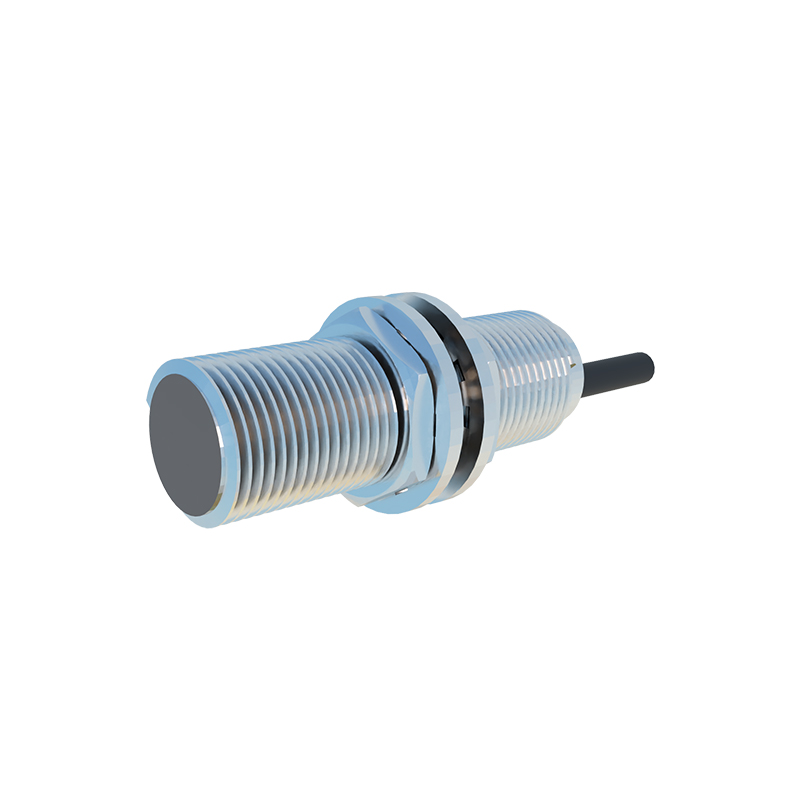
Capacitive proximity sensors operate by detecting changes in capacitance. They generate an electrostatic field and sense variations when any material—metallic or non-metallic—enters the sensing area. This makes them versatile for applications involving liquids, plastics, or granular materials. Capacitive sensors are often used in packaging industries, level detection systems, and scenarios where non-conductive targets require speed measurement. However, they may be sensitive to environmental humidity or temperature fluctuations.
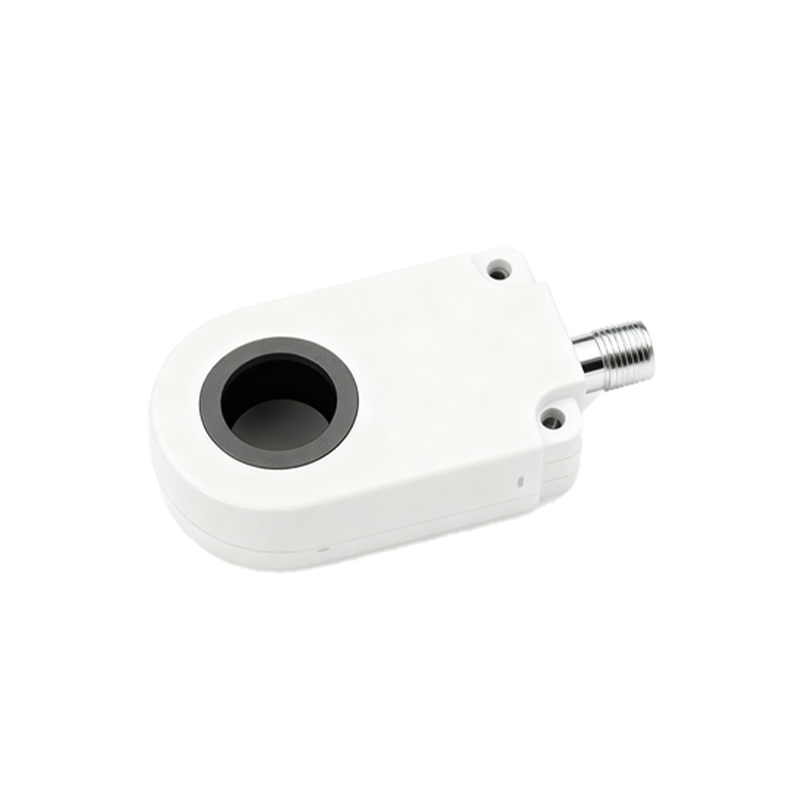
Magnetic proximity sensors, including Hall effect and magnetoresistive types, rely on magnetic fields. Hall effect sensors detect changes in magnetic flux density when a magnetic target approaches, producing a voltage output. They are widely used in automotive applications, such as crankshaft or camshaft speed sensing, due to their accuracy and reliability under extreme temperatures. Magnetoresistive sensors offer higher sensitivity and can detect weaker magnetic fields, making them suitable for precision speed measurement in robotics or aerospace.
Optical proximity sensors use light beams—typically infrared or laser—to detect motion. They consist of an emitter and a receiver; when an object interrupts the light beam, the sensor generates a pulse signal corresponding to speed. Optical encoders, a subtype, provide high-resolution feedback by counting light pulses through rotating discs. These sensors excel in clean environments like semiconductor manufacturing or printing presses but may be affected by ambient light or contaminants.
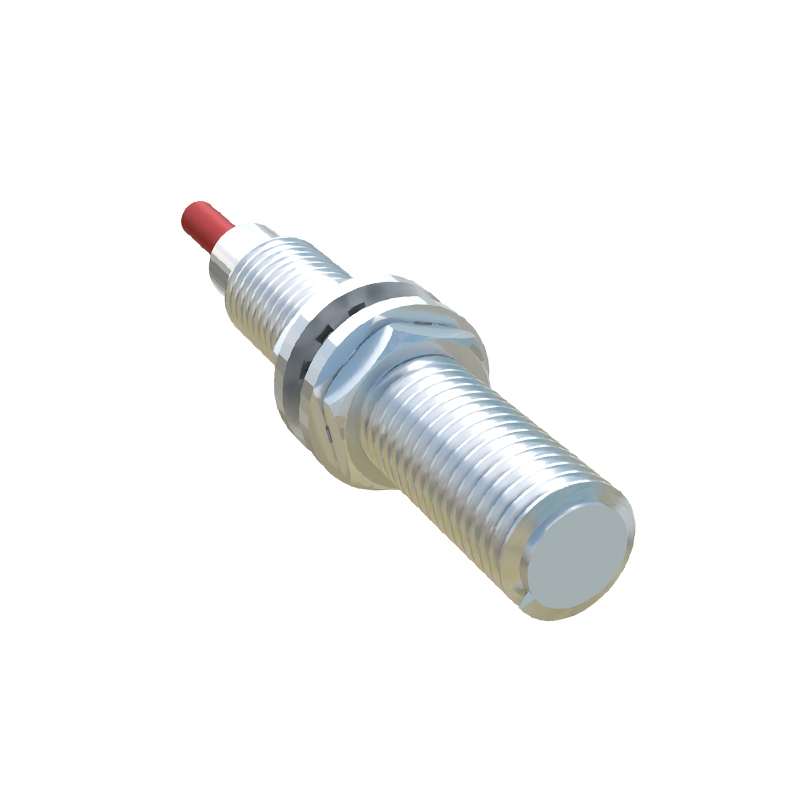
Ultrasonic proximity sensors emit high-frequency sound waves and measure the time delay of reflected echoes to calculate distance and speed. They are effective for non-contact detection of diverse materials, including transparent or irregularly shaped objects. Common applications include liquid flow measurement, vehicle speed detection in traffic systems, and automated guided vehicles (AGVs). However, their performance can be influenced by air turbulence or temperature gradients.
Each type of proximity speed sensor has distinct characteristics. Inductive sensors offer robustness for metal detection, capacitive sensors provide material versatility, magnetic sensors ensure precision in harsh conditions, optical sensors deliver high accuracy in controlled settings, and ultrasonic sensors adapt to complex surfaces. Selection depends on factors like target material, environmental conditions, required accuracy, and cost considerations.
In practice, integrating these sensors enhances efficiency and safety. For instance, in wind turbines, magnetic sensors monitor blade speed to prevent overloads, while inductive sensors in assembly lines track conveyor belt velocity. Regular calibration and maintenance are essential to ensure long-term reliability. As technology advances, smart sensors with embedded diagnostics and IoT connectivity are emerging, enabling real-time speed monitoring and predictive maintenance across industries.
Understanding these categories helps engineers and technicians choose the right sensor for optimal performance, contributing to smoother operations and reduced downtime in automated systems.