Selecting the right proximity sensor for an application is a critical decision that impacts system reliability, efficiency, and cost. Unlike simple component choices, sensor selection requires a methodical evaluation of the operating environment, target characteristics, and performance needs. This guide outlines the fundamental criteria engineers must consider to ensure optimal sensor performance and longevity.
The first and foremost consideration is the sensing technology itself. The primary types include Inductive, Capacitive, Ultrasonic, and Photoelectric sensors. Inductive sensors are the workhorses for detecting metallic objects, typically ferrous metals like steel, with the longest sensing ranges for these materials. They are immune to non-metallic substances like dust, water, or oil splashes, making them ideal for harsh industrial environments. Capacitive sensors, on the other hand, can detect nearly any material—liquids, plastics, wood, granules, and metals—by measuring changes in capacitance. They are perfect for level detection in tanks or presence detection of non-metallic objects but can be influenced by environmental humidity or material consistency. Ultrasonic sensors use sound waves to detect objects and measure distance, excelling with transparent, liquid, or irregularly shaped targets where optical methods might fail. Photoelectric sensors, utilizing light beams, offer the longest ranges and high precision for small object detection but can be affected by ambient light, color, and surface reflectivity of the target.
Once the technology is narrowed down, the detailed specifications of the application come into play. Sensing range is paramount. The nominal range specified in datasheets is for a standard target. Real-world range is affected by target size, material, and shape. A crucial rule is to select a sensor with a rated range 20-30% greater than the maximum required operating distance to account for variations and ensure a reliable signal. The size and material of the target object directly influence this choice. For inductive sensors, a larger ferrous metal target increases the effective range, while for capacitive sensors, the dielectric constant of the material is key.
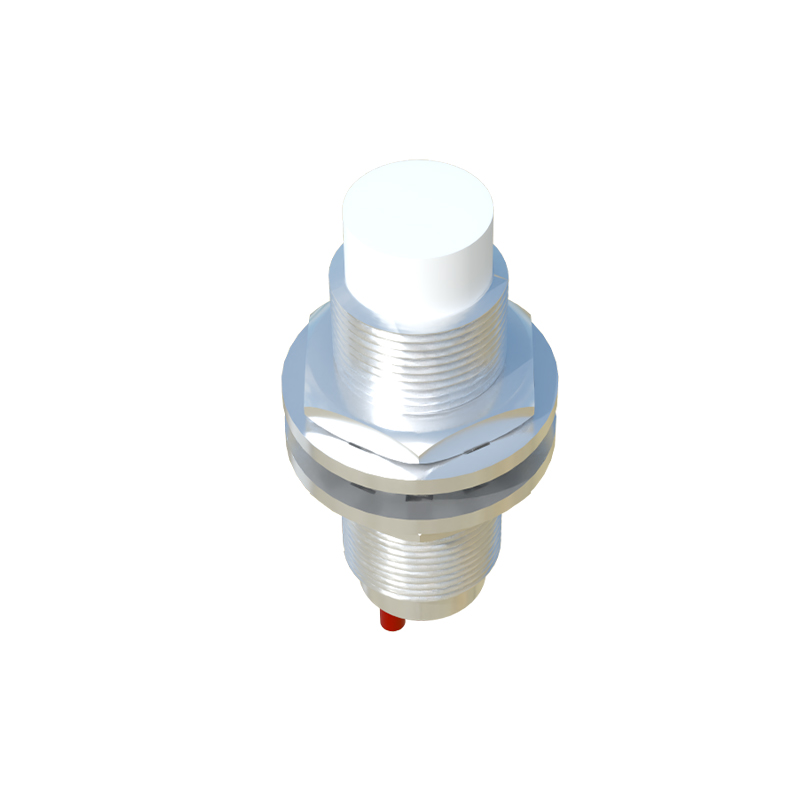
The physical requirements of the sensor housing are dictated by the installation environment. Key specifications include the housing material (e.g., stainless steel for corrosive settings, PBT plastic for general use), ingress protection rating (IP67 for dust and temporary immersion, IP69K for high-pressure washdown), and temperature range. For food, pharmaceutical, or chemical industries, sensors with specific certifications (e.g., FDA-compliant materials, EHEDG, 3A) are mandatory to meet hygiene standards.
Electrical characteristics must seamlessly integrate with the control system. This involves the output type: PNP (sourcing) or NPN (sinking), which must match the PLC input card. The output configuration—normally open (NO) or normally closed (NC)—defines the logic state when a target is detected. Supply voltage compatibility (e.g., 10-30V DC, 20-250V AC) and current rating are non-negotiable for safe operation. For high-speed applications like counting or RPM measurement, the sensor's switching frequency (response time) must be fast enough to capture every event without missing counts.
Environmental factors often dictate the final selection. The presence of intense electromagnetic interference (EMI) from motors or welders necessitates sensors with robust shielding. Heavy vibration or mechanical shock requires ruggedized housings. For outdoor use, resistance to UV light and wide temperature fluctuations is essential. In washdown areas, sensors must withstand high-pressure, high-temperature cleaning chemicals and steam.
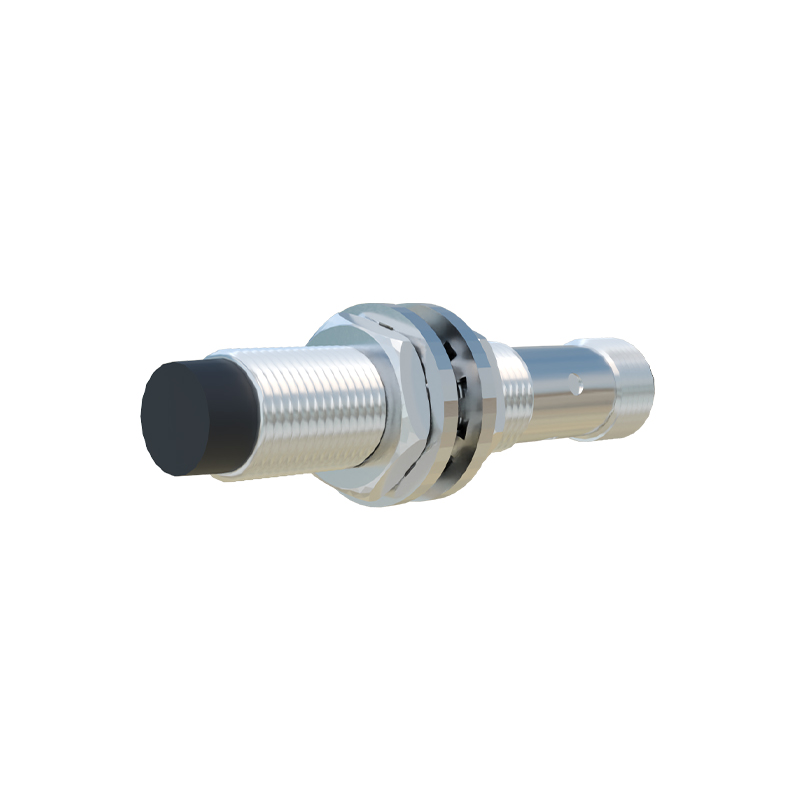
Finally, practical installation considerations can override technical specifications. The sensor's form factor—barrel-style, rectangular, or ring-shaped—must fit the available space. Connection methods, such as pre-wired cables or quick-disconnect connectors, affect maintenance and replacement ease. Adjustability features like built-in potentiometers for range sensitivity can simplify setup. Always consult the manufacturer's detailed documentation and, when possible, test the sensor with the actual target material under real operating conditions before finalizing the design. A thorough evaluation across all these criteria—technology, specs, environment, electrical, and physical—is the only path to a robust, reliable, and cost-effective proximity sensing solution.