In the high-speed, high-precision world of metal stamping, every micron and millisecond counts. Stamping molds, the heart of this manufacturing process, undergo tremendous forces and rapid cyclic movements. Ensuring their flawless operation and longevity requires more than just robust mechanical design; it demands intelligent monitoring and control. This is where proximity sensors, the unassuming yet critical electronic sentinels, play a transformative role. Their integration into stamping systems marks a significant leap from purely mechanical operation to smart, responsive manufacturing.
Proximity sensors are non-contact devices designed to detect the presence or absence of a target object within a specified range without physical contact. In the context of stamping molds, these targets are typically metallic components like the upper die (punch), lower die, stripper plate, or even the workpiece itself. The most commonly employed types are inductive proximity sensors, prized for their reliability in detecting ferrous and non-ferrous metals amidst the oily, dusty, and vibration-heavy environment of a stamping press.
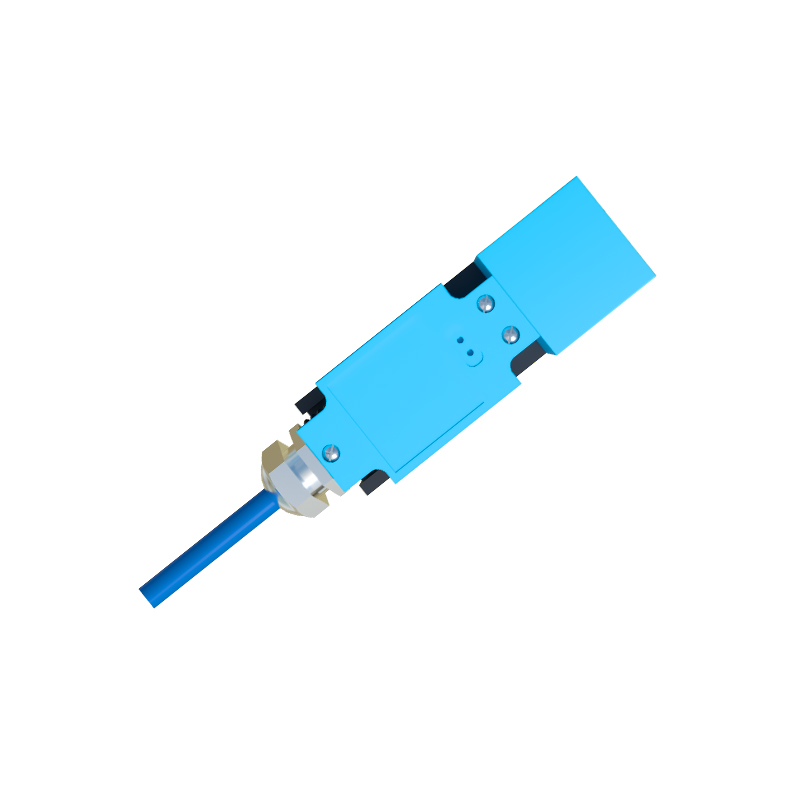
The core functions of these sensors within the stamping process are multifaceted. Primarily, they serve as vital components for die protection and crash prevention. A mis-fed blank, a stuck part, or a fragment of scrap can spell disaster, leading to a costly mold crash. Strategically placed sensors monitor critical positions—such as the correct ejection of a part or the confirmation that a blank is properly seated before the press cycle initiates. If a sensor fails to detect the target at the expected moment, it sends an immediate signal to halt the press, preventing catastrophic damage that could result in tens of thousands of dollars in repairs and prolonged downtime.
Beyond crash prevention, proximity sensors are indispensable for precision position verification. They provide real-time feedback on the exact position of the slide or die components. For instance, sensors can verify that the upper die has fully retracted to a safe, top-dead-center position before allowing the feed mechanism to advance the next blank. This precise positional control is crucial for coordinating complex, high-speed progressive die operations where timing is everything. It ensures that each station in the die performs its function—be it piercing, bending, or coining—at the exact right moment in the cycle.
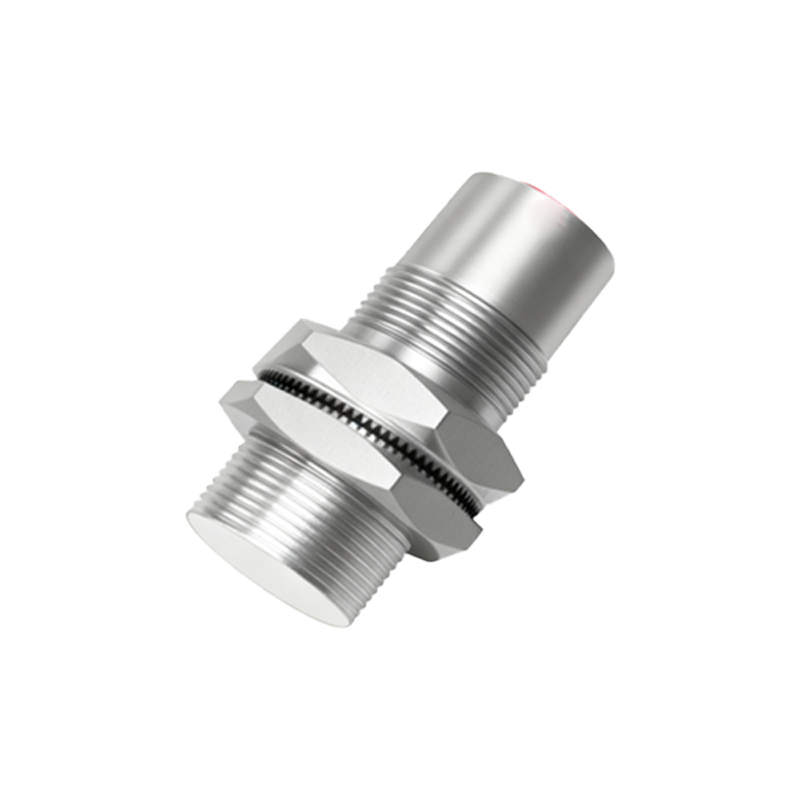
Furthermore, these sensors are fundamental to automated process monitoring and data collection. By continuously monitoring sensor states, manufacturers can track cycle times, detect irregularities in part ejection, and gather valuable performance data. This data forms the basis for predictive maintenance, allowing teams to schedule mold servicing based on actual usage and performance metrics rather than arbitrary time intervals. It shifts maintenance from a reactive to a proactive paradigm, further enhancing overall equipment effectiveness (OEE).
The operational benefits are substantial. The integration of reliable proximity sensing systems dramatically reduces unplanned downtime by preventing crashes and enabling quick fault diagnosis. It enhances product quality by ensuring every part is stamped under identical, verified conditions. Most importantly, it significantly improves operator safety. By ensuring the press only cycles when all conditions are confirmed safe, these sensors act as a critical layer of protection, isolating personnel from the dangerous point of operation.
Selecting the right sensor for a stamping application requires careful consideration. Key factors include the sensing distance, which must account for mechanical tolerances and thermal expansion; the housing material and ingress protection (IP) rating to withstand coolant, oil, and metal particulate; and the sensor's electrical specifications to interface seamlessly with the press's programmable logic controller (PLC). Ruggedized, all-metal-housed sensors are often the standard for these demanding environments.
Installation is equally critical. Sensors must be mounted securely to resist intense vibration, and their positioning must be precise and repeatable. Proper shielding of cables is essential to prevent electromagnetic interference from the large motors and solenoids in the press. Regular maintenance, though minimal for solid-state sensors, involves checking for physical damage, buildup of contaminants on the sensing face, and verifying signal integrity.
In conclusion, proximity sensors in stamping molds are far more than simple switches. They are the essential sensory organs of a modern, intelligent stamping system. By providing reliable, non-contact detection and feedback, they empower manufacturers to achieve new levels of precision, protect valuable capital equipment, ensure worker safety, and unlock the data-driven insights necessary for continuous improvement. As stamping technology advances towards greater automation and connectivity in Industry 4.0, the role of these robust and reliable sensors will only become more central, solidifying their status as a cornerstone of efficient and safe metal forming.