In the intricate and highly engineered world of modern aviation, few components are as quietly indispensable as the proximity sensor. On the Boeing 737, the world's most prolific commercial jetliner, these unassuming devices form a silent, vigilant network, providing essential data that keeps the aircraft operating safely within its physical limits. They are the aircraft's tactile sense, constantly measuring gaps, clearances, and positions that are beyond the pilot's direct view.
Fundamentally, a proximity sensor on the 737 is a device that detects the presence or absence of an object, or measures the distance to it, without physical contact. This is achieved through various technologies, with inductive and capacitive sensors being among the most common for critical mechanical systems. An inductive sensor, for instance, generates an electromagnetic field. When a metallic target, like a landing gear component or a flap actuator, enters this field, it induces eddy currents that alter the sensor's oscillation. This change is precisely measured and converted into a reliable electrical signal for the aircraft's computers.
The applications of these sensors are woven throughout the 737's anatomy. One of the most vital roles is in the landing gear system. Proximity sensors, often called "prox switches" by engineers, are strategically placed to confirm whether the nose and main landing gears are safely down and locked for landing, or fully retracted and secured for cruise. They provide the primary input for the cockpit's gear position indicators and the aural warning system. A failure or misalignment here could lead to a potentially catastrophic situation.
Similarly, the complex high-lift system—the flaps and slats that extend from the wings during takeoff and landing—relies heavily on proximity sensors. These sensors monitor the precise position of the flap tracks and slat mechanisms. They ensure the surfaces are symmetrically deployed to the commanded position, providing the necessary lift at low speeds. Discrepancies in sensor readings can trigger warnings and prevent unsafe configurations. Engine systems also utilize these sensors to monitor the position of thrust reverser components, ensuring they are properly stowed during flight.
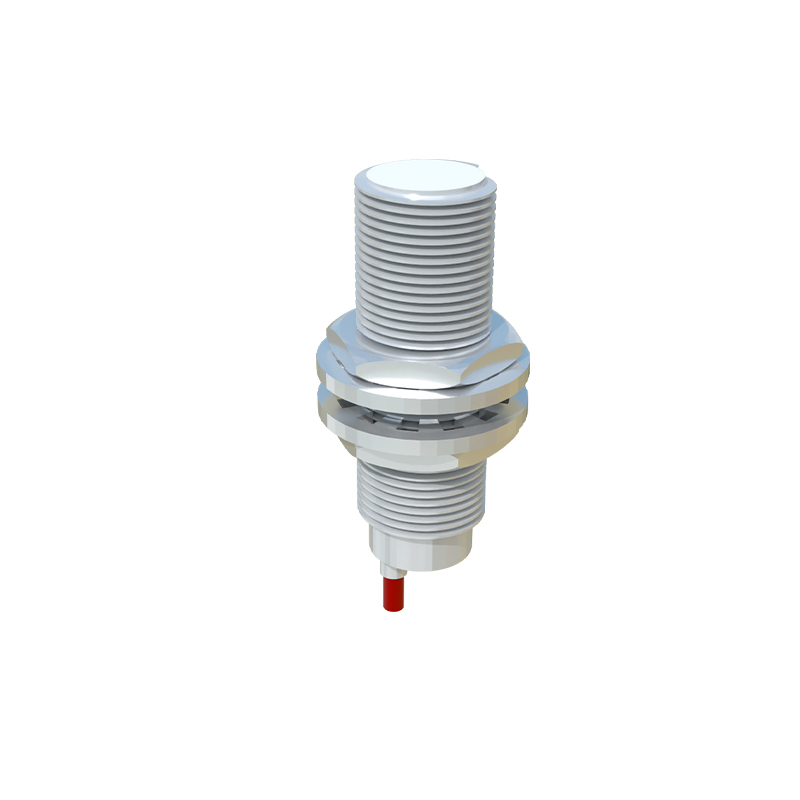
The reliability of these sensors is paramount. They are designed to operate in extreme environments: subjected to intense vibration, dramatic temperature swings from ground heat to high-altitude cold, exposure to hydraulic fluids and de-icing chemicals, and constant pressure cycles. Manufacturers subject them to rigorous testing far beyond normal operational demands. Their design is typically "fail-passive" or "fail-safe," meaning a failure should result in a known, predictable state—like triggering a warning—rather than providing dangerously erroneous data.
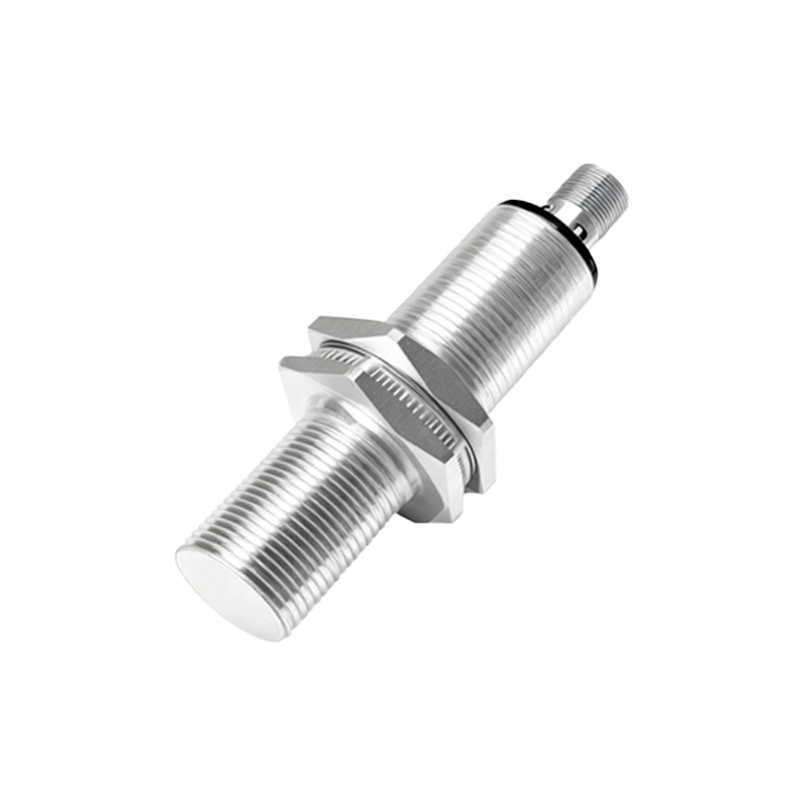
Maintenance and precise calibration are critical. During heavy checks, technicians meticulously verify the alignment and gap between each sensor and its target. Even a millimeter of misalignment can cause intermittent faults or false warnings. The troubleshooting of sensor-related issues is a common task for line maintenance crews, often involving electrical checks, physical inspections, and sometimes replacement. The data from these sensors also feeds into the Aircraft Condition Monitoring System (ACMS), allowing airlines to track performance trends and plan predictive maintenance.
The evolution of the 737, from the Classic (-300/-400/-500) to the Next Generation (-600 to -900) and now the 737 MAX, has seen advancements in sensor technology and integration. While the core principle remains, newer models often feature more digital, solid-state sensors with enhanced diagnostics, integrated into the aircraft's central digital data networks. This improves accuracy and provides maintenance teams with more granular fault information.
In essence, the proximity sensors on a Boeing 737 are a perfect example of aviation's philosophy: critical redundancy through simple, robust principles. They perform a function that is both elementary and utterly vital. They don't control the aircraft directly, but they inform every major system that does. By faithfully reporting the physical state of moving parts, they allow the flight crew and the aircraft's flight control computers to make intelligent decisions. In the seamless ballet of a safe flight—from the reassuring thump of the gear extending to the smooth retraction of the flaps after climb-out—these small electronic sentinels play an indispensable, though unseen, role. Their continuous, accurate operation is a foundational pillar of the safety record that defines modern air travel.