In industrial and electronic applications, proximity sensors are critical components for detecting the presence or absence of objects without physical contact. These sensors, operating on principles like inductive, capacitive, or photoelectric sensing, are often deployed in harsh environments. To ensure their long-term reliability and accuracy, a crucial manufacturing step known as potting, or灌胶 (guàn jiāo), is employed. This process involves encapsulating the sensor's sensitive internal electronics within a protective compound.
The primary objective of proximity sensor potting is to create a robust barrier against environmental stressors. Unprotected sensors can succumb to moisture ingress, leading to short circuits and corrosion. Dust, dirt, and chemical contaminants can interfere with sensing fields or damage components. Potting effectively seals the unit, preventing these elements from compromising functionality. Furthermore, the potting compound provides excellent mechanical protection. It absorbs and distributes shock and vibration stresses that could otherwise break solder joints or dislodge components, significantly enhancing the sensor's durability in high-vibration settings like automotive assembly lines or heavy machinery.
Beyond protection, potting plays a vital role in the sensor's performance stability. It acts as a thermal management medium, helping to dissipate heat generated by internal electronics, which is essential for maintaining consistent operation. For some sensor types, particularly capacitive ones, the dielectric properties of the potting material can be carefully selected to ensure it does not interfere with, and can even enhance, the sensing field. The compound also immobilizes all internal parts, preventing micro-movements that could cause signal drift over time.
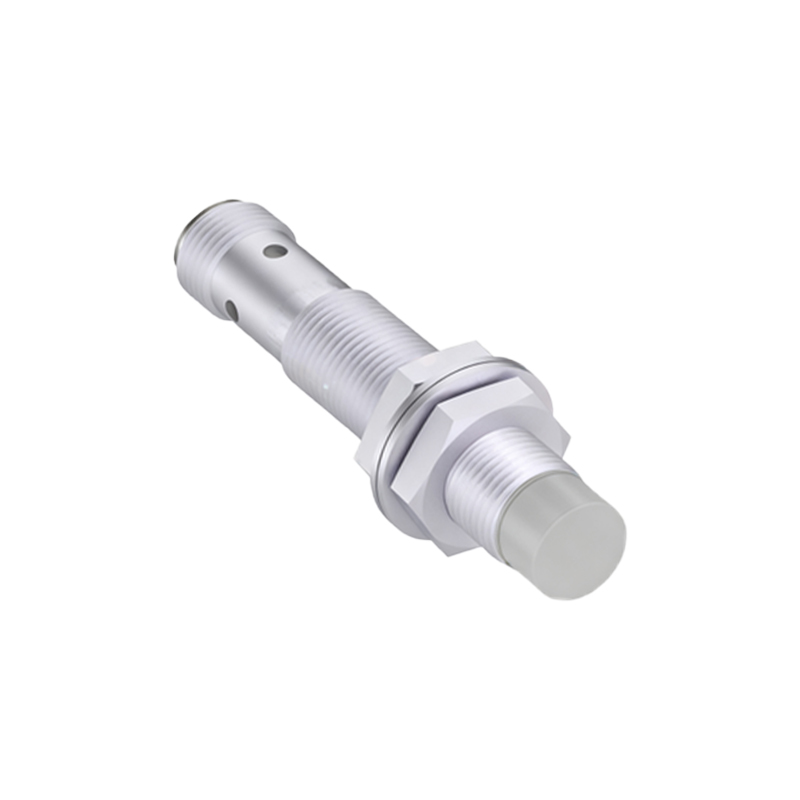
The selection of the potting material is a science in itself, tailored to the sensor's specific technology and operating environment. Common materials include:
Epoxy Resins: Known for high hardness, excellent chemical resistance, and strong adhesion. They provide a rigid, durable shell suitable for many industrial applications.
Silicone Elastomers: Offer superior flexibility, a wide operating temperature range, and excellent moisture resistance. Their elasticity makes them ideal for sensors exposed to extreme thermal cycling or mechanical stress.
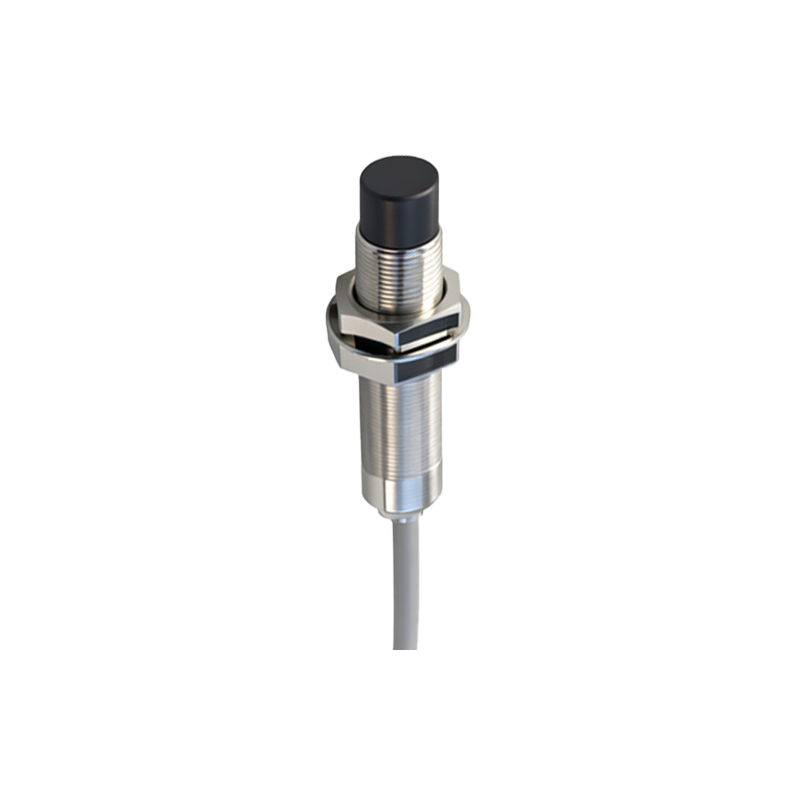
Polyurethane Resins: A balance between epoxy and silicone, offering good moisture resistance, moderate flexibility, and dampening properties for vibration.
The potting process requires precision. It typically involves degassing the mixed compound to remove air bubbles, carefully dispensing it into the sensor housing to fully encapsulate the circuitry, and then curing it under controlled conditions. Inadequate potting—such as incomplete coverage, air pockets, or using an incompatible material—can lead to premature failure. Stress points may develop, thermal pathways can be blocked, or the material itself might chemically attack sensitive components.
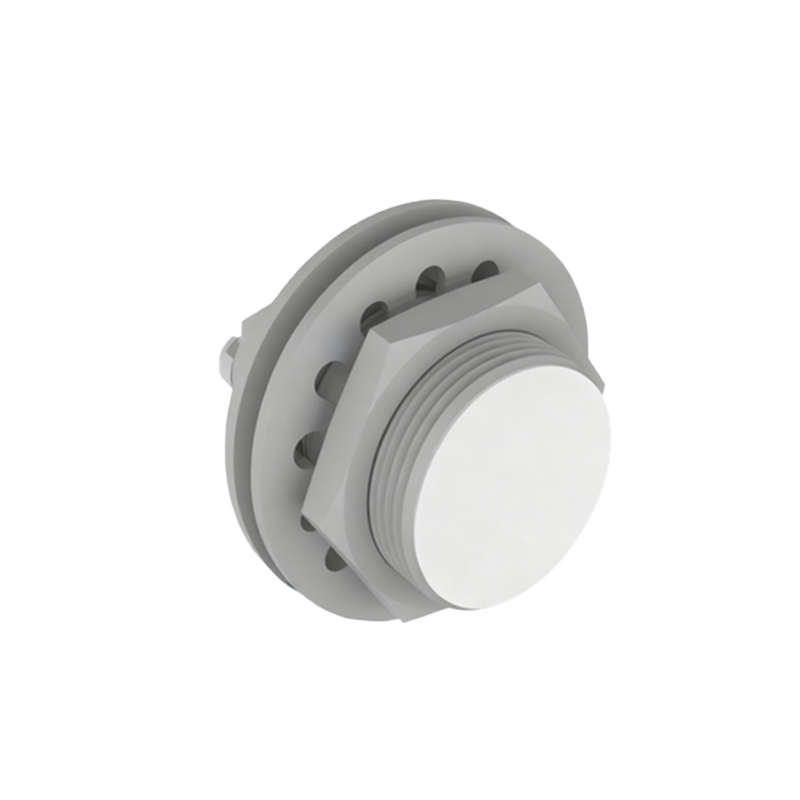
For engineers and procurement specialists, understanding the potting specifications is key. Factors to consider include the sensor's Ingress Protection (IP) rating, which is often elevated to IP67, IP68, or IP69K through potting, its operational temperature range, and any industry-specific certifications required (e.g., for food and beverage or automotive applications). A well-potted sensor, while sometimes having a slightly higher initial cost, delivers immense value through reduced downtime, lower maintenance costs, and extended service life.
In conclusion, potting is far more than just filling a housing with胶 (jiāo). It is a critical, engineered process that transforms a delicate electronic assembly into a ruggedized, reliable industrial component. For proximity sensors tasked with performing flawlessly on factory floors, in outdoor equipment, or in chemically aggressive settings, expert potting is the invisible shield that guarantees precision and longevity, ensuring continuous and accurate operation in the most demanding conditions.