Proximity sensors are a cornerstone of modern automation, providing non-contact detection of objects. However, when the target is water or other liquids, the application presents a unique set of challenges and opportunities. Unlike solid objects, liquids lack a definitive, stable edge and can exhibit properties like transparency, surface tension, and flow that complicate reliable sensing. This article explores the intersection of proximity sensing and liquid detection, focusing on the principles, suitable technologies, and practical considerations for using proximity sensors with water.
The core function of a proximity sensor is to detect the presence or absence of an object within a specified range without physical contact. When applied to water, the goal is often to determine liquid level, detect leaks, or monitor the presence/absence of a fluid in a pipe or tank. Several sensor technologies are employed for this purpose, each with distinct advantages and limitations in aqueous environments.
Capacitive proximity sensors are frequently the preferred choice for liquid detection. They operate by generating an electrostatic field and detecting changes in capacitance caused by the intrusion of a target object. Since water has a high dielectric constant, it significantly alters the sensor's field, making it easily detectable even through non-metallic container walls. This allows for non-invasive level sensing in tanks made of plastic or glass. Key advantages include the ability to detect various liquids regardless of color or transparency and insensitivity to surface conditions like ripples. However, they can be influenced by material buildup on the container or sensor face and require careful calibration to distinguish between the liquid and the container itself.
Ultrasonic proximity sensors use sound waves to measure distance to a target. They emit high-frequency pulses and calculate the time taken for the echo to return. For water level sensing, the sensor is typically mounted at the top of a tank, measuring the distance to the water surface. They are excellent for continuous level monitoring in large vessels and are unaffected by the liquid's properties such as conductivity, color, or dielectric constant. Challenges include interference from foam, vapor, or turbulent surfaces, which can scatter the sound waves. Temperature variations can also affect the speed of sound, requiring compensation for high-accuracy applications.
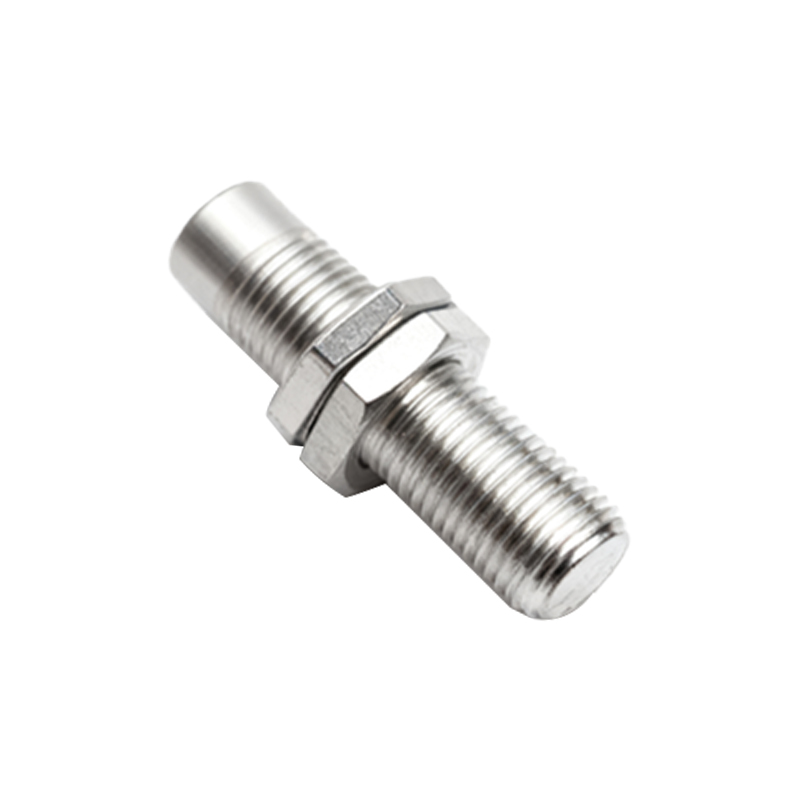
Optical proximity sensors, including infrared (IR) types, function by emitting a light beam and detecting its reflection. In clear liquids, they can be used for level detection by positioning a sensor where the light path is interrupted by the rising liquid. They are fast and precise. However, their performance is heavily compromised by opaque, cloudy, or bubbly liquids. Condensation, dirt, or algae growth on the sensor lens or tank wall can also cause false readings, making maintenance critical in industrial settings.
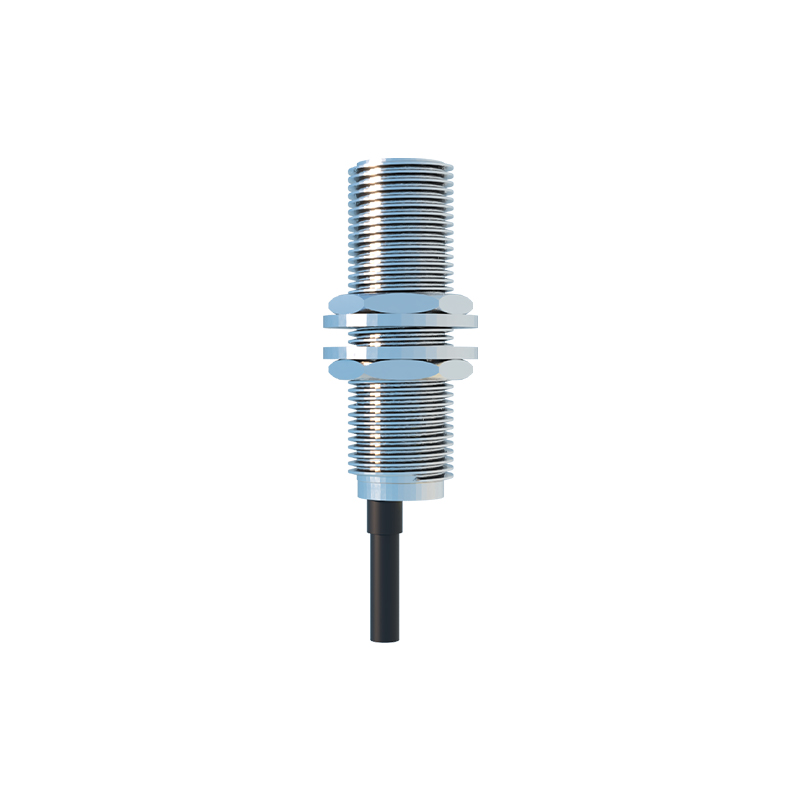
Inductive proximity sensors, which detect metallic objects, are generally unsuitable for detecting water directly, as water is non-metallic. Their application is limited to detecting a float with a metallic component that moves with the liquid level.
Implementing proximity sensors for water involves several practical considerations. Sensor housing is paramount; it must have an appropriate Ingress Protection (IP) rating (e.g., IP67, IP68, IP69K) to withstand splashing, immersion, or high-pressure washdowns, especially in food processing or pharmaceutical industries. Chemical compatibility is another concern, as sensors exposed to seawater, acids, or cleaning agents must be constructed from resistant materials like stainless steel or specific plastics.
Calibration and installation are crucial for reliability. Sensors must be positioned to avoid dead zones, turbulence, or adhesion of bubbles. For capacitive sensors, the influence of the container material must be nulled out during setup. Environmental factors such as ambient temperature swings, humidity, and electrical noise from pumps or motors can also impact sensor performance and must be mitigated through proper shielding and sensor selection.
In conclusion, using proximity sensors for water detection is both viable and widespread, but it demands a thoughtful approach. Capacitive sensors offer versatile non-contact detection through walls, ultrasonic sensors provide robust long-range level measurement, and optical sensors deliver precision in controlled, clean conditions. The success of an application hinges on selecting the right technology for the specific liquid properties, environmental conditions, and performance requirements, coupled with correct installation and ongoing maintenance. As sensor technology advances, improvements in signal processing and material science continue to enhance the reliability and capabilities of these systems in managing the unique challenges posed by liquids.