In industrial automation, manufacturing, and outdoor applications, proximity sensors play a critical role in detecting the presence or absence of objects without physical contact. However, their consistent operation is heavily dependent on one crucial factor: protection performance. This refers to a sensor's ability to withstand environmental stressors that could otherwise lead to premature failure, inaccurate readings, or complete malfunction. Understanding and specifying the right level of protection is not an optional step but a fundamental requirement for system reliability and total cost of ownership.
The primary threats to proximity sensors are particulate solids (like dust, metal shavings, and flour) and liquids (such as water, oil, and coolants). To standardize the degree of protection provided by electrical enclosures, including sensors, the International Electrotechnical Commission (IEC) established the Ingress Protection (IP) rating system. This code, such as IP67 or IP69K, is the first line of defense in specification. The first digit indicates protection against solids, ranging from 0 (no protection) to 6 (dust-tight). The second digit indicates protection against liquids, from 0 to 9K, with ratings like 5 (water jets), 6 (powerful water jets), 7 (immersion up to 1m), and 9K (high-pressure, high-temperature washdowns). For a sensor in a food processing plant facing daily high-pressure cleaning, an IP69K rating is essential. In a dusty warehouse, an IP6X rating is a minimum.
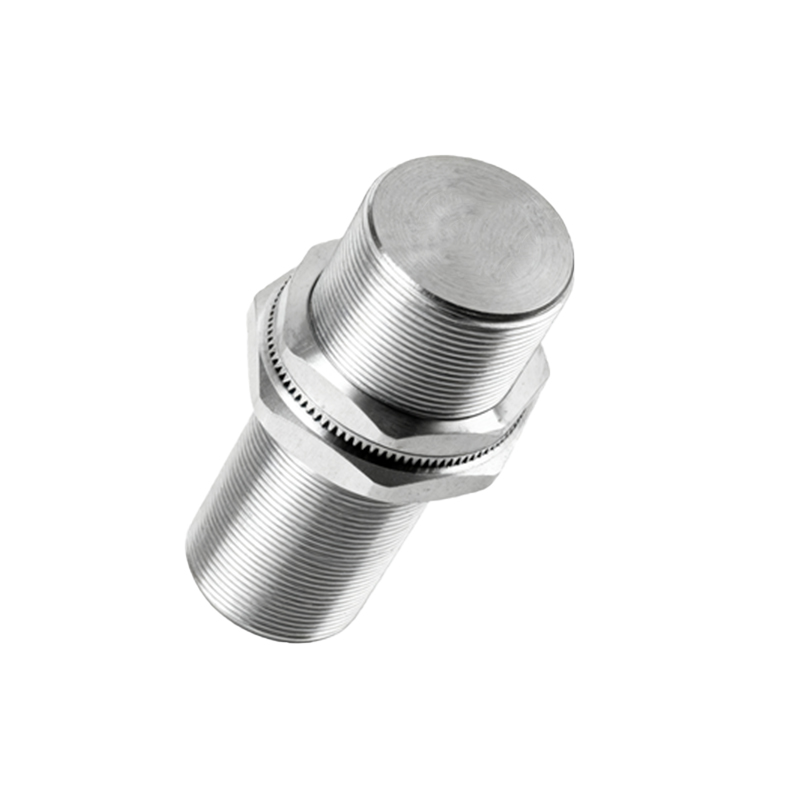
Beyond the IP code, mechanical and chemical resistance are equally vital. The housing material determines durability against impact, vibration, and corrosion. Stainless steel housings (often 303, 304, or 316 grades) offer excellent corrosion resistance against oils, coolants, and mild chemicals, making them ideal for machining centers and washdown areas. Brass or nickel-plated brass housings provide good general-purpose performance. For extreme chemical exposure, such as in pharmaceutical or chemical plants, sensors with PPS (polyphenylene sulfide) or PVDF (polyvinylidene fluoride) housings may be necessary. The sensor face, typically made of PBT, PTFE, or ceramic, must also resist abrasion from materials and cleaning processes.
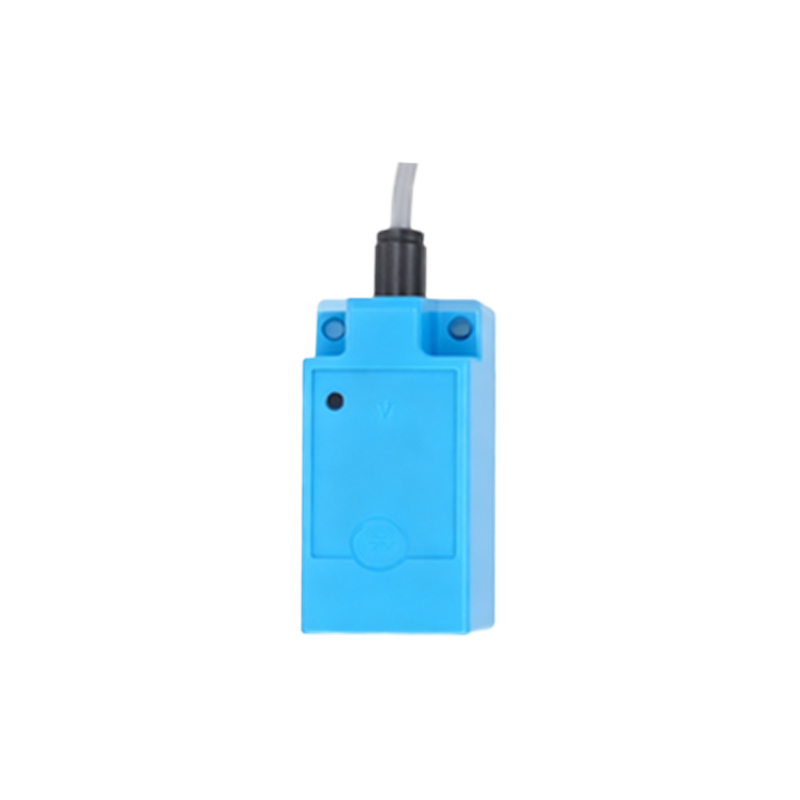
Electrical interference, known as Electromagnetic Interference (EMI) or Radio Frequency Interference (RFI), can cause erratic switching or signal noise. Proximity sensors in environments with variable frequency drives, welding equipment, or large motors require robust shielding and design to meet EMI/RFI immunity standards like IEC 60947-5-2. Look for sensors explicitly tested and rated for high-noise environments. Furthermore, extreme temperatures can affect performance. Standard sensors operate between -25°C and 70°C, but specialized variants exist for cryogenic applications or foundries where ambient temperatures soar. Thermal cycling can cause condensation inside the housing, which is addressed by potting—filling the internal cavity with a resin compound that seals out moisture and provides additional mechanical stability.
The consequences of inadequate protection are severe. A sensor failure on a high-speed packaging line can cause hours of downtime and significant production loss. Inaccurate detection in an automotive assembly robot could lead to defective products or safety incidents. Therefore, a thorough environmental audit is the first step in selection. Assess the presence of dust, liquids, chemicals, expected temperature ranges, potential for physical impact, and sources of electrical noise. Always choose a sensor with a protection rating that exceeds the worst-case scenario in the application. Do not assume an IP67 sensor is suitable for a high-pressure washdown; IP67 is for temporary immersion, not directed high-pressure streams.
Regular maintenance, within the sensor's design parameters, also supports long-term protection. This involves inspecting the sensor face for buildup, checking housing integrity for cracks or corrosion, and ensuring cable conduits or connectors (rated at IP67 or higher) remain sealed. Using sensors with built-in diagnostic LEDs can help identify issues before they cause a process stop.
In conclusion, the protection performance of a proximity sensor is its shield against the real-world conditions of industrial operation. It is a composite of ingress protection, material science, electrical design, and thermal management. Specifying a sensor based solely on sensing range or output type, while neglecting its environmental ratings, is a costly oversight. Investing in a correctly protected sensor ensures not just a single point of detection, but a robust link in the chain of operational continuity, safety, and productivity. By matching the sensor's armor to the battlefield of its application, engineers and plant managers secure reliability, reduce maintenance costs, and achieve a higher return on their automation investments.