Electromechanical proximity sensors are fundamental components in modern industrial automation, enabling non-contact detection of objects across countless applications. Their production is a sophisticated process that blends precision engineering, advanced materials science, and rigorous quality control. This article delves into the core stages of manufacturing these critical devices, outlining the methodologies and standards that define high-quality sensor production.
The manufacturing journey begins with meticulous design and prototyping. Engineers utilize advanced CAD software to model the sensor's internal architecture, which typically includes an oscillator circuit, a sensing coil or surface, a signal amplifier, and an output switching component. This phase involves extensive simulation to ensure optimal electromagnetic field generation, sensing range, and immunity to environmental interference such as temperature fluctuations and electrical noise. Prototypes are rigorously tested under simulated real-world conditions to validate performance specifications like switching frequency, repeat accuracy, and housing integrity.
Following design validation, the production of core electronic components commences. Printed Circuit Board (PCB) fabrication is a critical step. Automated assembly lines populate these PCBs with surface-mount devices (SMDs) like resistors, capacitors, and integrated circuits. Reflow soldering ovens create permanent, reliable electrical connections. The sensing element, often a wound coil or a specially shaped ferrite core, is manufactured with extreme precision. The number of windings, wire gauge, and core material—commonly ferrite or a specialized metal alloy—are precisely controlled, as these factors directly determine the sensor's sensitivity and effective sensing distance.
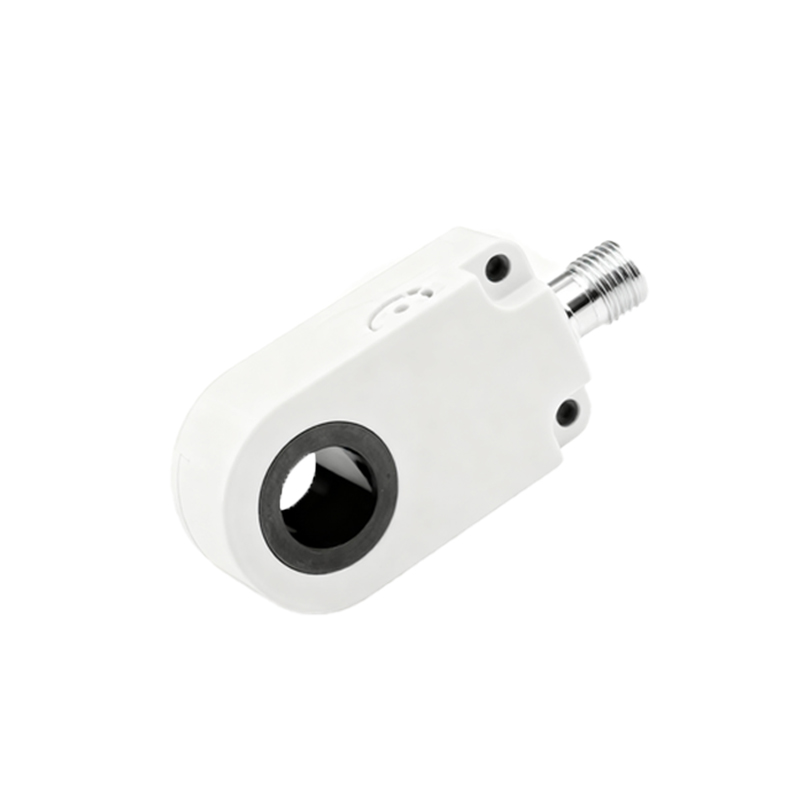
The assembly phase integrates these electronic components into a robust housing. Housings are typically molded from engineering-grade plastics (like PBT or PPS) for standard models or stainless steel for heavy-duty and hygienic applications. The material selection is crucial for providing environmental protection, often meeting IP67 or IP69K ratings for resistance to dust, water, and chemical exposure. The internal assembly is a delicate operation where the PCB is securely fitted, and the sensing face is precisely aligned and potted with a specialized epoxy resin. This potting compound encapsulates the electronics, providing exceptional mechanical stability, vibration resistance, and protection against moisture ingress, which is vital for long-term reliability.
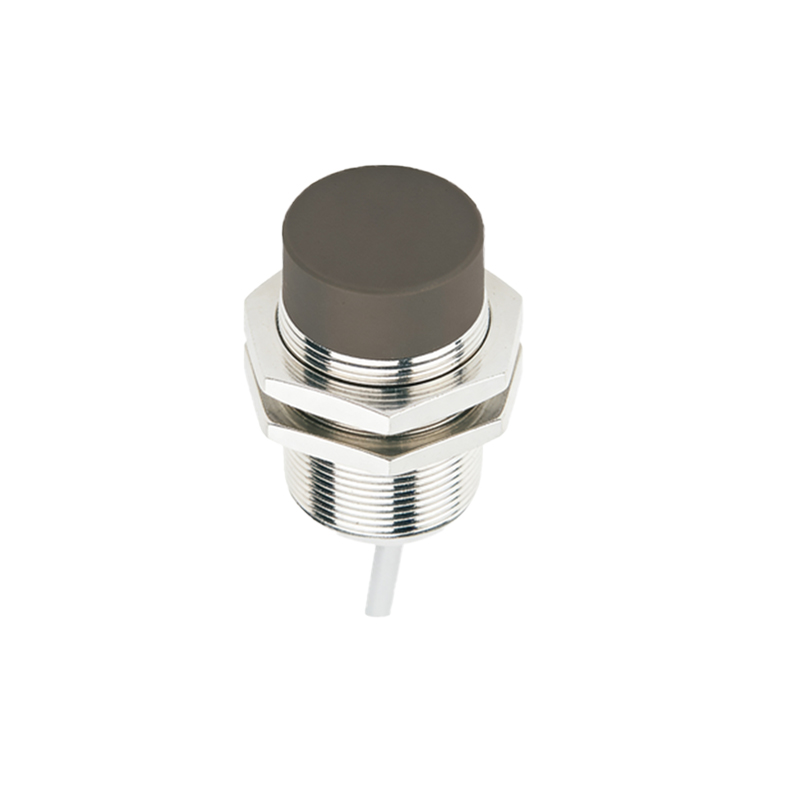
Calibration and testing form the backbone of quality assurance. Each sensor undergoes individual calibration to ensure its switching point is within the specified tolerance. This is performed using automated test rigs with precision-positioned target objects. Sensors are tested for key parameters: the nominal sensing distance (Sn), hysteresis, operating voltage range, output signal integrity, and temperature drift. Environmental stress tests, including thermal cycling and vibration tests, are conducted on batch samples to validate durability. Only sensors passing 100% of these functional and performance tests proceed to final packaging.
The final stage involves labeling, packaging, and documentation. Each unit is marked with its model number, electrical specifications, and certification logos (e.g., CE, UL). Comprehensive technical datasheets are supplied, detailing electrical connections, mounting instructions, and performance graphs. Modern production facilities emphasize traceability, with lot numbers allowing tracking of components throughout the supply chain.
In conclusion, the production of electromechanical proximity sensors is a highly disciplined process that transforms raw materials into reliable, intelligent switching devices. From initial design to final testing, each step is governed by a commitment to precision, durability, and consistency. This rigorous approach ensures that these sensors meet the demanding requirements of industries ranging from automotive assembly and packaging machinery to food processing and robotics, forming an invisible yet essential layer of the automated world.