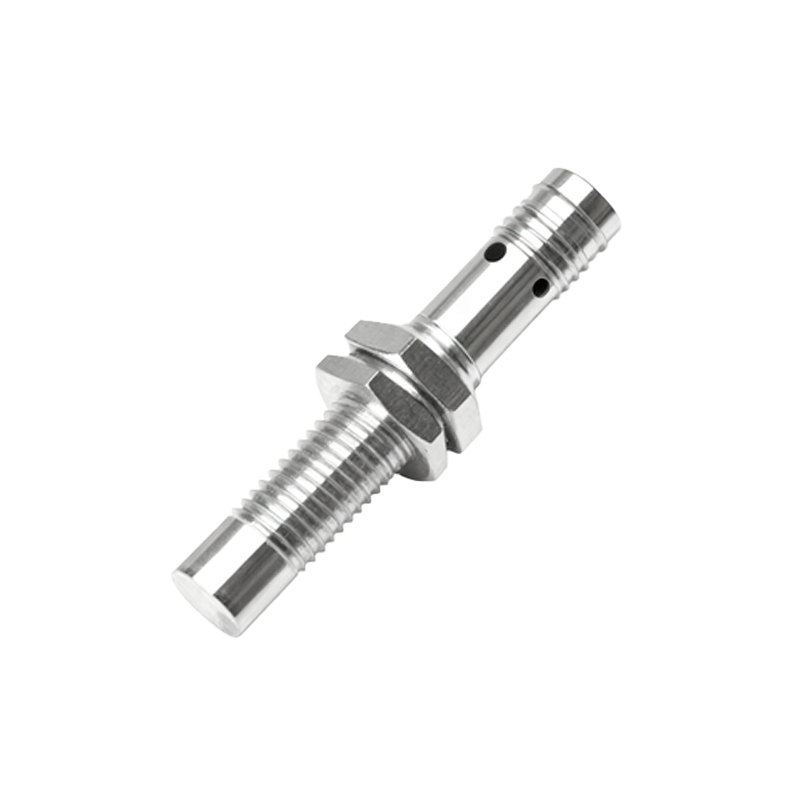
Proximity sensors are indispensable components in modern industrial automation, robotics, and countless electronic devices. When planning a project or system upgrade, understanding the cost landscape is crucial for budgeting and component selection. The price of a proximity sensor is not a single fixed number; it is a variable influenced by a complex interplay of technical specifications, performance requirements, and market factors.
At the most fundamental level, the operating principle or technology type is the primary cost driver. Inductive proximity sensors, which detect metallic objects, are generally the most economical option for standard industrial applications. Their widespread use and mature manufacturing processes keep prices competitive. Capacitive sensors, capable of detecting both metallic and non-metallic materials like plastics, liquids, or wood, typically come at a moderate price point, slightly higher than their inductive counterparts. For applications requiring long-range detection or precise positioning, photoelectric sensors (using infrared or laser light) present a broader price range. Basic diffuse models are affordable, while advanced, long-range, or background suppression models command higher prices. The most sophisticated and expensive category is often ultrasonic sensors and specialized variants like magnetic proximity sensors, used in unique safety or high-precision scenarios.
Beyond the core technology, performance specifications directly correlate with cost. Sensing range is a key factor; a sensor with a 2mm range will cost significantly less than one rated for 20mm or 50mm. The required precision and repeatability also impact price. A sensor with a tolerance of ±0.1% will involve more calibrated components and rigorous testing than one with ±5% tolerance. Output configuration matters: sensors with simple Normally Open (NO) or Normally Closed (NC) transistor outputs are standard. Models offering analog outputs (4-20mA, 0-10V) for distance proportionality, or specific communication protocols like IO-Link for digital data exchange, add complexity and cost. Environmental ratings are non-negotiable for many industries. A standard IP67-rated sensor (dust-tight and protected against temporary immersion) is common. However, sensors designed for extreme conditions—featuring higher IP69K ratings (for high-pressure, high-temperature washdown), exceptional chemical resistance, or extended temperature ranges (-40°C to 100°C)—require specialized materials and sealing, increasing the price substantially.
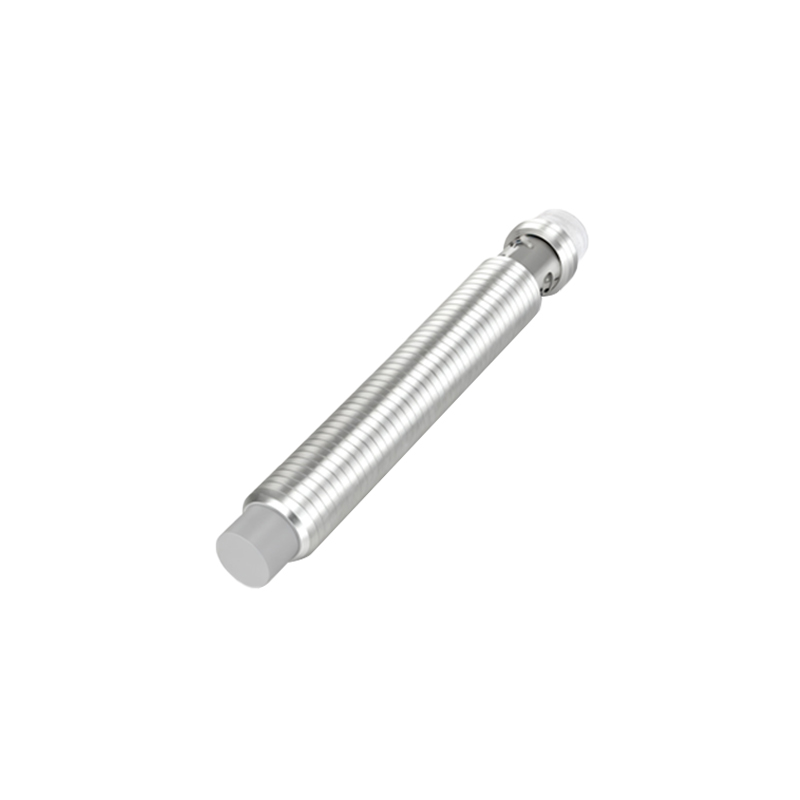
The physical build and housing material contribute to the bill of materials. Standard cylindrical housings in nickel-plated brass or stainless steel are cost-effective. Compact, rectangular, or specialized form factors, and housings made from high-grade stainless steel (e.g., 316L) for corrosive environments, add to the unit cost. Brand reputation and associated services form another layer. Established global brands (e.g., Siemens, Omron, Pepperl+Fuchs, Schneider Electric) often price their sensors at a premium, justified by proven reliability, extensive global distribution, comprehensive technical support, and longer warranty periods. Generic or lesser-known brands may offer similar specifications at a lower initial cost, which can be attractive for non-critical applications, though potentially with trade-offs in longevity or support.
Purchase volume is a universal economic principle. Buying individual sensors from a distributor will incur the highest unit price. Original Equipment Manufacturer (OEM) discounts become significant for bulk orders of hundreds or thousands of units, dramatically reducing the per-piece cost. Furthermore, the supply chain source—whether purchasing from an authorized local distributor, directly from the manufacturer, or through online marketplaces—affects final pricing due to logistics, import duties, and value-added services.
As a general price reference (note: prices fluctuate and are for illustration), a basic, short-range inductive sensor might cost between $15 and $40. A standard capacitive or photoelectric sensor often ranges from $30 to $80. High-performance, long-range, or analog-output sensors can range from $80 to $250 or more. Niche or extreme-environment sensors easily exceed $300 per unit. It is vital to view cost through the lens of Total Cost of Ownership (TCO). A slightly more expensive sensor from a reputable brand with a longer Mean Time Between Failure (MTBF) can prevent costly production downtime, maintenance labor, and replacement expenses, offering far better value over its operational lifespan.
Therefore, the question "How much does a proximity sensor cost?" is best answered by first defining the application's specific needs: What material must be detected? At what distance and precision? In what environmental conditions? With what output signal? By carefully specifying these parameters, engineers and purchasers can navigate the market effectively, balancing upfront investment with long-term performance and reliability to find the optimal cost-for-value solution for their unique application.