LiDAR, which stands for Light Detection and Ranging, has become a cornerstone technology for advanced driver-assistance systems (ADAS) and autonomous vehicles. Unlike cameras or radar, LiDAR sensors create a high-resolution, three-dimensional map of the environment by emitting laser pulses and measuring the time it takes for them to bounce back. For this system to function effectively, the placement of these sensors on the vehicle's exterior is a critical engineering decision, balancing field of view, protection, and aesthetics.
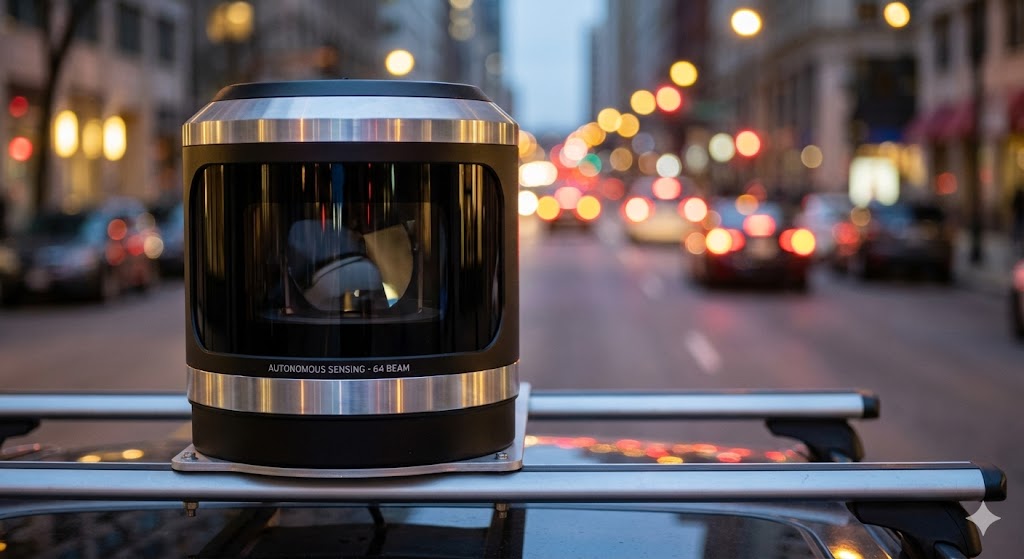
The most common and strategic location for a primary LiDAR sensor is on the roof, near the top of the windshield. This elevated position provides the sensor with the broadest possible 360-degree field of view. Mounted on the roof, the sensor has an unobstructed vantage point, minimizing blind spots caused by the vehicle's own bodywork, such as the hood, trunk, or pillars. This panoramic perspective is essential for building a complete real-time model of the surroundings, including distant objects, cross-traffic, and complex intersections. Many development vehicles and early commercial models like certain versions of the Waymo driverless car utilize prominent roof-top "spinning" LiDAR units for maximum data collection.
However, the roof-top placement is not always ideal for mass-production consumer cars due to aesthetic concerns, increased wind noise, and potential vulnerability. Consequently, automakers are increasingly integrating LiDAR sensors into the vehicle's front end. Common integration points include within the front grille, behind the windshield near the rearview mirror assembly, or embedded into the front bumper. Placement in the grille or bumper offers a low, forward-looking perspective that is excellent for detecting low-lying obstacles, road curvature, and pedestrians near the vehicle's immediate path. Sensors located behind the windshield are protected from weather and debris but must contend with potential optical distortions from the glass and limitations in field of view due to windshield wiper coverage and roof pillars.
For comprehensive perception, a single sensor is often insufficient. Therefore, high-end autonomous systems employ a sensor suite with LiDAR units at multiple locations. In addition to the primary front-facing or roof-top sensor, vehicles may feature:

* Front Corners / Fenders: Sensors placed here enhance perception at intersections, aiding in seeing around corners and detecting vehicles or cyclists in adjacent lanes.
* Side Sills or Rocker Panels: These sensors are crucial for monitoring blind spots along the length of the vehicle, detecting objects when changing lanes, and creating a seamless model of the immediate vicinity.
* Rear Bumper or Trunk Lid: Rear-facing LiDAR sensors provide critical data for rear cross-traffic alert, autonomous parking, and understanding traffic approaching from behind.
The chosen location directly impacts the sensor's performance. Engineers must consider several factors:
* Field of View (FOV): Does the placement offer the necessary horizontal and vertical coverage for its intended function (e.g., long-range forward detection vs. short-range side monitoring)?
* Exposure to Elements: Sensors must be designed and placed to withstand direct impact from rain, snow, mud, and road debris. Bumper placements require particularly robust housing.
* Thermal Management: LiDAR units generate heat and must operate in varying climates. Placement affects how heat is dissipated.
* Calibration and Alignment: The sensor's position must be precisely known and stable. Any shift after a minor impact could require recalibration for the system to function safely.
* Cosmetic Integration: For consumer acceptance, designers strive to make sensors as discreet as possible, blending them into the vehicle's natural lines, like headlights or grille accents.
In summary, there is no single answer to where automotive LiDAR sensors are located. The architecture is evolving from conspicuous roof-top modules to a distributed network of smaller, more discreet sensors integrated into the vehicle's body. The modern approach involves a fusion of data from LiDAR sensors at the front, sides, and rear—each positioned to cover a specific zone—creating a cohesive and reliable perception system that is fundamental to the safety and capability of tomorrow's automated vehicles.