In the fast-paced world of modern logistics, efficiency and reliability are paramount. Specialized proximity sensors have emerged as critical components in logistics equipment, enabling seamless automation, enhancing safety, and optimizing operational workflows. These sensors are designed to detect the presence or absence of objects without physical contact, making them ideal for the demanding environments of warehouses, distribution centers, and transportation systems.
Logistics operations rely heavily on automated systems such as conveyor belts, robotic arms, automated guided vehicles (AGVs), and sorting machines. Proximity sensors play a vital role in these applications by providing real-time data on object positioning, movement, and alignment. For instance, inductive proximity sensors are commonly used to detect metallic objects like pallets or containers, ensuring precise handling and reducing the risk of collisions. Capacitive sensors, on the other hand, can identify non-metallic materials such as cardboard boxes or plastic packages, facilitating versatile sorting processes.
The integration of proximity sensors in logistics equipment offers numerous benefits. First, they contribute to increased productivity by enabling continuous, uninterrupted operations. Sensors can trigger automated actions, such as starting or stopping conveyor belts when items are detected, minimizing manual intervention and speeding up throughput. Second, they enhance safety by preventing accidents. For example, sensors installed on AGVs can detect obstacles in their path, allowing for immediate stops or rerouting to avoid collisions with personnel or other equipment. This not only protects assets but also ensures a safer working environment for employees.
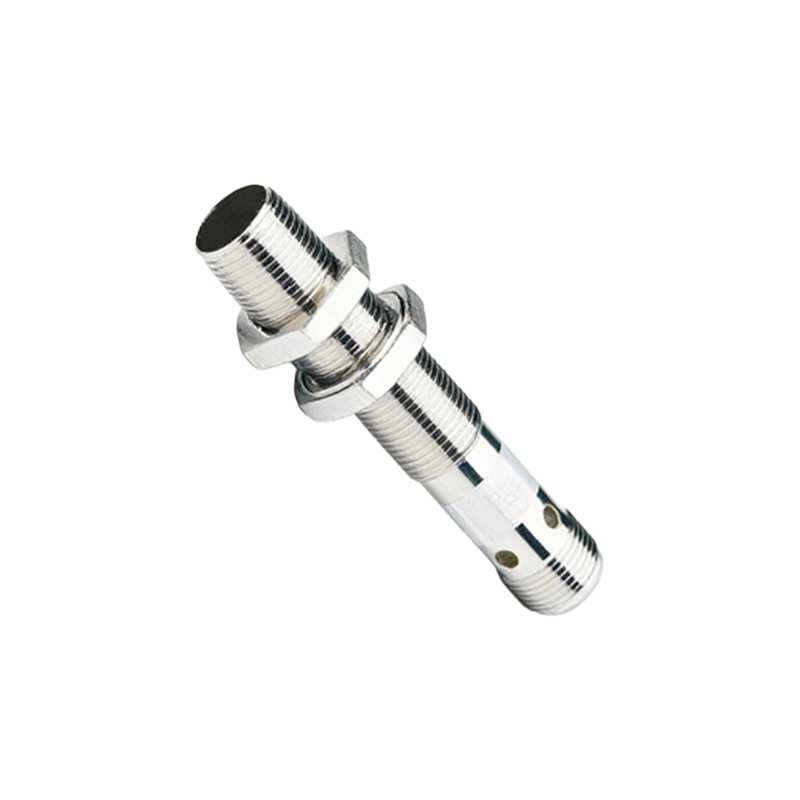
Durability is a key consideration in logistics environments, where equipment is exposed to dust, moisture, vibrations, and temperature fluctuations. Specialized proximity sensors are built to withstand these harsh conditions. Many models feature rugged housings, high ingress protection (IP) ratings, and resistance to electromagnetic interference. This robustness ensures long-term reliability and reduces maintenance needs, leading to lower operational costs.
Advancements in sensor technology have further expanded their applications in logistics. Smart sensors with integrated connectivity options, such as IO-Link or Ethernet, enable seamless integration into Industrial Internet of Things (IIoT) systems. These sensors can transmit data to central control units, allowing for predictive maintenance, real-time monitoring, and data-driven decision-making. For instance, by analyzing sensor data, logistics managers can identify bottlenecks in workflows, optimize inventory management, and improve overall supply chain visibility.
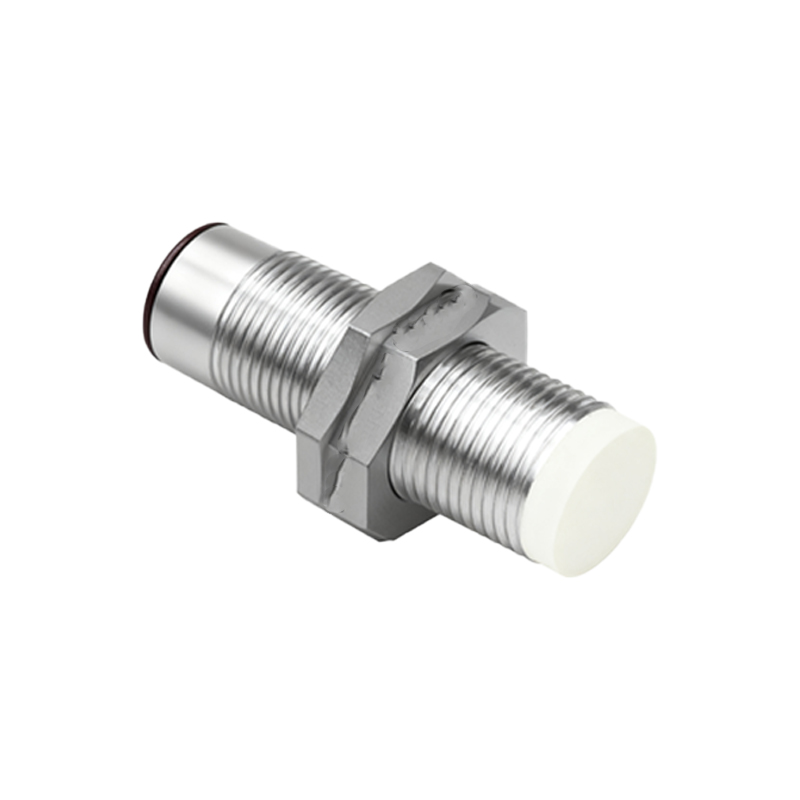
In automated storage and retrieval systems (AS/RS), proximity sensors are indispensable for precise positioning of racks and retrieval mechanisms. They ensure that items are accurately placed and retrieved, reducing errors and enhancing storage density. Similarly, in packaging lines, sensors verify the presence of products, labels, or seals, maintaining quality control and compliance with industry standards.
The future of logistics is increasingly driven by automation and digitalization. Proximity sensors will continue to evolve, incorporating features like higher sensing ranges, improved accuracy, and energy efficiency. As logistics companies strive to meet growing demands for speed and accuracy, investing in specialized proximity sensors becomes essential for staying competitive.
In conclusion, specialized proximity sensors are foundational to modern logistics equipment, enabling automation, safety, and efficiency. Their ability to operate reliably in challenging environments, coupled with technological innovations, makes them invaluable assets in the logistics industry. By leveraging these sensors, businesses can streamline operations, reduce costs, and enhance customer satisfaction through faster and more reliable delivery services.