In the seamless interaction between humans and technology, a silent yet crucial component often goes unnoticed: the proximity sensor. This unassuming piece of technology is a cornerstone of modern device functionality, enabling features we now take for granted. At its core, a proximity sensor detects the presence or absence of nearby objects without any physical contact. It achieves this by emitting an electromagnetic field or a beam of radiation, such as infrared light, and then looking for changes in the field or return signal. The object being sensed is often referred to as the sensor's target.
The principle of operation varies, leading to several common types. Infrared (IR) sensors are among the most prevalent, particularly in consumer electronics. They consist of an IR LED that emits light and a photodiode that detects its reflection. When an object comes close, the reflected light intensity changes, triggering the sensor. This is the technology behind your smartphone screen turning off during a call when held to your ear, conserving battery and preventing accidental touch inputs. Another widespread type is the capacitive proximity sensor. These sensors detect changes in capacitance caused by a conductive target entering their electrostatic field. They are ideal for sensing materials like metals, water, or even the human body, and are commonly used in touch-sensitive buttons and liquid level detection systems.
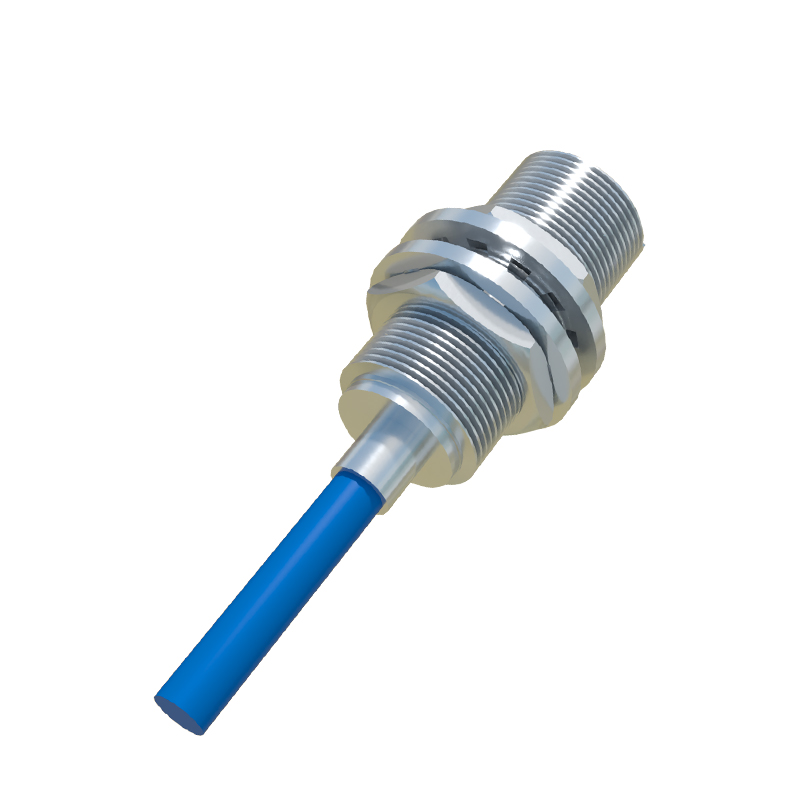
Inductive proximity sensors, on the other hand, are workhorses in industrial automation. They generate an oscillating electromagnetic field and detect eddy current losses induced in metallic targets. Rugged, reliable, and unaffected by dust or dirt, they are perfect for counting metal parts on a conveyor belt, determining position limits, or ensuring machine safety. Ultrasonic sensors use sound waves beyond human hearing. They calculate distance by measuring the time between emitting a sound pulse and receiving its echo. These are excellent for longer ranges and can detect objects regardless of material, color, or transparency, making them suitable for parking assist systems, tank level monitoring, and robotics.
The applications of proximity sensing are vast and transformative. In the automotive sector, they are integral to parking assistance, blind-spot detection, and automatic braking systems, significantly enhancing safety. In retail and public spaces, they enable touchless faucets, soap dispensers, and hand dryers, promoting hygiene. Smart home devices use them to activate lighting or security systems upon detecting motion. Industrial manufacturing relies heavily on them for precise positioning, object counting, and ensuring robotic arms operate within safe parameters. Even in healthcare, they are used in equipment for non-contact monitoring and in automated dispensers.
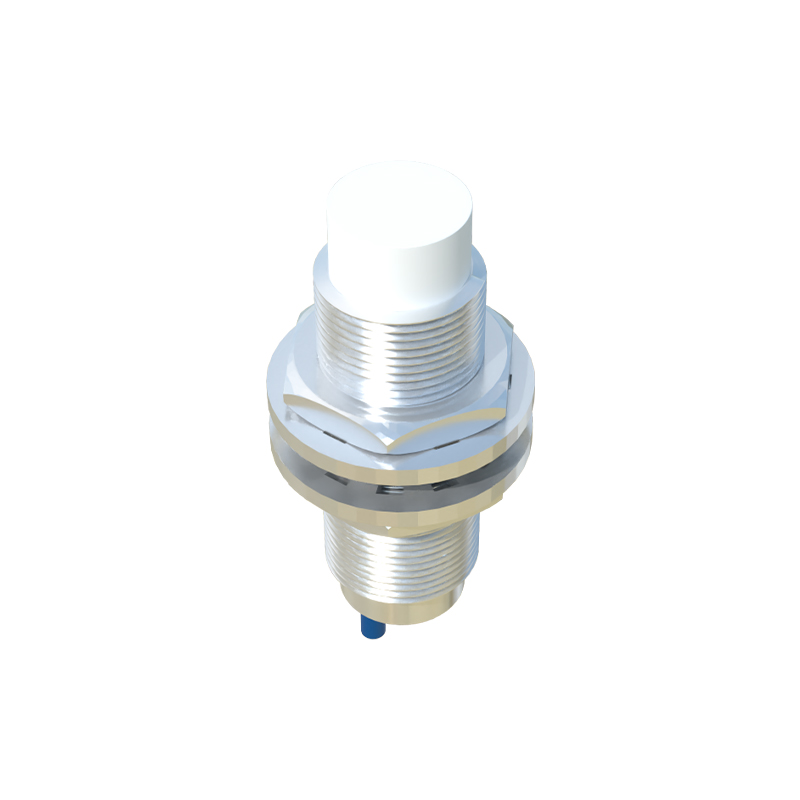
When selecting a proximity sensor for an application, several key specifications must be considered. Sensing range defines the maximum distance at which the sensor can reliably detect a target. Repeatability indicates how consistently the sensor detects a target at the same distance. Response time is the speed at which the sensor reacts to a target's presence or absence. Environmental factors like temperature, humidity, and the presence of contaminants (oil, dust) also dictate the choice of housing material and protection rating (e.g., IP67).
The future of proximity sensing is intertwined with the growth of the Internet of Things (IoT) and Artificial Intelligence (AI). Sensors are becoming smaller, more energy-efficient, and smarter. They are evolving from simple binary detection devices into sophisticated systems capable of measuring precise distance, speed, and even classifying object types. The integration of multiple sensing modalities—combining proximity, vision, and inertial sensors—is leading to more context-aware and intelligent systems. For instance, a smartphone might use data from its proximity sensor, accelerometer, and ambient light sensor to better manage power and user interface transitions.
From the smartphone in your pocket to the automated factory floor, proximity sensors perform a vital, invisible function. They bridge the gap between the physical and digital worlds, enabling devices to perceive and react to their surroundings. As technology continues to advance towards greater autonomy and interactivity, the humble proximity sensor will remain an essential enabler, its role only growing in sophistication and importance. Their continued development promises even more seamless, efficient, and intuitive interactions in our increasingly connected world.