In the world of automation, consumer electronics, and industrial safety, proximity sensors are the silent sentinels. Their core function—detecting the presence or absence of an object without physical contact—is fundamentally governed by the materials from which they are constructed. The choice of material is not merely a matter of housing; it directly influences the sensor's sensing principle, detection range, accuracy, environmental resilience, and ultimately, its suitability for a specific application. Understanding these materials is key to selecting the right sensor for the job.
The most common proximity sensors operate on inductive, capacitive, or photoelectric principles, each demanding distinct material sets. Inductive proximity sensors, workhorses in metal detection for machinery, rely on a coil wound around a ferrite core. This core is typically made from specialized ferrite materials like manganese-zinc or nickel-zinc. These materials are chosen for their high magnetic permeability, which concentrates the electromagnetic field generated by the coil, and their low electrical conductivity, which minimizes energy losses through eddy currents within the core itself. The active face of the sensor is then protected by a housing, often constructed from robust materials like nickel-plated brass or stainless steel (e.g., 303 or 316 grades). These metals provide excellent mechanical strength and corrosion resistance in harsh industrial environments filled with coolants, oils, and metal shavings. The plating ensures a consistent surface and can enhance chemical resistance.
Capacitive proximity sensors, capable of detecting both metallic and non-metallic objects like liquids, plastics, or wood, have a different material focus. Their sensing element consists of two conductive electrodes forming a capacitor. These electrodes are frequently made from metals with good conductivity and stability, such as copper or gold-plated alloys, arranged on a substrate. The critical component is the dielectric material that separates these electrodes and often forms the front face of the sensor. This dielectric must have stable electrical properties. Common choices include polytetrafluoroethylene (PTFE or Teflon®), ceramics, or specialized high-performance plastics like polyetheretherketone (PEEK). PTFE is prized for its exceptional chemical inertness, low moisture absorption, and non-stick properties, making it ideal for food, pharmaceutical, or chemical applications. Ceramics offer high-temperature stability and wear resistance. The housing for capacitive sensors might also use plastics like polyamide (PA) or polyvinyl chloride (PVC) for cost-effective solutions in less demanding settings.
Photoelectric sensors, which use light beams for detection, are defined by their optoelectronic materials. The heart of these sensors is the light emitter and receiver. For standard applications, light-emitting diodes (LEDs) are ubiquitous. The semiconductor material of the LED determines the wavelength. Gallium arsenide (GaAs) is common for infrared (IR) LEDs, offering high output and reliability. For visible red light, aluminum gallium arsenide (AlGaAs) is typical. For more demanding applications requiring long range or detection of specific colors, laser diodes built on materials like gallium nitride (GaN) are employed. The receiver is usually a phototransistor or photodiode made from silicon, which is sensitive to a broad spectrum including IR and visible light. The lens protecting these components is crucial. It is typically made from optical-grade plastics like polycarbonate (PC) or polymethyl methacrylate (PMMA/Acrylic) for general use, offering good clarity and impact resistance. For highly abrasive or chemically aggressive environments, lenses made from borosilicate glass or synthetic sapphire are used due to their extreme hardness and chemical durability.
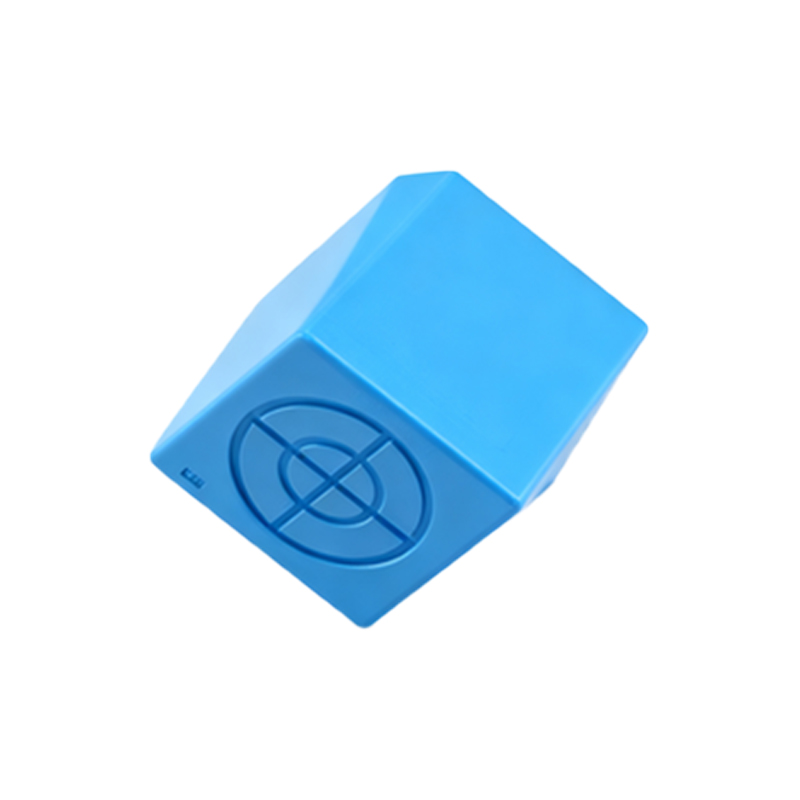
Beyond the active sensing materials, the encapsulant and housing play a vital role in longevity. Epoxy resins are widely used for potting and encapsulating internal electronics, providing superb protection against moisture, vibration, and thermal shock. For housings in extreme environments, engineers turn to advanced polymers like PEEK or Vespel®, which withstand continuous high temperatures, or to metals like stainless steel 316L for superior corrosion resistance in marine or chemical processing applications.
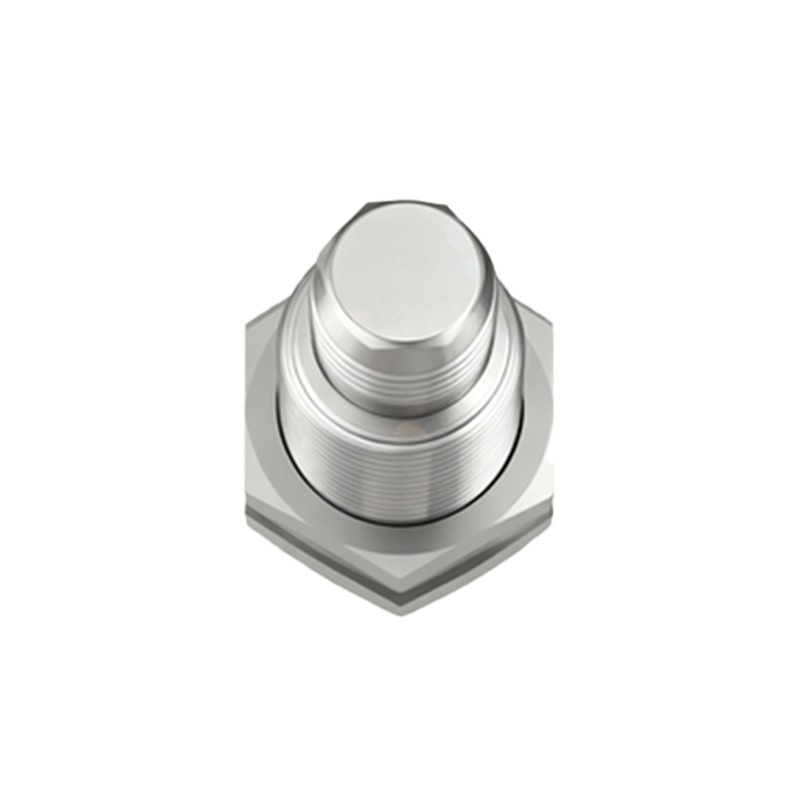
The interplay between material properties and performance is direct. A sensor with a ferrite core and stainless steel face is inherently shielded and ideal for metallic object detection in a dirty factory. A sensor with a PTFE face will perform reliably where sticky substances or aggressive cleaners are present. A photoelectric sensor with a sapphire lens will maintain optical clarity in a setting filled with abrasive dust. Selecting the wrong material can lead to premature failure, false triggering, or limited detection range.
In conclusion, the "magic" of proximity sensing is deeply rooted in materials science. From ferrite cores and conductive electrodes to semiconductor junctions and hardened lenses, each material is meticulously selected to enable a specific physical principle to work reliably under defined conditions. When specifying a proximity sensor, looking beyond the specifications sheet to understand its material composition is a critical step in ensuring robust, reliable, and