In the intricate world of modern electronics, where user experience reigns supreme, a tiny, often overlooked component plays a critical role in seamless operation: the top cover proximity sensor. This sophisticated piece of technology is a cornerstone of smart device functionality, working silently behind the scenes to enhance efficiency, conserve power, and prevent accidental inputs. Unlike its more famous counterparts like cameras or fingerprint scanners, the proximity sensor operates with a subtlety that belies its importance.
Fundamentally, a top cover proximity sensor is designed to detect the presence of nearby objects without any physical contact. Most commonly integrated into the upper bezel or frame of smartphones, tablets, and laptops—often near the earpiece or front-facing camera—it utilizes infrared (IR) or capacitive technology. An IR-based sensor emits an invisible beam of infrared light. When an object, such as your ear during a phone call or a hand in a pocket, comes close, the light reflects back to a receiver within the sensor. The device's processor interprets this signal and triggers a predefined action. Capacitive sensors, on the other hand, detect changes in an electrical field caused by conductive objects, like the human body.
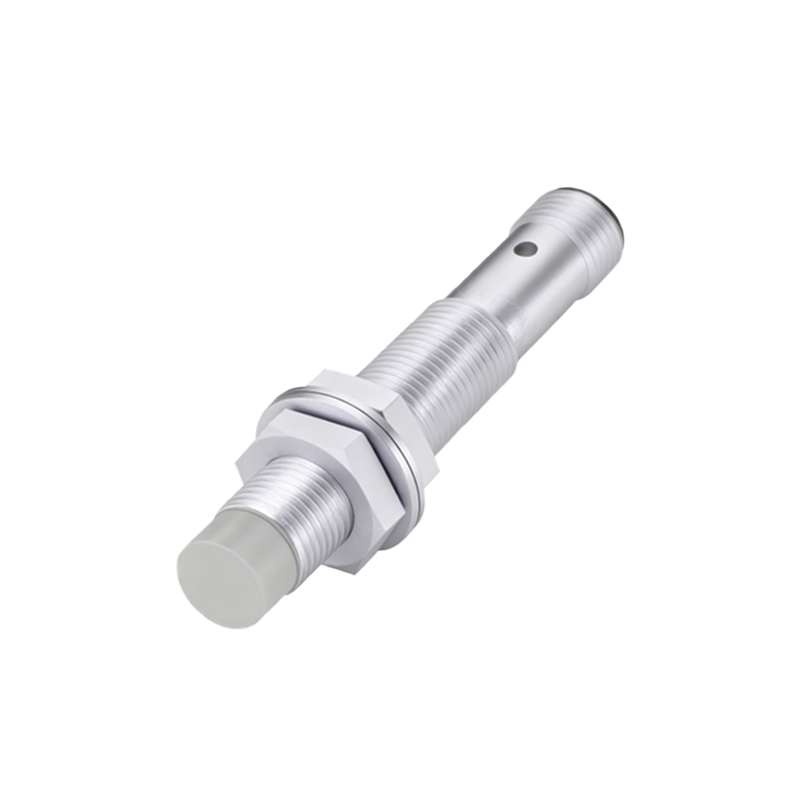
The most ubiquitous application is in smartphones during voice calls. When you raise the phone to your ear, the proximity sensor detects the closeness of your head and automatically turns off the display. This serves a dual purpose: it prevents accidental cheek presses from muting the call or activating other touchscreen functions, and it significantly reduces power consumption by disabling the backlight. Once you move the phone away, the screen instantly reactivates, allowing you to use the keypad or switch to speakerphone. This intuitive interaction feels natural, a testament to the sensor's flawless integration.
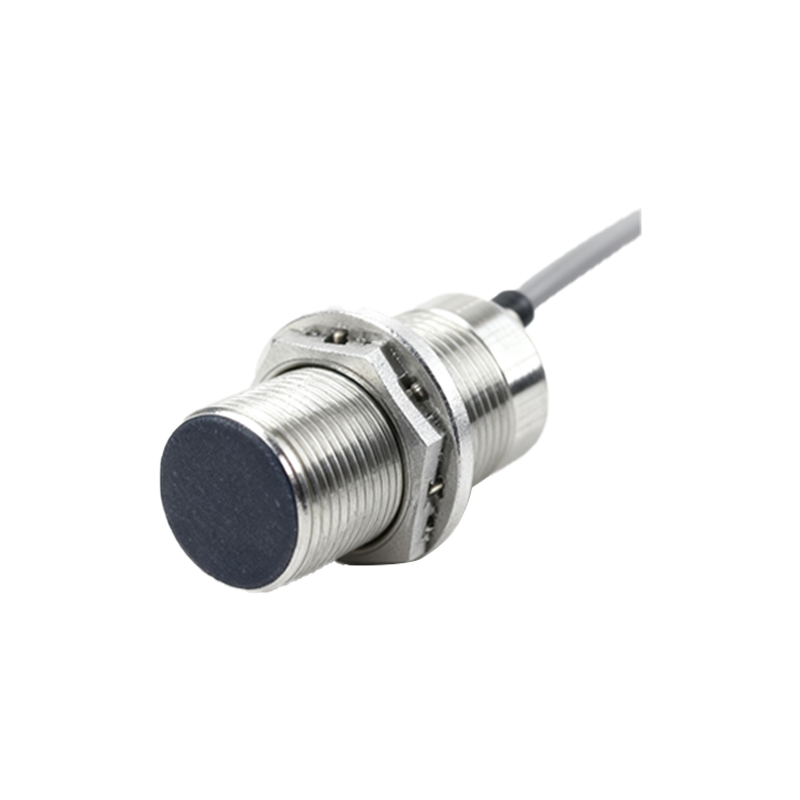
Beyond call management, the utility of the top cover proximity sensor extends into various domains of device management and user convenience. In laptops and tablets, it can be part of a broader "approach sensing" system. When a user walks away, the sensor can detect the absence and automatically lock the device or put it to sleep, enhancing security and battery life. Conversely, upon return, it can wake the device or trigger facial recognition for a swift, secure login—a feature often marketed as "Modern Standby" or similar. Some smart home devices and automotive infotainment systems also employ similar sensors to activate displays only when a user is present, reducing glare and power usage.
The engineering behind these sensors focuses on precision and reliability. Manufacturers must calibrate them to distinguish between intentional proximity (an ear) and environmental factors (the inside of a bag or pocket). Advanced algorithms filter out ambient light interference for IR sensors and ignore non-conductive materials for capacitive ones. This ensures a low false-positive rate, which is crucial for user trust. The sensor's placement under the top cover glass or plastic also requires careful optical design for IR types to ensure the emitted and received light paths are not obstructed, maintaining sensitivity.
Looking forward, the role of the top cover proximity sensor is evolving alongside new form factors. In foldable phones and devices with under-display cameras, integrating a functional sensor without compromising screen integrity or camera quality presents a fresh challenge. Innovations like miniaturized sensor packages and new optical materials are paving the way. Furthermore, its function is increasingly bundled with other sensors, such as ambient light sensors, into multi-purpose modules, contributing to the trend of smarter, more context-aware devices that anticipate user needs.
In essence, the top cover proximity sensor is a paradigm of elegant engineering—a component that solves practical problems so effectively that its operation becomes invisible to the end-user. It bridges the gap between the digital interface and the physical world, making our interactions with technology more fluid, efficient, and intuitive. Its continued development will be integral to creating the next generation of responsive and intelligent electronic devices, proving that sometimes the most impactful technologies are the ones we never see.