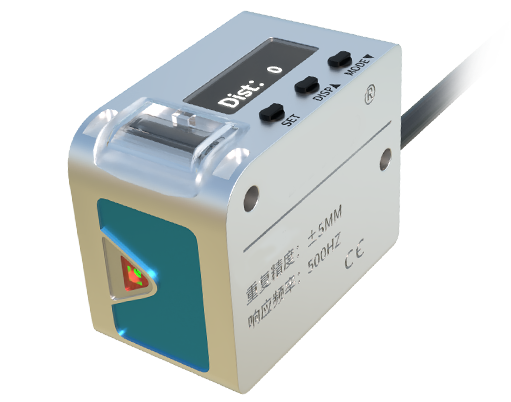
In the world of precision measurement and automation, laser distance sensors have become indispensable tools. These devices offer a non-contact method for determining the distance to a target object with remarkable accuracy and speed. Their operation is based on a fundamental principle: they emit a laser beam towards an object and measure the time it takes for the reflected light to return to the sensor. This time-of-flight (ToF) data is then converted into a precise distance reading using the known constant speed of light. This simple yet powerful concept enables applications ranging from industrial robotics to consumer electronics.
There are several primary technologies underpinning modern laser distance sensors. The most common is the time-of-flight method mentioned, which is excellent for longer ranges, typically from a few centimeters up to several hundred meters. Another prevalent technology is triangulation. In this method, the laser emitter, the target point, and the receiver form a triangle. By knowing the fixed baseline distance between the emitter and receiver and measuring the angle of the reflected beam, the sensor calculates the distance. Triangulation sensors provide extremely high accuracy at shorter ranges, often in the sub-millimeter range, making them ideal for precision manufacturing and inspection. A third technology, phase-shift measurement, analyzes the phase difference between the emitted and reflected laser beam's modulation. This method offers a good balance of range and resolution for medium-distance applications.
The choice of laser type is also critical. Most industrial sensors use visible red lasers or infrared lasers. Red lasers are advantageous for setup and alignment as the beam spot is visible. Infrared lasers are often used for their ability to measure on surfaces where a red laser might scatter or be absorbed, and they are eye-safe at certain power levels. Class 2 lasers are common in many devices, designed to be safe for momentary exposure.
The applications for laser distance sensors are vast and continually expanding. In industrial automation, they are crucial for positioning, profiling, and monitoring. Robotic arms use them for precise pick-and-place operations and collision avoidance. In logistics and warehousing, they measure parcel dimensions for automated sorting and storage. The construction industry relies on them for surveying, leveling, and monitoring structural deformations. Remarkably, they have also become a standard feature in smartphones, enabling advanced camera features like portrait mode and augmented reality by quickly mapping the environment. Automotive systems use them in advanced driver-assistance systems (ADAS) for adaptive cruise control and obstacle detection. Even in consumer products like laser tape measures and golf rangefinders, the core technology is the same.
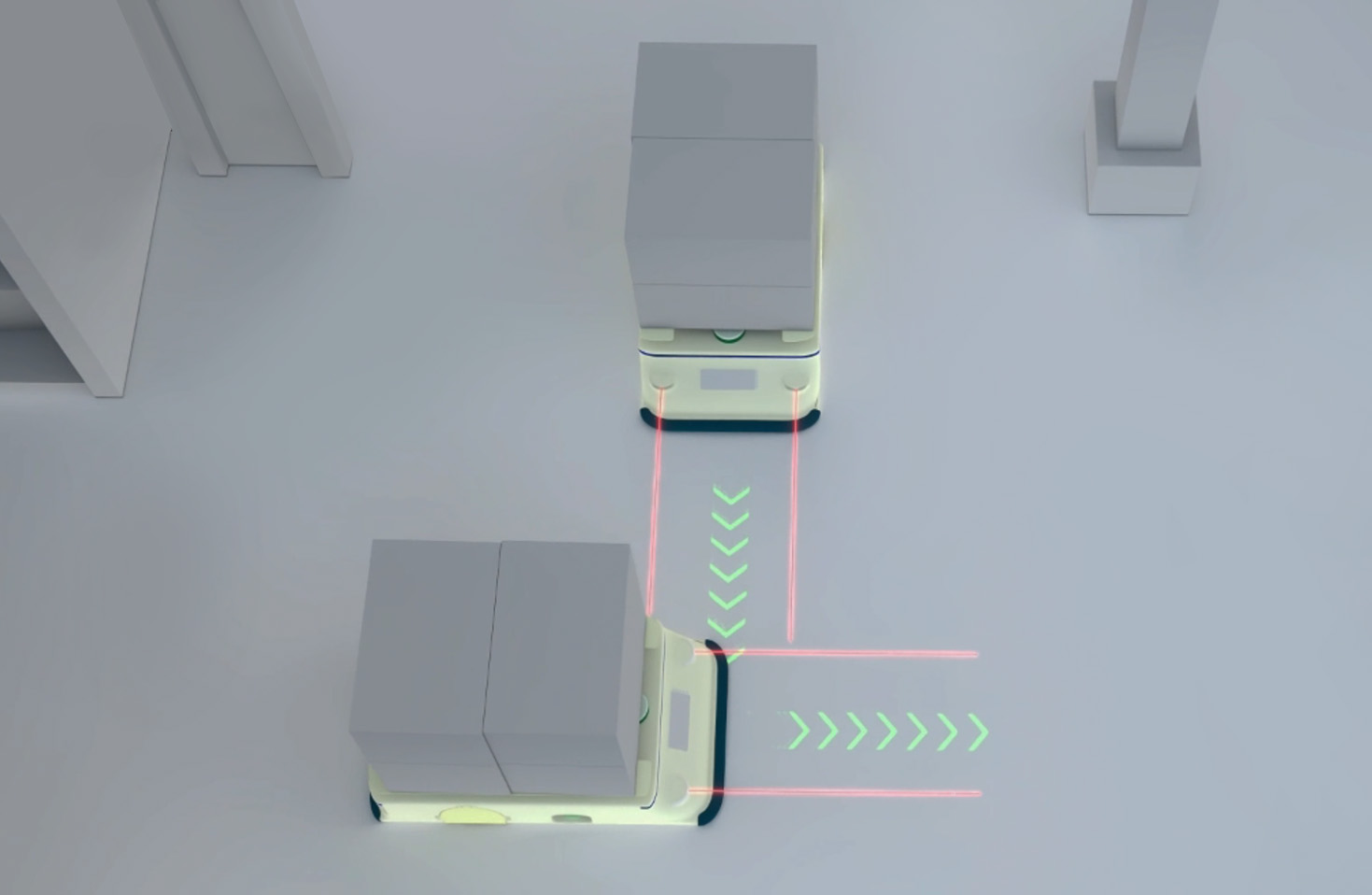
When selecting a laser distance sensor, several key specifications must be considered. Measurement range defines the minimum and maximum distances the device can handle accurately. Resolution indicates the smallest distance change the sensor can detect. Accuracy, often stated as a ± value, defines the maximum expected error under specified conditions. The response time or measurement rate determines how quickly the sensor can take readings, which is vital for high-speed processes. Environmental factors like ambient light, temperature, and the target surface's properties (color, reflectivity, texture) can significantly impact performance. Many modern sensors incorporate sophisticated algorithms to compensate for these variables.
The future of laser distance sensing points towards greater miniaturization, lower power consumption, and enhanced intelligence. The integration of sensor data with machine learning algorithms allows for not just distance measurement, but also object classification and predictive analysis. The development of solid-state LiDAR (Light Detection and Ranging) arrays is a key trend, enabling detailed 3D mapping for autonomous vehicles and robots. As the technology becomes more cost-effective and robust, its integration into everyday devices and industrial systems will only deepen, solidifying its role as a cornerstone of modern measurement and spatial awareness.