In the world of industrial automation and electronic control, the ability to detect the presence or absence of an object without physical contact is a fundamental requirement. This is where the proximity switch sensor, a silent and reliable workhorse, comes into play. These devices are ubiquitous, found in everything from smartphone screens to complex assembly lines, enabling precise, wear-free, and rapid detection.
At its core, a proximity sensor is a device that detects the presence of a nearby object within its sensing range, often referred to as the "switching distance." Upon detection, it generates an electrical output signal without any mechanical contact. This non-contact operation is its primary advantage, leading to longer service life, higher operational speeds, and reliability in harsh environments where dirt, oil, or vibration would compromise mechanical switches.
Several key technologies power these sensors, each with distinct principles and ideal use cases. The most common types include:
Inductive Proximity Sensors: These are the champions of metal detection. They generate an electromagnetic field. When a metallic object enters this field, it induces eddy currents within the object, which in turn causes a change in the sensor's internal oscillation amplitude. This change is detected and triggers the output switch. They are exceptionally robust, immune to dust and dirt, and perfect for counting metal parts, detecting piston positions in cylinders, or as end-of-travel limit switches in machinery.
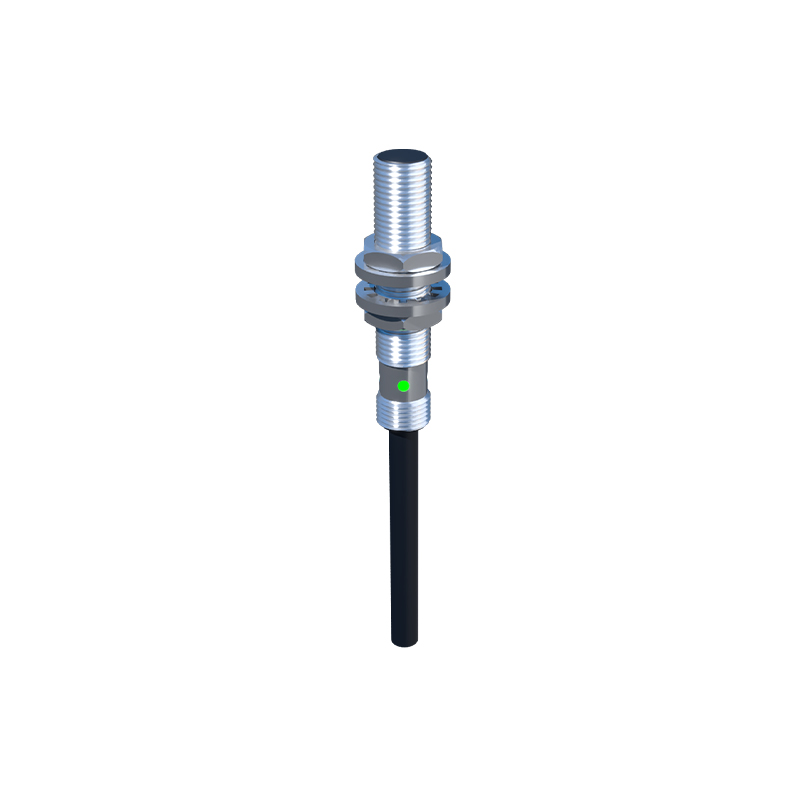
Capacitive Proximity Sensors: These sensors can detect both metallic and non-metallic objects—liquids, plastics, wood, or glass. They function by generating an electrostatic field. Any object that enters this field alters the sensor's capacitance, triggering the output. This makes them versatile for applications like level detection in tanks (for liquids or granules), detecting filled packages on a conveyor belt, or sensing the presence of a wooden panel.
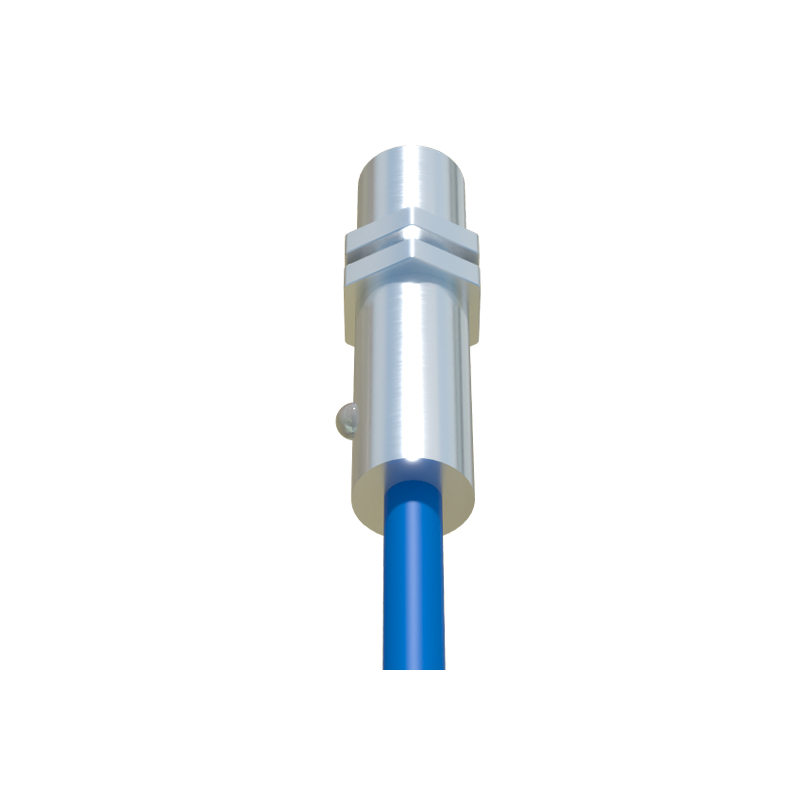
Photoelectric Sensors: While sometimes categorized separately, they operate on a proximity principle using light beams. An emitter sends out a beam of light (visible red, infrared, or laser), and a receiver detects it. The sensor triggers when the target object interrupts (through-beam mode) or reflects (reflective mode) this beam. They offer very long sensing ranges and can detect virtually any material, making them ideal for object counting, web break detection, and sorting systems.
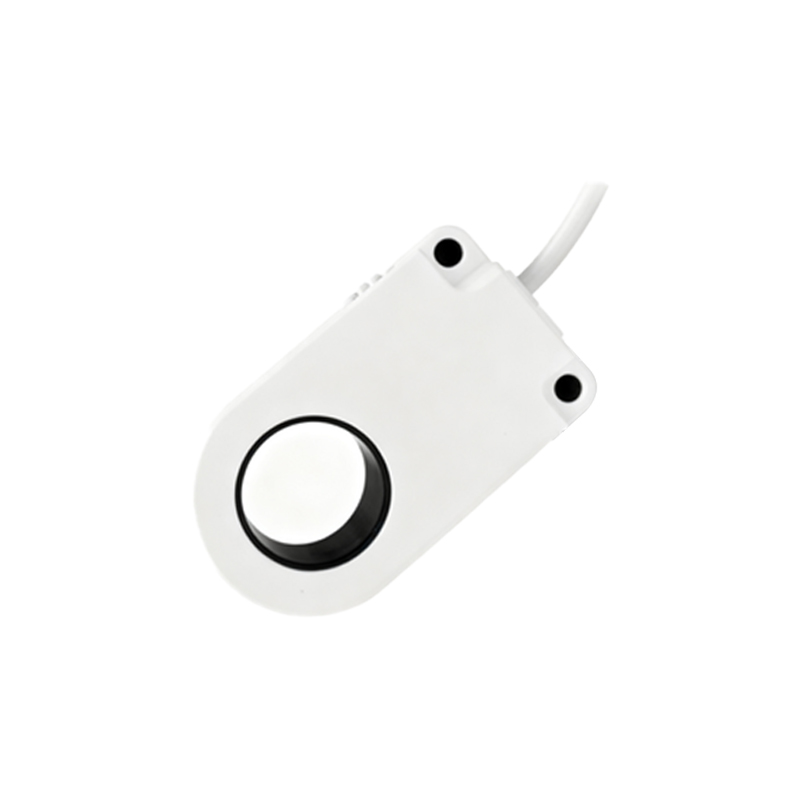
Magnetic Proximity Sensors (Reed Switches): These simple sensors are activated by the presence of a permanent magnet. They are often used in conjunction with a magnet embedded in a moving part, such as a cylinder piston. When the magnet approaches, the contacts inside the sealed glass tube close. They are cost-effective and reliable for position feedback in pneumatic systems.
Selecting the right proximity sensor requires careful consideration of several factors beyond just the target material. The sensing distance must be chosen with a safety margin, typically 70-80% of the rated nominal range to account for temperature variations and part tolerances. The output configuration is critical: PNP (sourcing) or NPN (sinking) transistor outputs must match the PLC or controller input. Some sensors offer analog outputs (4-20mA, 0-10V) for distance-proportional signaling. The housing material (often nickel-plated brass or stainless steel) and Ingress Protection (IP) rating determine suitability for wet, washdown, or explosive environments.
Installation and environmental considerations are paramount. Metal surrounding the sensor head can reduce its effective sensing range, a phenomenon known as "shielding." Adjacent sensors must be spaced adequately to prevent mutual interference. Temperature extremes, strong magnetic fields, or welding currents can also affect performance.
The applications are virtually limitless. In automotive manufacturing, inductive sensors ensure robots weld at the correct spot. In packaging lines, capacitive sensors verify liquid fill levels. In elevators, magnetic sensors confirm door closure. In consumer electronics, capacitive sensors enable touchless gesture control.
In conclusion, proximity switch sensors are indispensable components that bridge the physical and control worlds. Understanding their operating principles, key types, and selection criteria empowers engineers and technicians to build more efficient, reliable, and intelligent automated systems. Their continued evolution, with trends toward miniaturization, IO-Link digital communication for diagnostics, and enhanced sensing intelligence, ensures they will remain at the forefront of industrial innovation.