In industrial automation and motion control systems, tie-rod cylinders are fundamental components for converting fluid power into linear mechanical force. To ensure precise operation and safety, proximity sensors are often integrated with these cylinders. These sensors detect the position of the piston rod without physical contact, providing critical feedback for control systems. This guide explores the working principles, types, applications, and selection criteria for tie-rod cylinder proximity sensors.
Tie-rod cylinders are characterized by their robust construction, where threaded steel rods hold the cylinder ends together. Proximity sensors used with them are typically mounted externally on the cylinder body or integrated into the cylinder design. Their primary function is to detect when the piston reaches a specific point in its stroke. This detection is achieved through various sensing technologies, with inductive and magnetic sensing being the most common.
Inductive proximity sensors are widely used for detecting metallic targets, such as the piston or a trigger ring attached to it. They generate an electromagnetic field; when a metal object enters this field, it causes a change in oscillation, which the sensor detects. These sensors are ideal for applications involving ferrous metals and offer high repeatability. However, they require precise alignment and are sensitive to environmental factors like temperature and nearby metal objects.
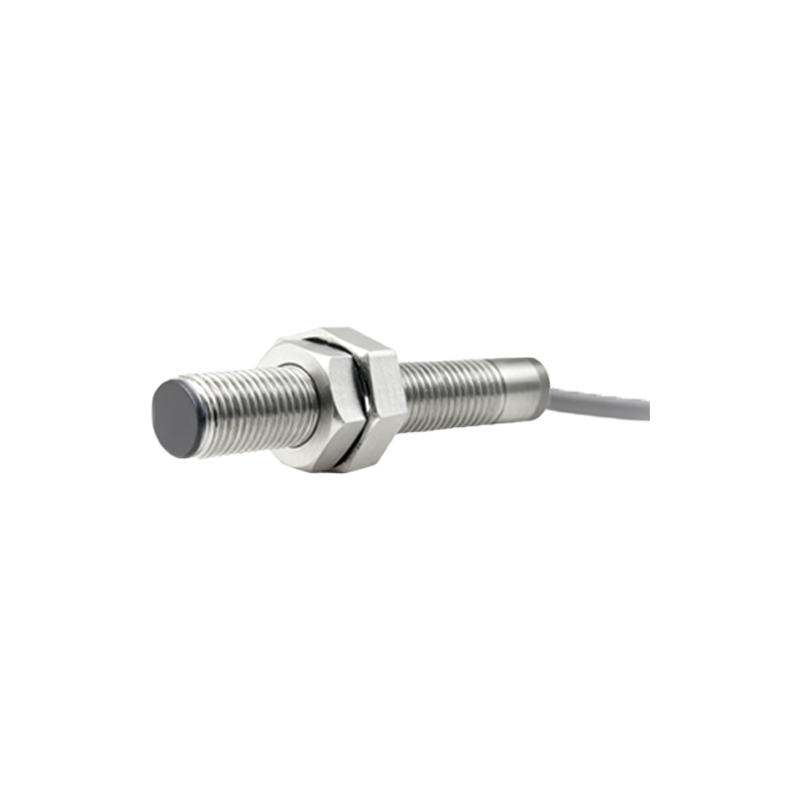
Magnetic proximity sensors, often called reed switches or Hall-effect sensors, detect the magnetic field from a magnet embedded in the piston. As the piston moves, the magnet passes the sensor, triggering a signal. These sensors are less affected by non-magnetic materials and can work through non-metallic cylinder walls, making them suitable for hydraulic or pneumatic cylinders with non-ferrous components. They are generally more durable in harsh conditions but may have limitations in high-temperature environments.
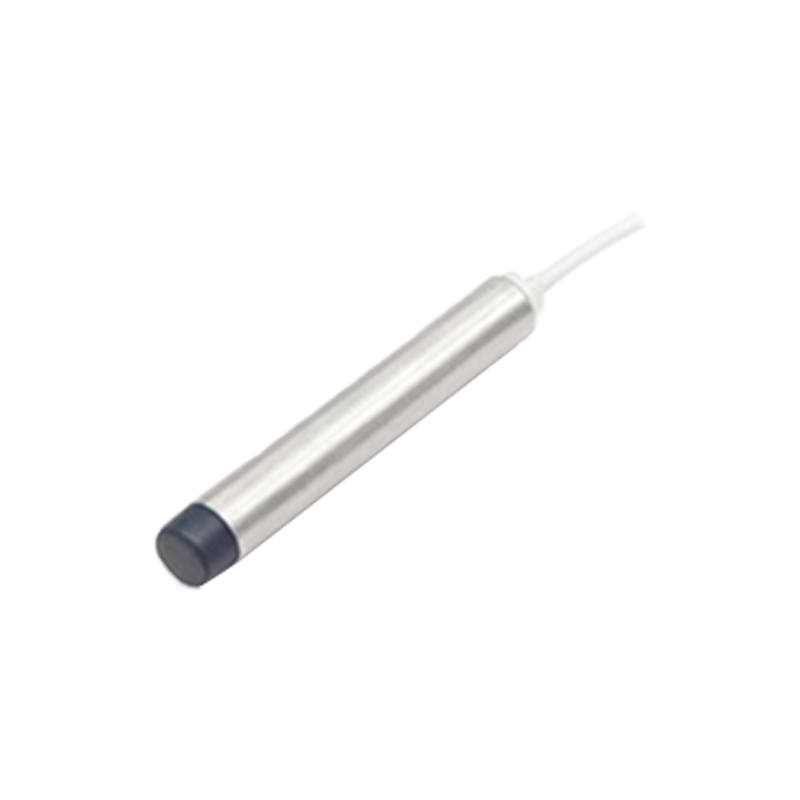
The integration of proximity sensors with tie-rod cylinders enhances system efficiency by enabling precise position control, reducing cycle times, and preventing damage from over-travel. Common applications include manufacturing lines, packaging machinery, material handling equipment, and automotive assembly systems. For instance, in automated presses, sensors ensure the cylinder stops at the correct point to apply consistent force, while in conveyor systems, they synchronize cylinder movements with other processes.
When selecting a proximity sensor for a tie-od cylinder, several factors must be considered. First, the sensing technology should match the cylinder material and operating environment. Inductive sensors are preferred for all-metal cylinders in clean settings, while magnetic sensors suit cylinders with non-metallic parts or dirty conditions. Second, the sensor's output type—such as PNP, NPN, or analog—must be compatible with the control system. Third, physical dimensions and mounting options are crucial to ensure proper fit and alignment. Cylinders often have standard mounting slots or brackets for sensors, but custom solutions may be needed for specialized designs.
Installation and maintenance are straightforward but require attention to detail. Sensors should be positioned accurately along the cylinder stroke to trigger at the desired point. Wiring must be protected from vibration, moisture, and electromagnetic interference. Regular checks for sensor alignment, signal stability, and wear can prevent failures. In high-cycle applications, sensors with robust housings and high IP ratings are recommended to withstand dust, water, and mechanical stress.
Advancements in sensor technology continue to improve performance. Smart sensors with integrated diagnostics can communicate data like temperature or signal strength to controllers, enabling predictive maintenance. Wireless options reduce wiring complexity in mobile or remote installations. Additionally, miniaturized sensors allow for compact cylinder designs without sacrificing functionality.
In summary, tie-rod cylinder proximity sensors are vital for modern automation, offering reliable, non-contact position detection. By understanding their types and applications, engineers can optimize system design for safety, efficiency, and longevity. As industries embrace Industry 4.0, these sensors will play an increasingly integral role in connected, intelligent manufacturing environments.