In industrial environments where extreme heat is a constant factor, standard sensing equipment often fails. Machinery, furnaces, metal processing lines, and power generation systems generate intense thermal energy that can degrade or destroy conventional electronic components. This is where the high temperature proximity switch becomes an indispensable tool. Unlike its standard counterparts, this specialized sensor is engineered to not only survive but also deliver reliable performance in ambient temperatures that would render ordinary sensors inoperative.
The core principle of a proximity switch remains unchanged: it detects the presence or absence of a metallic target without physical contact, typically using an electromagnetic field. However, a high temperature variant is distinguished by its robust construction and material science. Key components are shielded and insulated using ceramics, high-temperature plastics like PEEK, and specialized high-temperature wires with PTFE or fiberglass insulation. The sensing face is often made of a high-grade, temperature-resistant polymer or ceramic to prevent thermal cracking. Internally, the electronic circuitry is designed with a focus on thermal management, sometimes incorporating heat sinks or thermal barriers to protect sensitive semiconductors from the conducted heat from the sensing head.
These switches are primarily categorized by their sensing technology. Inductive proximity switches are the most common for high-temperature metal detection. They generate an oscillating electromagnetic field from a coil. When a ferrous or non-ferrous metal target enters this field, it induces eddy currents, dampening the oscillation and triggering a switch in output state. For applications involving non-metallic objects or where different sensing properties are needed, capacitive or ultrasonic high-temperature models are also available, though less frequent.
The defining specification is, unsurprisingly, the operating temperature range. While standard industrial sensors might operate from -25°C to 70°C, a high temperature proximity switch can reliably function in ambient temperatures from -40°C up to 150°C, 200°C, or even higher. Some specialized models with extended sensing wands can isolate the electronics from heat, allowing the sensing tip to endure surface temperatures exceeding 250°C. Other critical specifications include sensing distance, which may be slightly reduced compared to standard models due to internal insulation, output type (PNP/NPN, NO/NC), housing material (typically stainless steel like 316L for corrosion resistance), and ingress protection (IP) rating for dust and water resistance.
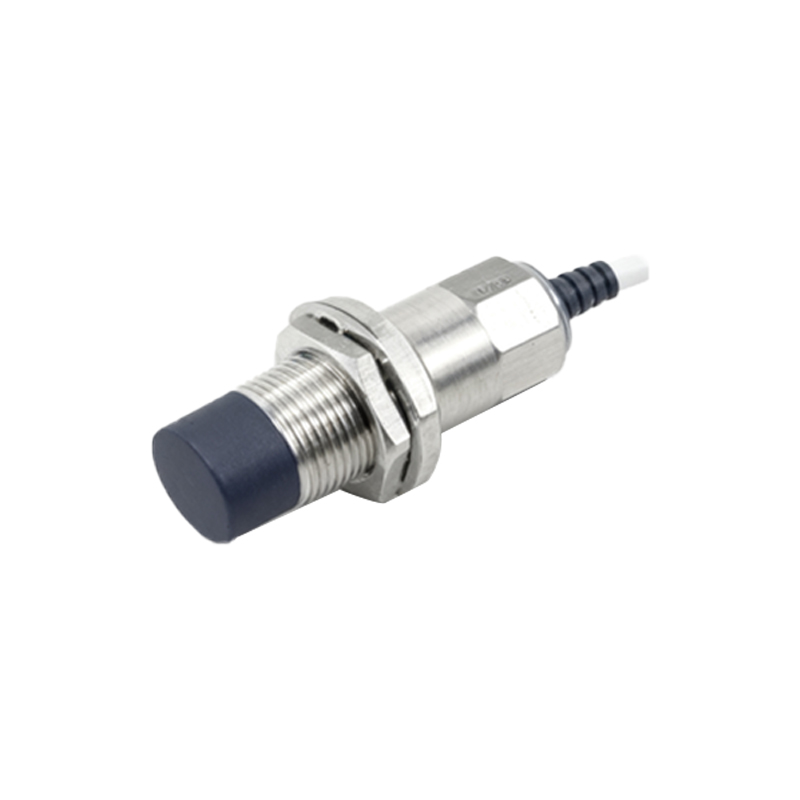
The applications for these rugged sensors are found in the most demanding sectors of industry. In metal casting and forging, they are used for position detection of molten metal ladles, billet presence in hot rolling mills, and end-of-travel sensing on furnace doors. The glass manufacturing industry employs them to monitor the position of red-hot glass sheets on conveyor lines. In automotive production, they are installed near paint drying ovens and curing processes. Within the energy sector, they play a role in monitoring turbine components and boiler systems. Their function is always critical: providing a reliable digital signal for process control, safety interlocks, and automated sequencing in environments where human monitoring is impractical or dangerous.
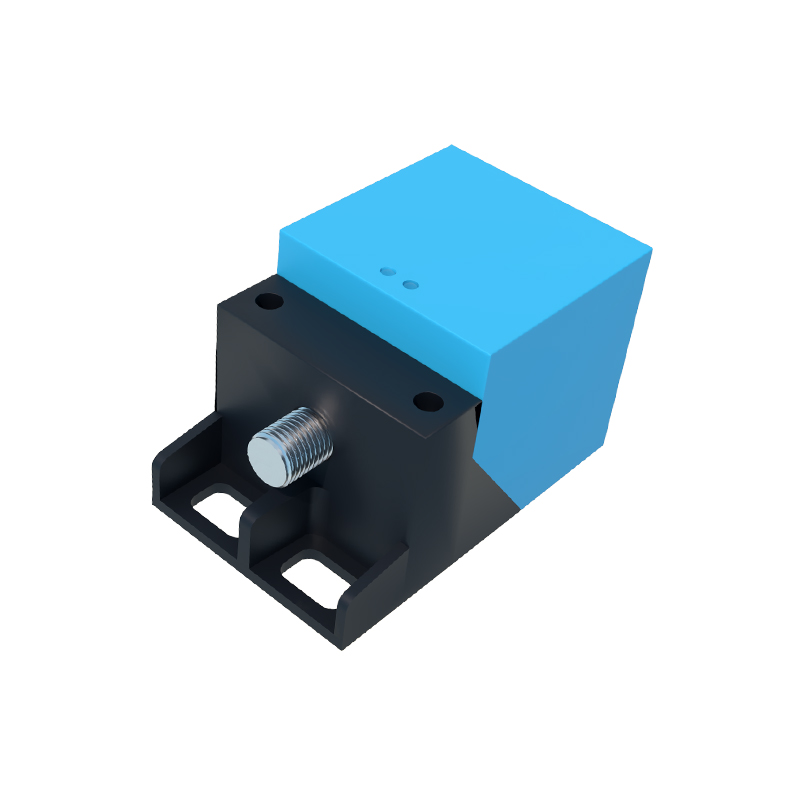
Selecting the right high temperature proximity switch requires careful analysis. The first step is to accurately determine the ambient air temperature around the switch body and the potential radiant heat from nearby sources. It is crucial to choose a switch with a rated temperature that exceeds the actual environmental temperature, providing a safety margin. Next, consider the target material and the required sensing distance. The mounting conditions, including potential exposure to coolants, oils, or mechanical vibration, will dictate the needed housing material and robustness. Finally, the electrical characteristics—voltage supply and output current—must match the control system's PLC or input module.
Installation and maintenance also demand attention. Proper mounting, often with a small air gap around the sensor to allow for some heat dissipation, is essential. Cables must be rated for the temperature and routed away from direct heat exposure. Regular maintenance involves checking for physical damage to the sensing face, buildup of debris (like metallic dust in hot environments, which can affect performance), and verifying the integrity of cable connections. Despite their ruggedness, these sensors are not immortal; prolonged exposure at the upper limit of their range will eventually reduce their operational lifespan.
In conclusion, the high temperature proximity switch is a quintessential example of engineering tailored for extreme conditions. It transforms an invisible challenge—intense heat—into a manageable variable, providing the eyes for automation in the industrial world's hottest corners. By understanding its design, specifications, and proper application, engineers and maintenance personnel can ensure continuous, safe, and efficient operation of high-temperature processes, safeguarding both productivity and equipment.