Photoelectric sensors are fundamental components in industrial automation, converting light changes into electrical signals. As an electrical engineer, understanding the signal outputs is critical for system integration. Typically, photoelectric sensors transmit one or more signals, but the exact number depends on the sensor type, configuration, and application. The most common signals include digital output (binary ON/OFF), analog output (varying voltage or current), and sometimes diagnostic or auxiliary signals. This article dives into each signal type, providing a technical overview for engineers selecting or troubleshooting these sensors.
Digital Output Signal: The Standard Binary Signal
The primary signal from most photoelectric sensors is a digital output, which can be either NPN (sinking) or PNP (sourcing) in DC systems, or AC/DC in older installations. This signal has two states: ON (high) when the sensor detects an object, and OFF (low) when no object is present. For example, a through-beam sensor emits a single digital signal indicating beam interruption. Engineers must configure the output to match the PLC or controller input, often with a load resistor for compatibility. This signal is the most common, with one signal channel per sensor.
Analog Output Signal: For Distance or Intensity Measurement
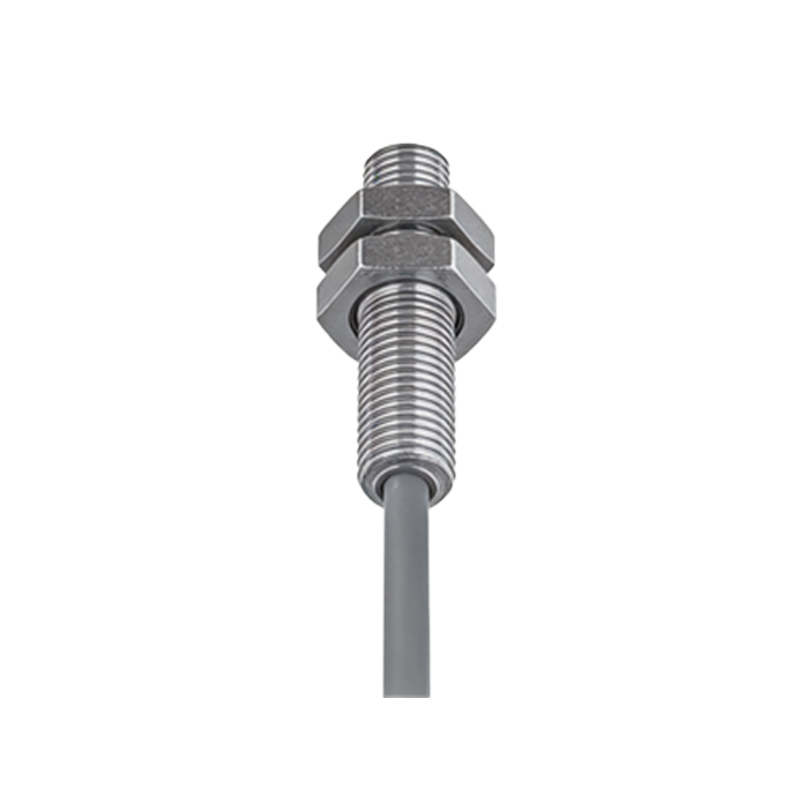
Some advanced photoelectric sensors, particularly diffuse or retro-reflective types with built-in electronics, provide an analog output signal. This signal can be 0-10V DC or 4-20 mA, representing the distance to the target or the light intensity received. For instance, a sensor measuring object position might output 4 mA at 0 mm and 20 mA at 200 mm. While the digital signal is binary, the analog signal adds continuous data, effectively providing two signal types from one sensor (digital and analog). However, not all models offer both; you must check the datasheet.
Multiple Output Signals: Dual or Complementary Channels
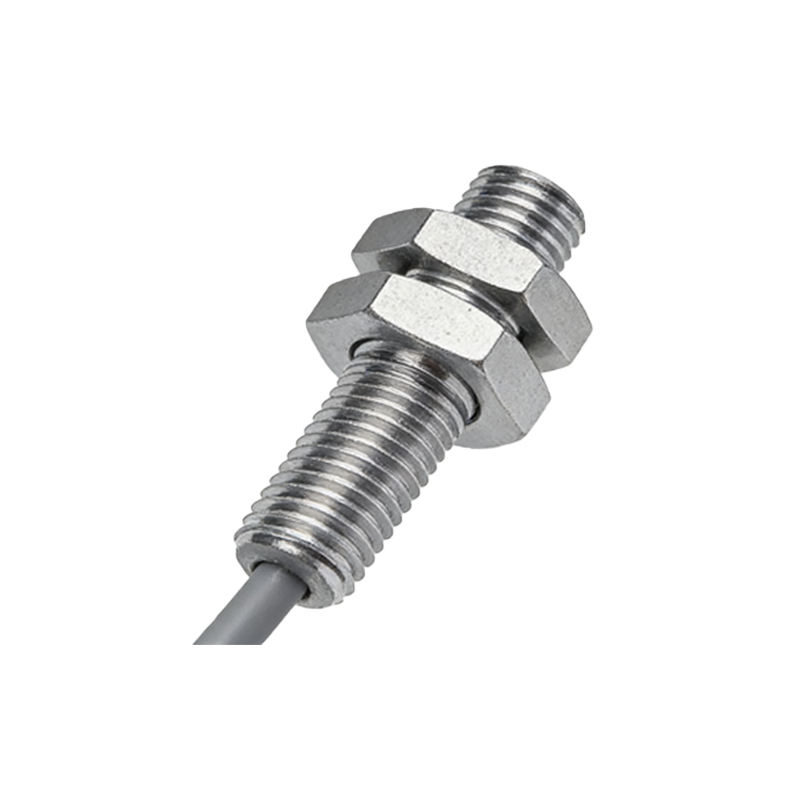
Many photoelectric sensors feature multiple output signals. A common configuration is dual digital outputs: one normally open (NO) and one normally closed (NC), giving two distinct signal paths from the same detection event. For example, an NO signal goes high when an object is present, while the NC signal goes low simultaneously. This allows engineers to use one signal for alarming and another for control. Additionally, some sensors include a diagnostic signal, such as a warning output for contamination or misalignment, adding a third signal. Thus, a single sensor can transmit up to three signals: NO, NC, and diagnostic.
Special Signal Types: Frequency and Pulse Outputs
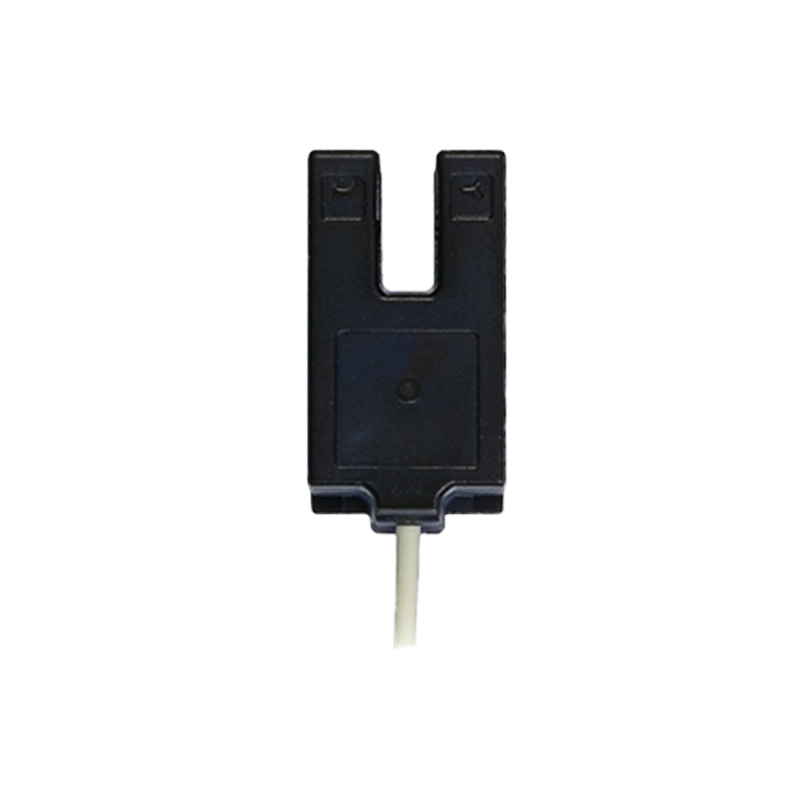
In specialized applications, such as high-speed counting or color mark detection, photoelectric sensors may output frequency-modulated signals or pulse trains. For instance, a sensor measuring rotation might output a square wave with frequency proportional to speed. This is common in encoder-style photoelectric sensors. Here, the signal is not a simple ON/OFF but a continuous stream of pulses, effectively transmitting information through timing. Engineers must use counters or frequency-to-analog converters to interpret these signals.
Signal Integration and Wiring Considerations
When integrating photoelectric sensors into a system, consider the number of wires. A typical 3-wire sensor (V+, GND, and output) provides one digital signal. A 4-wire sensor might offer two outputs (NO and NC) or one analog output plus a separate digital output. For sensors with diagnostic signals, you may need 5 or more wires. Always check the manufacturer's wiring diagram to avoid short circuits or misconnections. In summary, while most photoelectric sensors transmit one primary digital signal, complex models can transmit up to three signals or specialized analog/pulse outputs, depending on the application requirements.