Introduction to GDS Series Photoelectric Sensors
The GDS series photoelectric sensors represent a cutting-edge solution in the field of industrial automation, designed to deliver high precision and reliability for object detection, distance measurement, and position sensing. Engineered for harsh environments, these sensors utilize advanced optical technology to ensure stable performance across diverse applications, from manufacturing lines to packaging systems. With a focus on durability and ease of integration, the GDS series is a preferred choice for engineers seeking cost-effective and efficient sensing solutions.
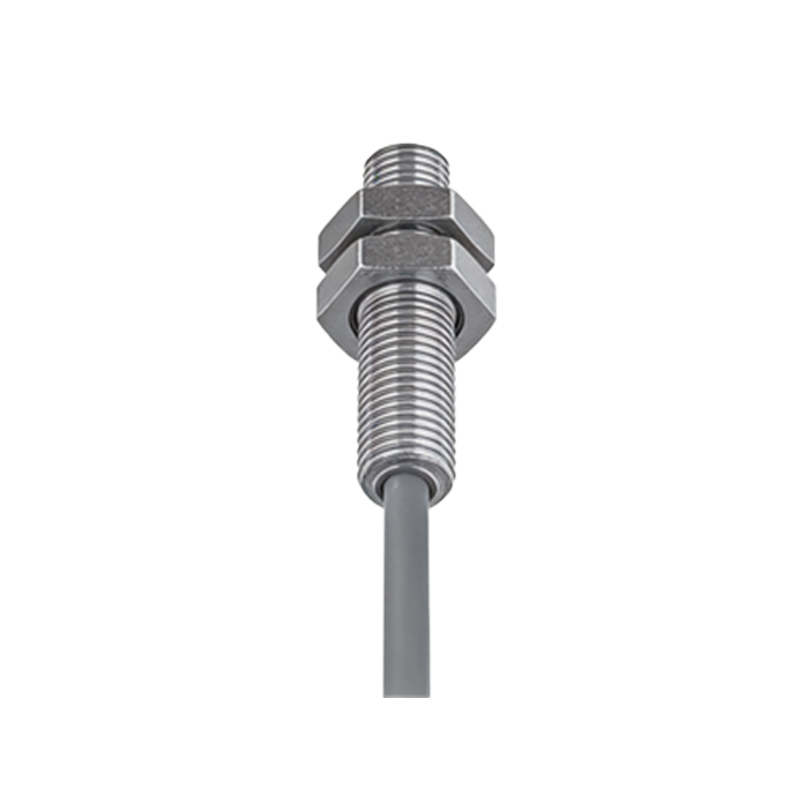
Key Features and Technical Specifications
GDS series sensors are built with robust housings, typically rated IP67 or higher, ensuring resistance to dust, moisture, and vibration. They offer a wide sensing range, from a few centimeters to several meters, depending on the model. Key features include adjustable sensitivity, fast response times (as low as 1 ms), and compatibility with both NPN and PNP output configurations. The sensors support various detection modes, such as through-beam, retro-reflective, and diffuse reflection, making them versatile for different industrial tasks. Additionally, they incorporate LED indicators for easy status monitoring and alignment.
Operating Principles and Detection Modes
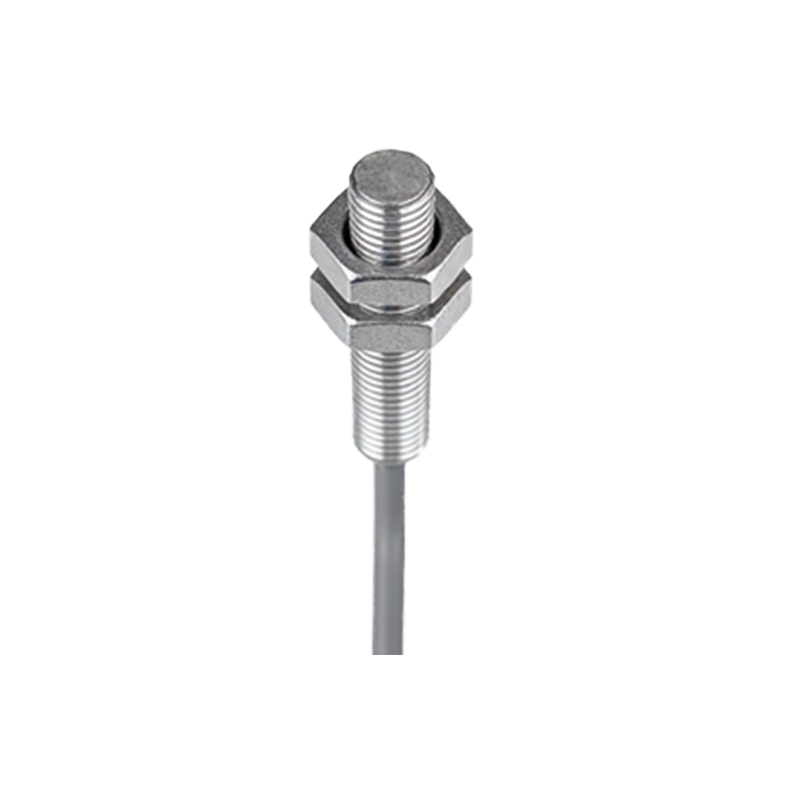
The GDS series operates on the principle of light emission and reception, utilizing infrared or visible light sources. In through-beam mode, the emitter and receiver are separate, providing long-range detection with high accuracy. Retro-reflective mode uses a reflector to bounce the light beam back, ideal for medium-range applications. Diffuse reflection mode relies on the target itself to reflect light, suitable for short-range sensing of objects with varied surfaces. These modes allow the GDS series to handle transparent, opaque, or reflective materials effectively, minimizing false triggers.
Applications in Industrial Environments
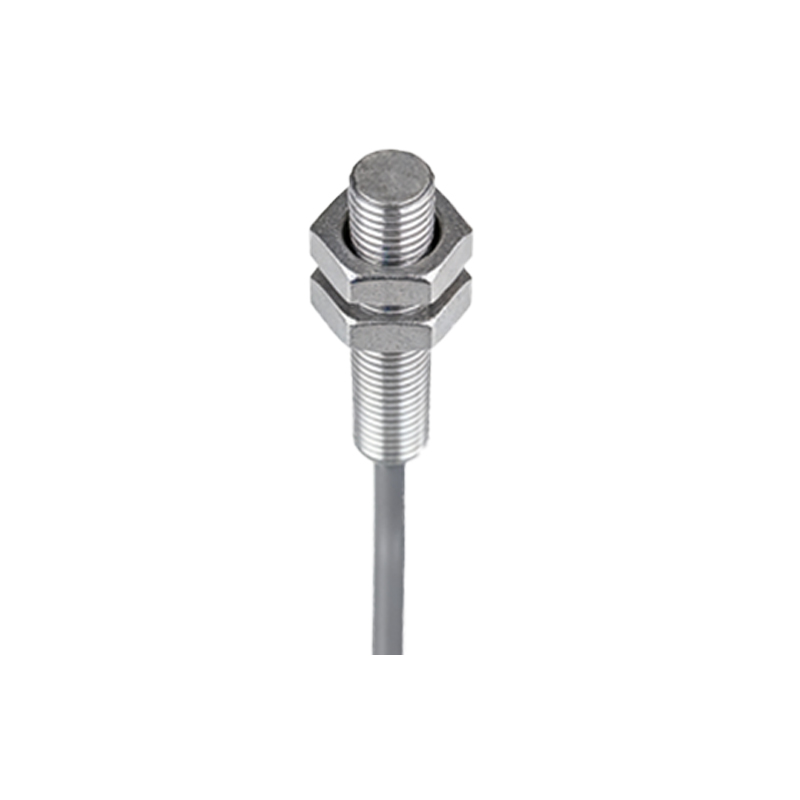
GDS series photoelectric sensors are widely deployed in automated assembly lines for part presence verification, conveyor belt monitoring, and packaging machinery for product counting. They are also used in warehouse logistics for pallet detection and in automotive manufacturing for precision alignment. Their ability to operate in dusty, wet, or high-temperature conditions makes them ideal for food processing and pharmaceutical industries. Furthermore, they excel in safety systems, such as gate monitoring and obstacle detection, enhancing workplace safety.
Installation and Calibration Guidelines
Proper installation is critical for optimal sensor performance. Mount the sensor at a stable location, avoiding direct sunlight or strong ambient light interference. Align the emitter and receiver precisely in through-beam mode, or ensure the reflector is clean in retro-reflective mode. Calibration involves adjusting the sensitivity potentiometer or using digital settings via a teach-in function. Regular cleaning of the lens and housing is recommended to maintain accuracy. Always follow the manufacturer’s wiring diagram to connect to PLCs or controllers, ensuring correct polarity and load capacity.
Troubleshooting Common Issues
Common issues with GDS series sensors include false triggering, no output, or reduced range. False triggering often results from ambient light or reflective surfaces in the background; adjust the sensitivity or use a background suppression mode if available. No output may indicate wiring errors, power supply issues, or a blocked lens; check connections and clean the optics. Reduced range can be due to dirty optics, misalignment, or component aging; realign the sensor and verify the target’s reflectivity. For persistent problems, consult the technical manual or replace the sensor unit.
Advantages Over Competing Technologies
Compared to inductive or capacitive sensors, GDS series photoelectric sensors offer longer detection ranges and the ability to sense non-metallic objects, such as plastics, glass, or wood. They are more flexible in terms of mounting options and detection modes, providing higher accuracy in dynamic environments. Unlike ultrasonic sensors, photoelectric types are less affected by air currents or temperature gradients, ensuring consistent performance. The GDS series also features lower power consumption and faster response times, making it a superior choice for high-speed automation.
Future Trends and Integration with IoT
The GDS series is evolving to integrate with Industry 4.0 and IoT ecosystems. Newer models include IO-Link communication, enabling real-time data transmission and remote diagnostics. This allows predictive maintenance and seamless integration with cloud-based monitoring systems. Enhanced algorithms are being developed to improve noise immunity and adapt to changing conditions automatically. As automation demands increase, the GDS series will continue to play a vital role in smart factories, offering enhanced data analytics and connectivity for optimized production processes.
Conclusion
The GDS series photoelectric sensors are a reliable and versatile solution for modern industrial automation, offering precision, durability, and ease of use. By understanding their features, applications, and maintenance requirements, engineers can maximize their benefits in various settings. With continuous advancements in technology, these sensors are poised to support the next generation of automated systems, driving efficiency and productivity.