In the world of industrial automation, quality control, and precision measurement, laser sensors have become indispensable tools. Their ability to provide non-contact, high-accuracy detection for distance, position, and presence makes them critical across manufacturing, logistics, and robotics. However, navigating the market for these sensors often leads to one primary question: "What is the price?" The answer is rarely a single number. The cost of a laser detection sensor is influenced by a complex interplay of technical specifications, brand reputation, and application requirements. This guide breaks down the key factors affecting laser sensor pricing and provides realistic price ranges to help you make an informed purchasing decision.
The most significant determinant of a laser sensor's price is its performance specification. Key technical parameters directly correlate with cost. First, measurement range is crucial. A standard sensor with a range of 10-50mm will be substantially less expensive than a long-range unit capable of measuring up to 300 meters. Second, accuracy and resolution are paramount. Sensors offering micron-level repeatability command a premium over those with millimeter-level performance. The type of measurement also matters; simple presence detection (on/off) sensors are the most affordable, while precise distance measurement (analog output) and profile scanning (2D/3D) units are progressively more costly. Finally, laser class and type play a role. A standard visible red laser (Class 2) is common and cost-effective, while specialized blue lasers for high-reflective surfaces or infrared lasers for specific materials are more expensive.
Beyond core performance, features and build quality significantly impact the price tag. Environmental ratings like IP67 or IP69K for dust and water resistance add cost due to robust housing and sealing. The housing material itself—stainless steel versus aluminum or plastic—affects durability and price. Connectivity options are another factor. Sensors with basic digital outputs (PNP/NPN) are standard. Integrated industrial communication protocols like IO-Link, PROFINET, or EtherNet/IP add functionality and complexity, increasing the price. Additional features such as built-in temperature compensation, advanced filtering algorithms, or configurable measurement modes also contribute to a higher cost.
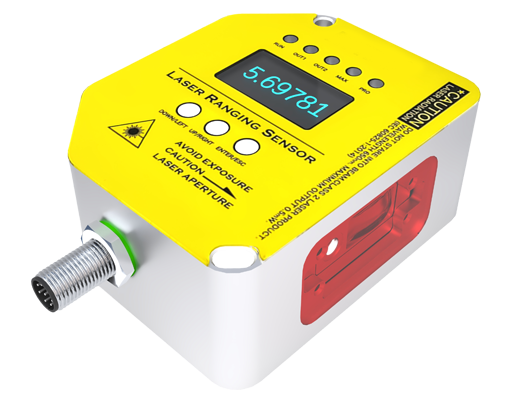
The brand ecosystem is a major pricing variable. Established global leaders like Keyence, SICK, and Banner Engineering are known for exceptional reliability, extensive support, and cutting-edge technology. Their products typically sit at the premium end of the market. Mid-tier brands, often from Europe or North America, offer a strong balance of performance and value. Finally, a growing number of manufacturers, particularly from Asia, provide highly competitive, cost-effective options. While these can offer significant savings, it's essential to carefully evaluate their specifications, certifications, and long-term support availability.
To provide concrete guidance, here are generalized price ranges for common laser sensor types in the industrial market. Note that these are estimates and can vary based on the specific factors mentioned.
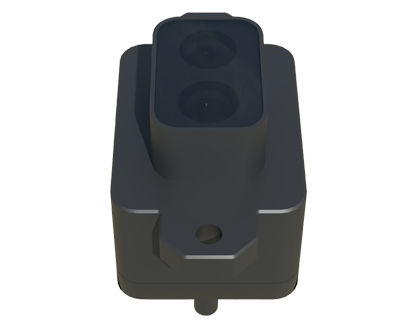
* Basic Background Suppression (BGS) / Diffuse Reflective Sensors: For simple object detection within short ranges (e.g., 2-100mm). Prices typically range from $50 to $200 per unit.
* Precision Distance Measurement Sensors: These provide an analog output (e.g., 4-20mA, 0-10V) proportional to distance. For standard ranges up to 500mm, expect to pay between $200 and $600.
* Long-Range Time-of-Flight (ToF) Sensors: Used for measuring distances from a few meters up to several hundred meters. Prices generally start around $300 and can exceed $2,000 for high-accuracy, long-range models.
* Laser Profile Scanners (2D/3D): These advanced sensors capture cross-sectional profiles for inspection and guidance. Entry-level 2D scanners begin around $1,500, with high-performance 3D units reaching $10,000 or more.
When preparing your budget, look beyond the initial unit price. Consider the total cost of ownership, which includes integration time, calibration needs, maintenance, and potential downtime. A slightly more expensive sensor from a reputable brand with easy setup and proven durability can offer a lower total cost over its lifespan. Always request formal quotes from distributors or manufacturers, specifying your exact application requirements. Be wary of prices that seem too good to be true, as they may indicate compromises in quality, safety certifications, or performance consistency. Investing time in understanding the specifications that truly matter for your task is the most effective strategy for finding the right laser sensor at the right price.