In the realm of modern technology, sensors act as the critical interface between the physical world and digital systems. Among the most sophisticated and versatile are optical sensors and laser sensors. While often mentioned together due to their shared foundation in light-based detection, they represent distinct technologies with unique operational principles and application landscapes. Understanding their differences, capabilities, and synergistic potential is key to leveraging their power in industries ranging from manufacturing to healthcare.
At its core, an optical sensor is a broad category of devices that use light to detect, measure, or quantify a physical property. It typically consists of a light source (which can be an LED, a lamp, or even ambient light), a sensing element, and a photodetector. The fundamental principle involves changes in light properties—such as intensity, wavelength, phase, or polarization—when it interacts with the target or medium. These changes are then converted into an electrical signal for analysis. Common types include photoelectric sensors for object presence detection, fiber optic sensors for strain or temperature in harsh environments, and imaging sensors like CCDs and CMOS chips in cameras.
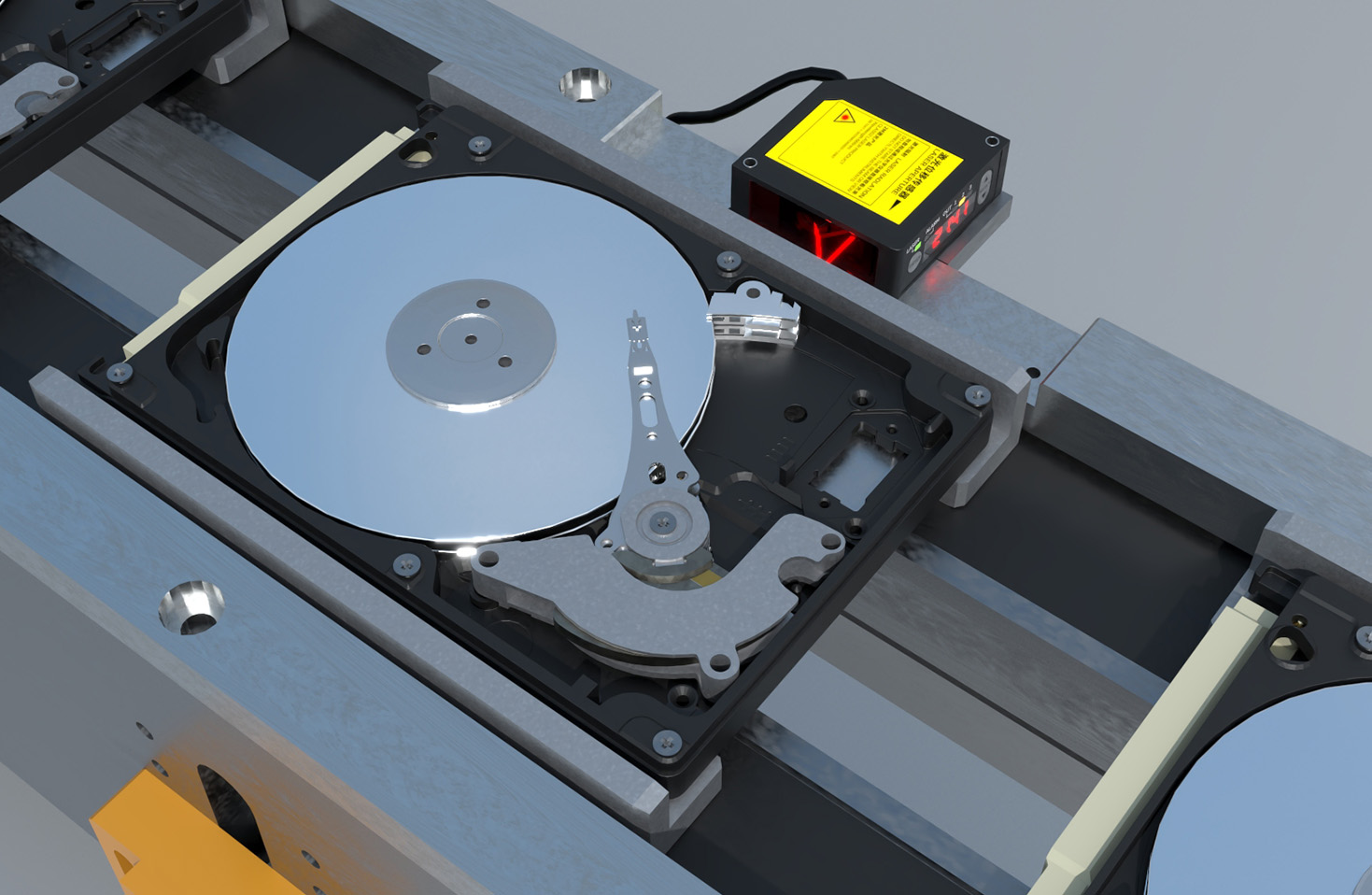
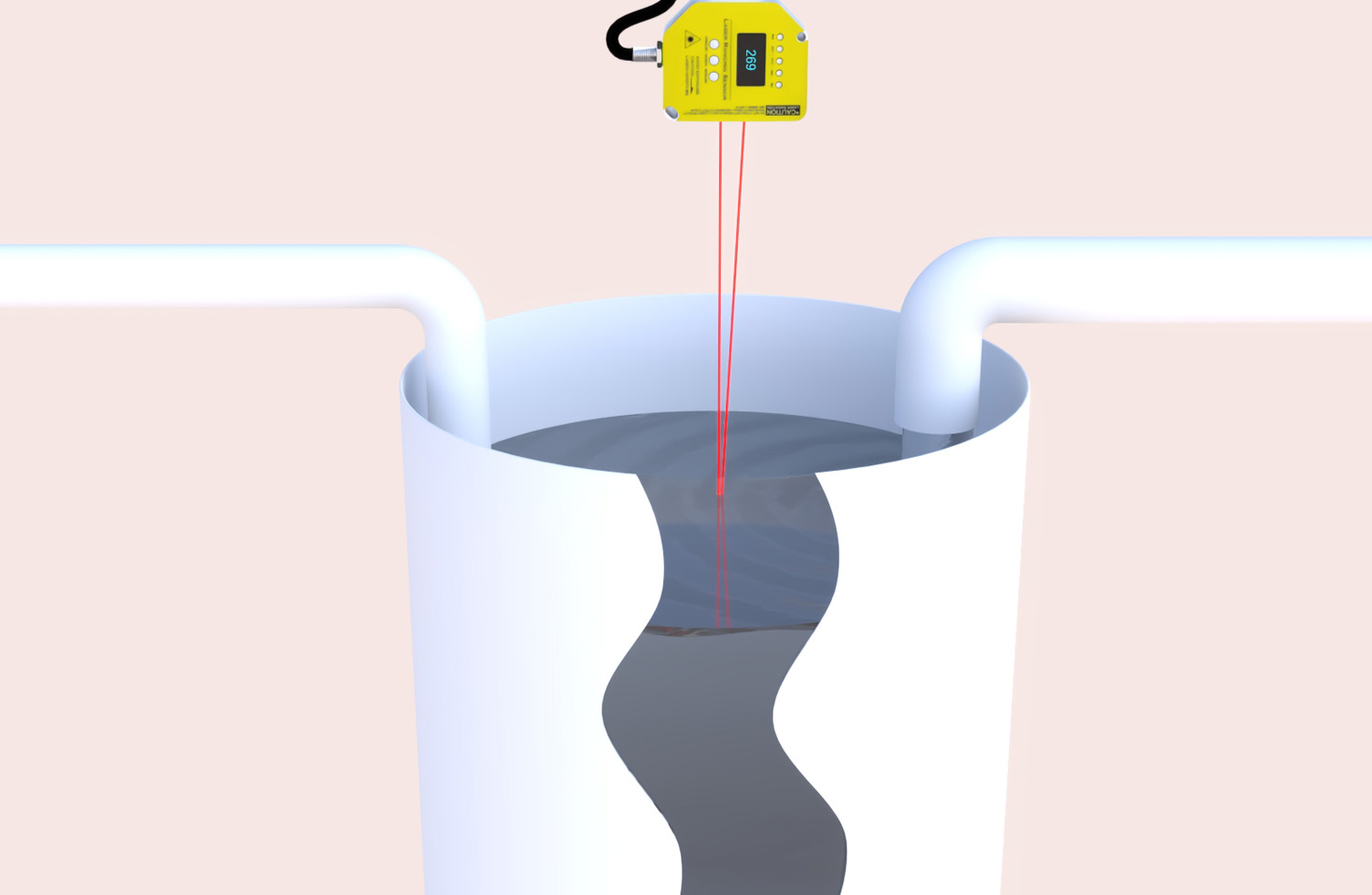
Laser sensors, on the other hand, are a specialized subset of optical sensors. They utilize laser light—Light Amplification by Stimulated Emission of Radiation—as their source. The key differentiator is the laser's coherent, monochromatic, and highly collimated beam. This coherence allows for exceptional precision in measurements like distance, displacement, and vibration. Laser sensors often employ techniques such as triangulation, time-of-flight, or interferometry. In triangulation, a laser dot is projected onto a target, and its reflection is captured by a detector at a known angle; the position of the reflected spot shifts with the target's distance, allowing for precise calculation. Time-of-flight sensors measure the round-trip time of a laser pulse to determine distance, ideal for long-range applications.
The applications of these sensors are vast and transformative. In industrial automation and robotics, optical sensors are ubiquitous for part counting, edge detection, and color recognition on assembly lines. Laser sensors excel in non-contact precision metrology, performing critical tasks like profiling object dimensions, checking surface flatness, or aligning components with micron-level accuracy. The automotive industry relies heavily on both: optical sensors monitor cabin occupancy for airbag systems, while LiDAR (Light Detection and Ranging), a sophisticated laser sensor system, is the cornerstone of autonomous vehicle perception, creating high-resolution 3D maps of the surroundings.
In the field of healthcare and life sciences, optical biosensors enable rapid diagnostic testing by detecting specific biomarkers. Laser sensors are instrumental in advanced medical imaging and surgical tools. For example, confocal laser scanning microscopes provide detailed 3D images of biological tissues, and laser Doppler vibrometers can measure minute vibrations on the eardrum for hearing assessments. Environmental monitoring also benefits greatly. Distributed fiber optic sensors can monitor temperature and strain along pipelines or power cables over dozens of kilometers. Laser-based gas analyzers can detect trace concentrations of pollutants in the atmosphere with high specificity.
Looking toward the future, several trends are shaping the evolution of these technologies. Miniaturization and integration are leading to smaller, more power-efficient sensors that can be embedded into a wider array of devices, from smartphones to wearable health monitors. The integration of Artificial Intelligence and machine learning is creating "smarter" sensors capable of advanced pattern recognition and predictive analysis directly at the edge, reducing latency and bandwidth needs. Furthermore, the development of new materials, like metamaterials and advanced photonic crystals, promises sensors with unprecedented sensitivity and the ability to detect previously unmeasurable phenomena.
Another significant frontier is the move towards multi-modal sensing systems. Instead of relying on a single sensor type, future systems will intelligently fuse data from optical, laser, and other sensor types (like inertial or acoustic) to build a more robust and comprehensive understanding of the environment. This is particularly crucial for safety-critical applications like fully autonomous driving or advanced robotic manipulation in unstructured settings.
Despite their advantages, challenges remain. For optical sensors, ambient light interference can sometimes affect reliability, requiring careful shielding and signal processing. Laser sensors, while highly precise, can be more expensive and may face safety regulations due to the potential eye hazard of high-power beams. Ongoing research focuses on developing eye-safe laser diodes, improving signal-to-noise ratios in low-light conditions, and driving down costs through mass production.
In conclusion, optical sensors and laser sensors are indispensable pillars of the sensing world. Optical sensors offer a versatile and often cost-effective solution for a wide range of detection and measurement tasks. Laser sensors provide the pinnacle of precision and range for demanding applications where accuracy is non-negotiable. Their continued advancement, driven by innovations in photonics, materials science, and data processing, will unlock new capabilities and applications, further blurring the lines between the physical and digital realms and enabling the next generation of intelligent systems.