In the rapidly evolving landscape of industrial automation, the demand for reliable, durable, and precise sensing technology has never been greater. At the heart of countless manufacturing, packaging, and material handling systems lies a critical component: the inductive proximity sensor. Moving beyond individual sensor units, the concept of an integrated Inductive Proximity Sensor Platform represents a significant leap forward, offering a cohesive ecosystem for smarter, more connected, and efficient operations.
An inductive proximity sensor operates on a fundamental electromagnetic principle. It generates an oscillating electromagnetic field from its sensing face. When a metallic target enters this field, eddy currents are induced within the target, causing a change in the oscillation amplitude within the sensor's coil. This change is detected by the sensor's circuitry, triggering a solid-state output signal. The key advantage is that this non-contact detection method eliminates mechanical wear and tear, ensuring a long operational life even in harsh environments filled with dust, oil, or coolant.
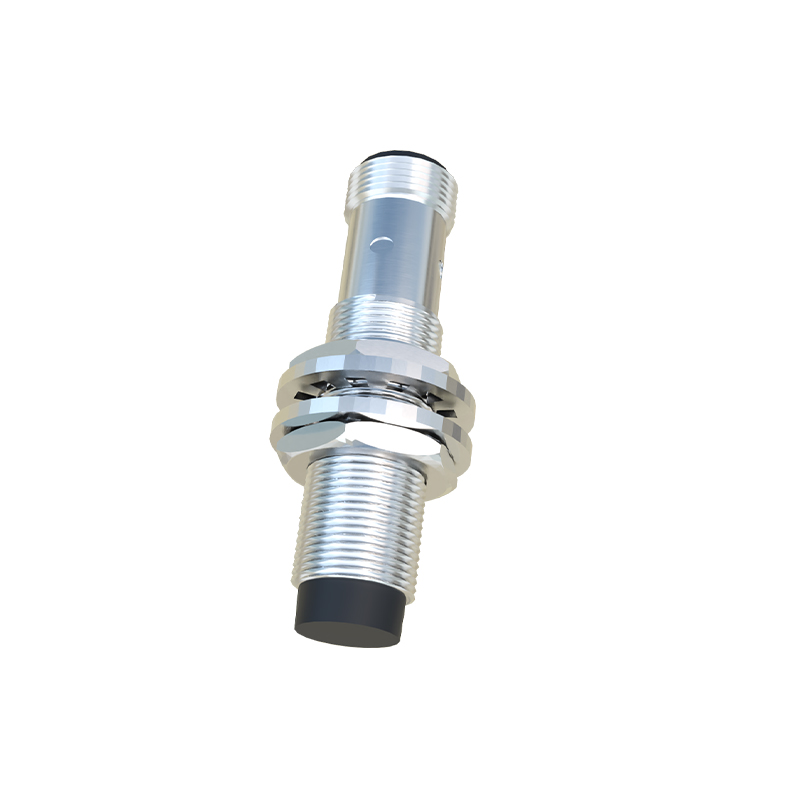
A traditional setup involves selecting individual sensors for specific tasks. However, an Inductive Proximity Sensor Platform transcends this approach by providing a unified, scalable framework. This platform typically integrates several core elements:
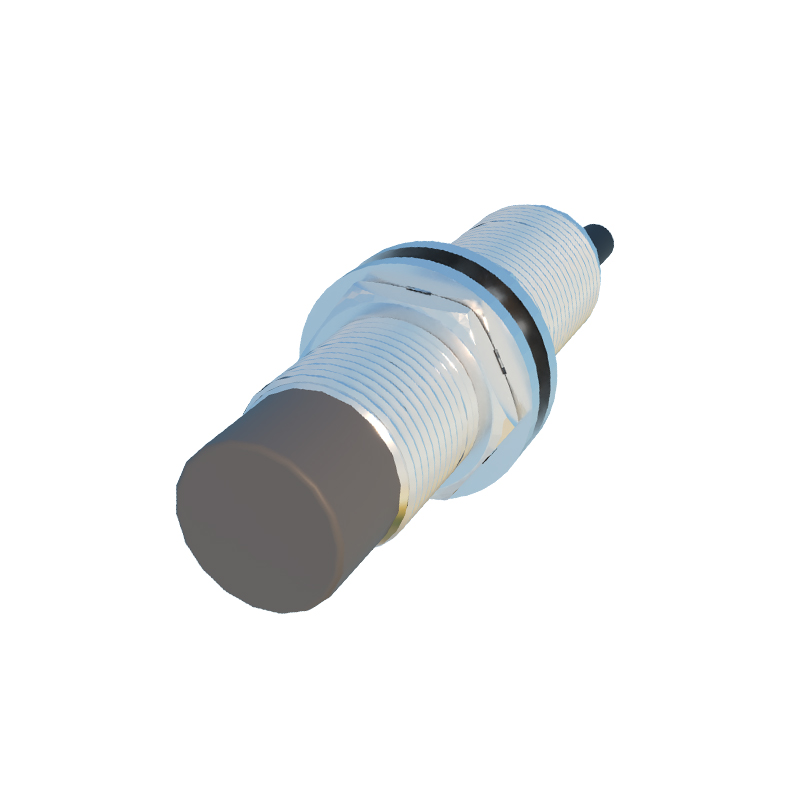
Standardized Sensor Families: A comprehensive range of sensors with varied sensing distances, housing materials (e.g., stainless steel, PBT, nickel-plated brass), and form factors (cylindrical, rectangular, ring-shaped) that share common electrical and mechanical interfaces. This simplifies design-in and replacement.
Advanced Connectivity: Moving past simple discrete wiring, modern platforms support industrial communication protocols like IO-Link. IO-Link transforms a standard sensor into an intelligent device, enabling bidirectional data exchange. Beyond the simple "on/off" signal, users can retrieve parameter data (e.g., operating hours, temperature, signal strength) and remotely configure settings like switching points or output delay.
Centralized Configuration and Diagnostics: Platform-compatible software tools allow engineers to configure, monitor, and diagnose an entire network of sensors from a central engineering station or even an HMI. This drastically reduces commissioning time and enables predictive maintenance by alerting operators to deteriorating conditions before a failure occurs.
Interoperability with Control Systems: The platform is designed for seamless integration with major Programmable Logic Controller (PLC) systems and Industrial Internet of Things (IIoT) architectures, feeding valuable machine data into higher-level analytics software.
The benefits of adopting such a platform are substantial. For machine builders (OEMs), it streamlines the design process, reduces inventory complexity by using standardized components, and adds valuable diagnostic features that become a competitive advantage. For end-users in manufacturing plants, the platform enhances overall equipment effectiveness (OEE). Reduced downtime is achieved through faster troubleshooting and predictive alerts. Furthermore, the rich data provided by intelligent sensors can be analyzed to optimize production cycles, improve quality control by detecting tool wear or misalignment, and enable flexible manufacturing lines that can be quickly reconfigured for different products.
Applications are vast and span across all heavy and light industries. In automotive assembly, these platforms monitor robotic weld gun positioning and verify the presence of metal components. In food and beverage packaging, stainless-steel sensors count cans or detect metal lids on conveyor lines, resisting constant washdowns. In metalworking, they control the position of CNC tool changers and monitor spindle orientation. The platform approach ensures that whether the need is for a tiny sensor to detect a gear tooth or a large-factor sensor to monitor pallet presence, the integration and data management remain consistent.
When selecting an inductive proximity sensor platform, key technical specifications must be evaluated. The switching frequency determines how fast the sensor can detect objects. The sensing distance, often rated for a standard mild steel target, is critical for mechanical design. Hysteresis is the difference between the switch-on and switch-off points, providing noise immunity and stable operation. For challenging environments, look for platforms offering sensors with high IP (Ingress Protection) ratings (e.g., IP67, IP69K) for dust and water resistance, and robust EMC (Electromagnetic Compatibility) performance.
The future trajectory of inductive sensing platforms is tightly linked to Industry 4.0. The convergence of sensing data with cloud computing and AI analytics will unlock new potentials. Imagine a platform where sensor performance data across a global fleet of machines is aggregated to identify universal wear patterns, enabling manufacturers to improve product design. Or, where adaptive sensors self-calibrate based on the specific metal alloy they are detecting. The platform is the essential foundation that makes this level of intelligence and connectivity possible.
In conclusion, the shift from standalone inductive proximity sensors to a holistic platform strategy is more than an incremental improvement; it is a redefinition of their role in automation. By offering standardized hardware, intelligent data capabilities, and seamless system integration, these platforms