When planning to integrate proximity sensors into an automation system, a production line, or a consumer device, one of the most common and critical questions is: "How much do they cost?" The answer is not a simple figure, as the price of a proximity sensor can vary dramatically—from a few dollars to several hundred—depending on a complex interplay of factors. Understanding this pricing landscape is essential for making an informed purchasing decision that balances performance, reliability, and budget.
At the most fundamental level, the sensing technology is the primary price driver. Inductive proximity sensors, which detect metallic objects, are generally the most cost-effective for industrial applications. Basic shielded inductive sensors can start as low as $15 to $30 USD per unit. Capacitive sensors, capable of detecting both metallic and non-metallic materials like liquids or plastics, tend to be slightly more expensive, often ranging from $25 to $60 USD. Photoelectric sensors, which use light beams and offer longer sensing ranges, have a wider price band. Standard diffuse models may cost $30 to $80, while more precise through-beam or retro-reflective types can range from $50 to $150 USD or more. Ultrasonic sensors, used for distance measurement and level detection, typically fall in the $50 to $200+ USD range due to their complex electronics.
Beyond the core technology, performance specifications heavily influence cost. Sensing range is a key factor; a sensor with a 2mm range will cost significantly less than one rated for 20mm or 50mm. The required precision and repeatability also play a role. High-speed sensors designed for fast-moving assembly lines, or those with exceptional accuracy (micrometer-level), command a premium. Environmental ratings are crucial for price differentiation. A standard IP67-rated sensor (dust-tight and protected against temporary immersion) is common. However, sensors built for extreme conditions—featuring higher IP69K ratings (for high-pressure washdown), resistance to corrosive chemicals, or ability to withstand intense temperatures or vibration—will see their prices climb accordingly, sometimes doubling or tripling the base cost.
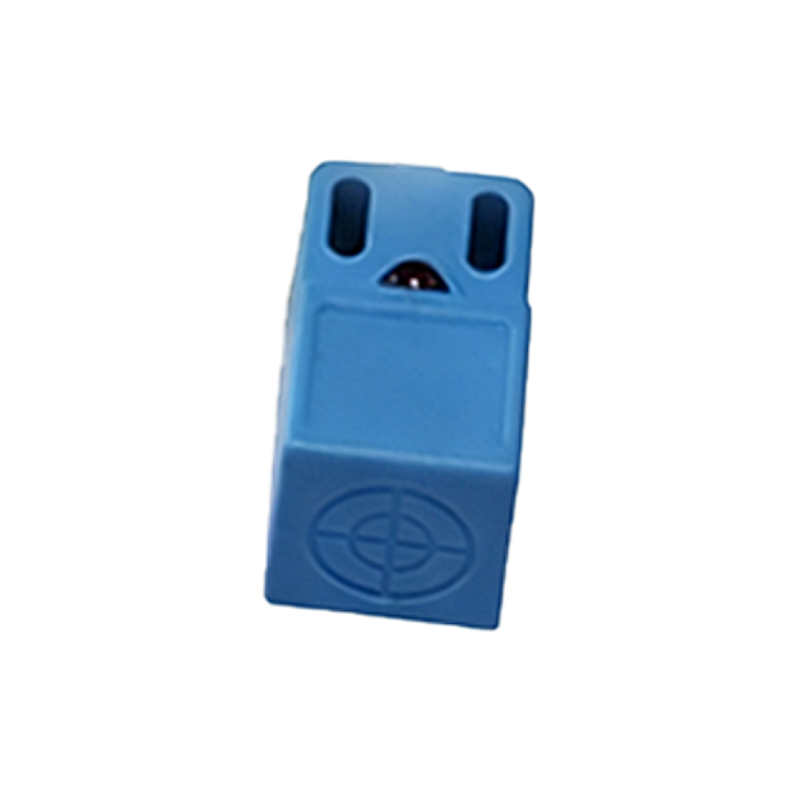
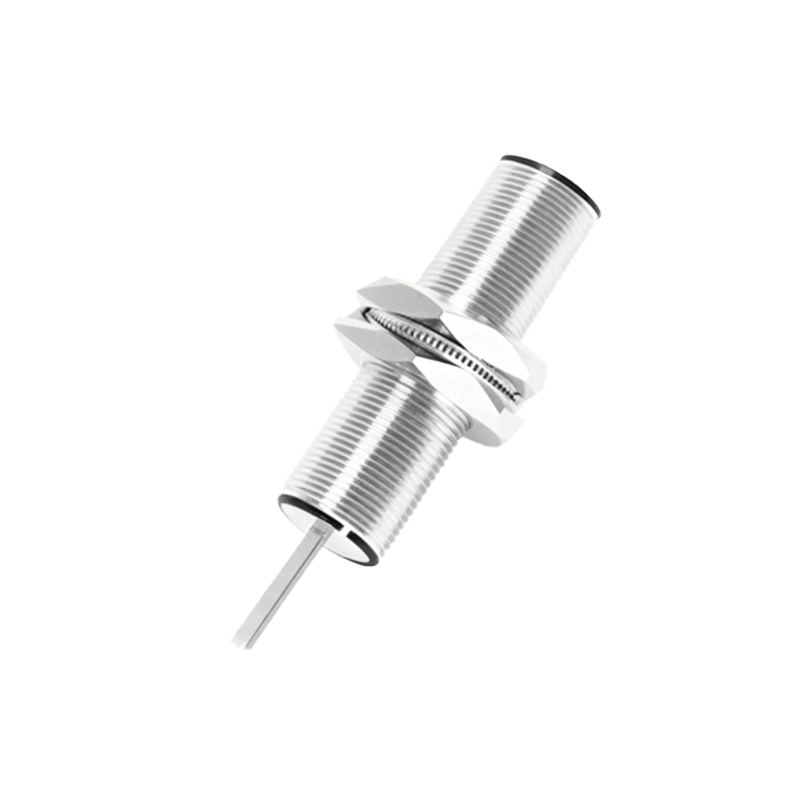
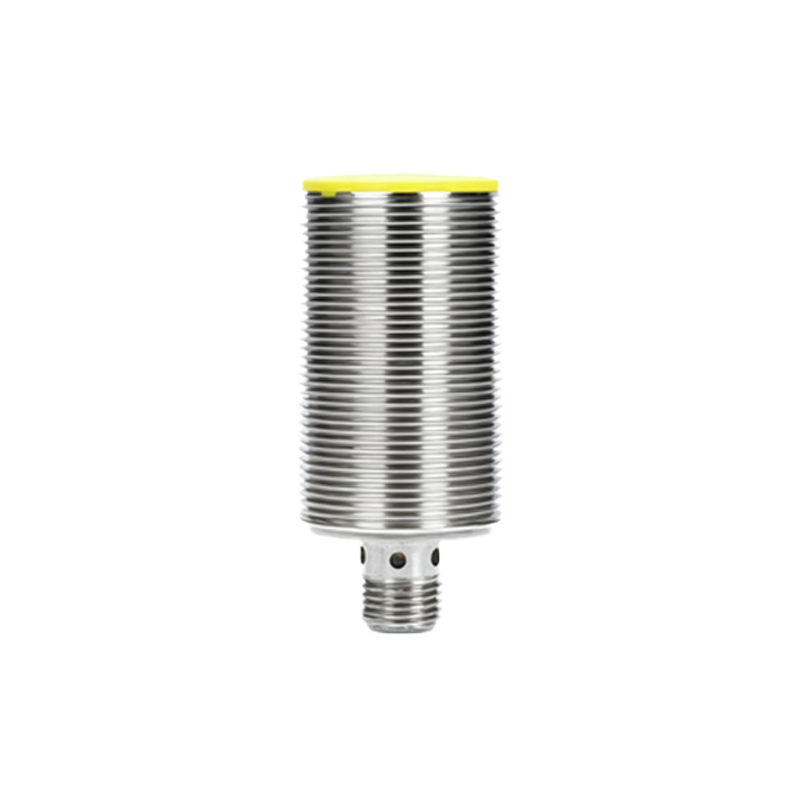
Form factor and housing material contribute to the final price. Miniature or cylindrical sensors in standard M8, M12, or M18 threaded barrels are typically less expensive than specialized rectangular or flat-pack designs. Stainless steel housings, necessary for food & beverage or pharmaceutical applications, are more costly than nickel-plated brass or PBT plastic housings. The output type and wiring also matter. Sensors with simple 3-wire DC PNP or NPN transistor outputs are standard. Those with analog outputs (4-20mA, 0-10V), IO-Link digital communication, or relay outputs add complexity and cost. IO-Link sensors, which provide rich diagnostic data, are at the higher end of the price spectrum.
Brand reputation and supply chain are undeniable economic factors. Established global brands like Sick, Omron, Pepperl+Fuchs, and Balluff are associated with high reliability, extensive R&D, and robust global support. This quality and assurance come at a price, often 20-50% higher than generic or lesser-known brands. These premium brands justify their cost through longer product lifecycles, better durability in harsh environments, and comprehensive technical documentation. On the other hand, many competitive manufacturers, particularly from Asia, offer functionally similar sensors at lower price points, which can be attractive for cost-sensitive or less demanding applications. The choice often boils down to a trade-off between upfront cost and total cost of ownership, which includes potential downtime from sensor failure.
Purchasing volume is perhaps the most straightforward lever on price. Buying a single sensor from a distributor will be at the highest list price. For OEMs or large integrators, volume discounts are standard. Ordering hundreds or thousands of units can reduce the per-unit cost by 30% or more. It's always advisable to request quotes for your specific annual volume rather than relying on web prices.
So, what is the final price range? For a standard inductive or photoelectric sensor in a common form factor for general industrial use, expect to budget $20 to $80 USD per unit. For a high-performance, feature-rich, or ruggedized sensor from a top-tier brand, prices of $100 to $300 USD are common. For highly specialized applications (e.g., intrinsically safe for hazardous areas, extreme precision, or custom designs), prices can exceed $500 USD.
In conclusion, while it's tempting to search for a single price tag, the cost of a proximity sensor is a function of its technology, capabilities, build quality, and brand. The most effective approach is to clearly define your application requirements first: target material, required range, environmental conditions, needed output,