Accurate focal length adjustment is a critical step in ensuring optimal performance for laser sensors in applications ranging from industrial automation and robotics to precision measurement and alignment. A properly focused laser sensor delivers a sharp, well-defined spot, maximizing signal strength, improving measurement accuracy, and enhancing the reliability of detection or ranging tasks. This guide provides a systematic, practical approach to adjusting the focal length, applicable to common types like triangulation and time-of-flight sensors.
The process begins long before physical adjustment. First, consult the sensor's datasheet and user manual. Identify the specified working range, the optimal focal distance, and the recommended method for adjustment. Manufacturers often provide crucial details about adjustment mechanisms, which may involve a rotating lens barrel, a set screw, or a threaded housing. Gather the necessary tools, typically including a precision screwdriver, a calibrated target (like a high-contrast test card or a flat, matte surface), and appropriate personal protective equipment for your eyes. Never look directly into the laser beam.
Prepare the setup in a controlled environment. Minimize ambient light interference and ensure the sensor is securely mounted on a stable platform. Power on the sensor and connect it to its readout unit or software interface, which will display the received signal intensity, distance value, or spot quality. Position your calibration target at the desired working distance—the exact point where you need the sensor to be most accurate.
The core adjustment procedure is iterative. For sensors with a manual focus ring, loosen any locking screw gently. While observing the output signal on your monitoring device, slowly rotate the focus ring. The goal is to find the point that yields the peak signal response. For a triangulation sensor measuring distance, this peak corresponds to the clearest, strongest return signal. For a sensor detecting presence or edge, it relates to the sharpest transition in the signal. Make small, incremental adjustments. After each turn, allow the system a moment to stabilize before noting the reading.
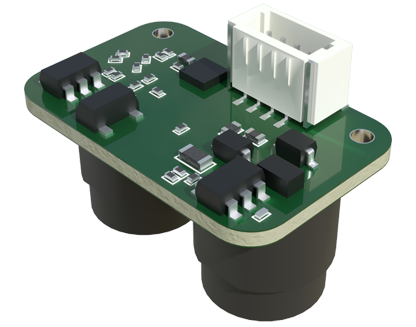
Fine-tuning is essential. Once you approach the peak signal, refine the adjustment to find the absolute maximum. Some advanced software provides a real-time graphical display of signal strength, greatly aiding this process. If available, use it. After achieving the peak, carefully tighten the locking screw without shifting the adjustment. Avoid over-tightening, as this can distort the lens housing and defocus the beam.
Verification is not optional. After locking the mechanism, move the target slightly forward and backward through the intended working range. Observe the signal response. A well-focused sensor will show a consistent and high signal across the specified range, with a clear peak at the set focal point. Test with different target surfaces if your application requires it. Document the final adjustment position and the corresponding signal strength for future reference.
Common pitfalls must be avoided. Rushing the process leads to suboptimal focus. Using excessive force can damage delicate threads or optical components. Neglecting to lock the mechanism after adjustment allows vibration to undo your work. Assuming the factory setting is perfect for your specific setup is a frequent mistake; always verify and adjust on-site. Finally, ignoring eye safety is unacceptable; always assume the laser is Class 3R or higher and take appropriate precautions.
Regular maintenance checks are recommended. Environmental factors like temperature fluctuations, mechanical shocks, or dust accumulation can affect the focal alignment over time. Periodically reverify the focus as part of a preventive maintenance schedule to ensure long-term sensor accuracy and system integrity. By following this methodical approach—preparation, iterative adjustment, fine-tuning, and thorough verification—you can reliably achieve and maintain the precise focal length required for your laser sensor to perform at its best.