In the dynamic landscape of industrial automation, precision, reliability, and efficiency are non-negotiable. At the heart of countless automated systems lies a critical component: the proximity sensor. Among the leaders in this field, Festo stands out, offering a comprehensive range of proximity sensors engineered to meet the most demanding applications. This guide delves into the world of Festo proximity sensors, exploring their technology, types, applications, and the distinct advantages they bring to modern manufacturing and process control.
Proximity sensors are devices that detect the presence or absence of an object without physical contact. They achieve this by emitting an electromagnetic field or a beam of electromagnetic radiation and looking for changes in the field or return signal. Festo's expertise in pneumatics and electric automation is perfectly complemented by its sophisticated sensor portfolio, which includes inductive, capacitive, and magnetic proximity sensors.
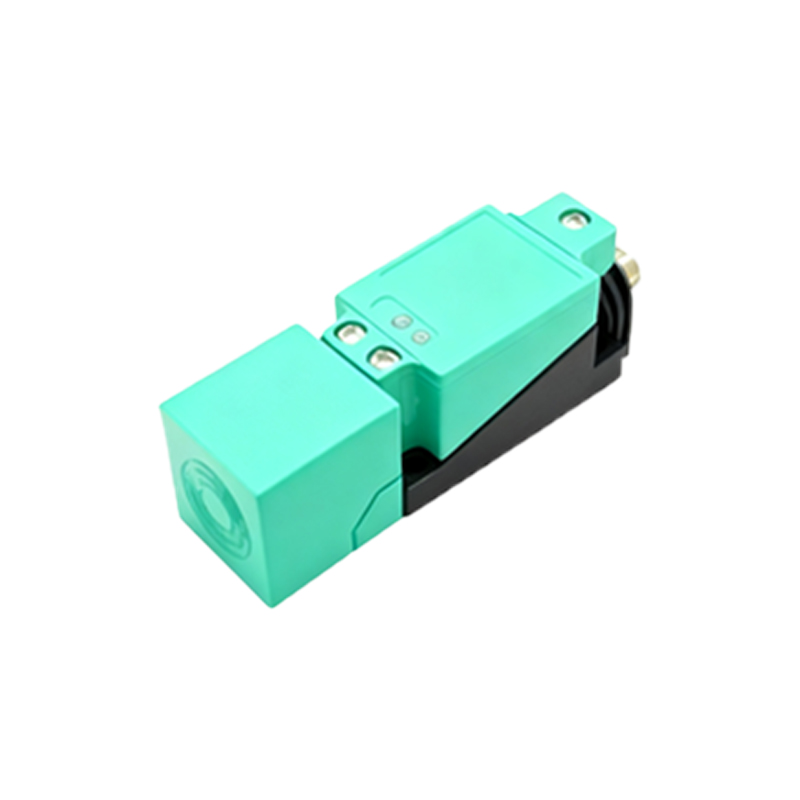
Inductive proximity sensors from Festo are designed to detect metallic objects. They generate an oscillating electromagnetic field from a coil. When a ferrous or non-ferrous metal object enters this field, it induces eddy currents, causing a change in oscillation amplitude. The sensor's circuitry detects this change and triggers a switching signal. Festo's inductive sensors are renowned for their high switching frequencies, exceptional repeat accuracy, and robust housing, making them ideal for tasks like counting metal parts, detecting piston positions in cylinders, or ensuring tool presence in machine tools.
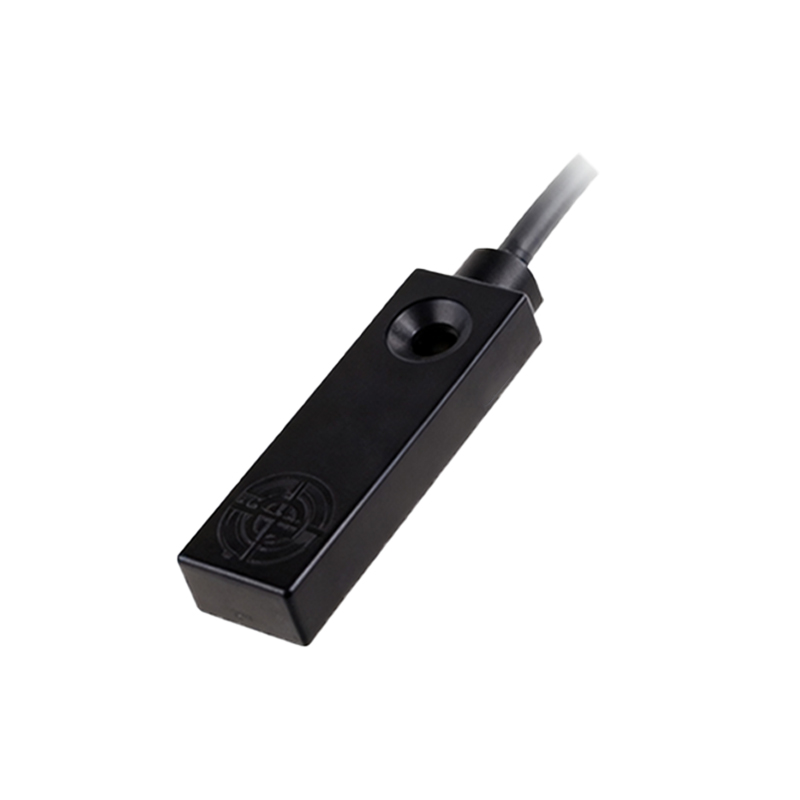
For non-metallic materials—such as plastics, glass, wood, or liquids—Festo provides capacitive proximity sensors. These sensors function similarly to inductive types but can detect any material that affects a capacitor's electrostatic field. They measure the change in capacitance between the sensor's electrode and the ground electrode when a target object enters the sensing zone. Festo's capacitive sensors are crucial in level detection for tanks containing liquids or granulates, monitoring the presence of packaging materials, or controlling the fill level of bottles in the food and beverage industry.
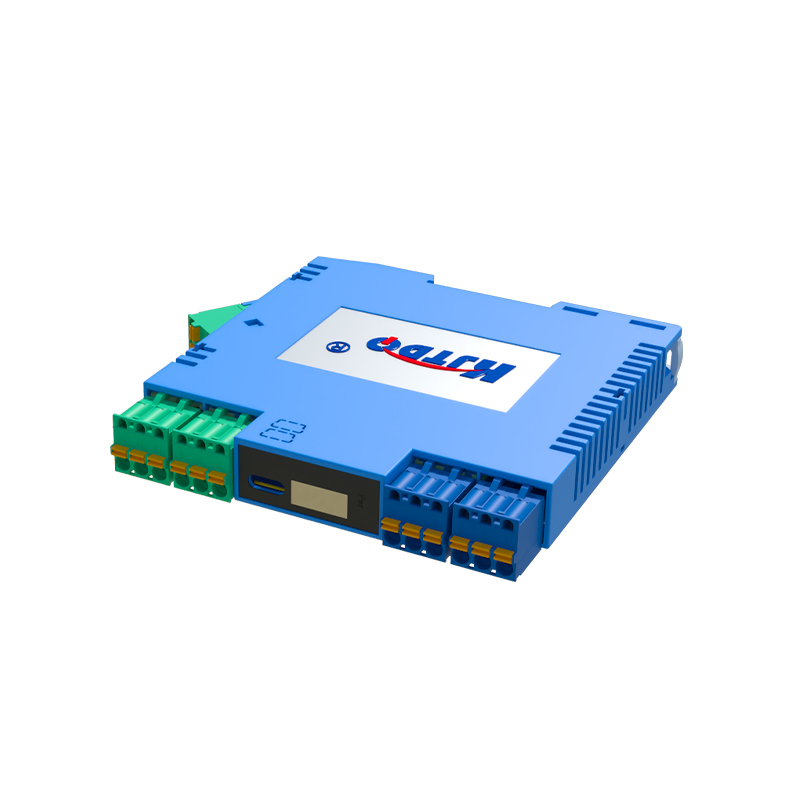
Magnetic proximity sensors, another key offering from Festo, are specifically tailored to detect permanent magnets. They are commonly used in conjunction with Festo's pneumatic cylinders that have integrated magnets on the piston. When the piston magnet moves into the sensor's detection range, it activates a reed contact or solid-state switching element. This provides a precise, wear-free method for detecting cylinder piston positions, enabling seamless sequence control in automated machinery.
The engineering philosophy behind Festo sensors emphasizes more than just detection. Key features that define their product line include high environmental resistance with protection ratings up to IP67 and IP69K, ensuring reliable operation despite dust, moisture, or high-pressure washdowns. Advanced diagnostics and IO-Link communication capabilities are integrated into many models, facilitating predictive maintenance and seamless integration into Industry 4.0 and IoT frameworks. Furthermore, Festo designs its sensors with versatile mounting options and compact form factors to simplify installation in space-constrained environments.
Selecting the right Festo proximity sensor depends on several application-specific factors: the material of the target object (metal, plastic, etc.), the required sensing distance, the operating environment (temperature, potential contaminants), the output type needed (PNP/NPN, analog, IO-Link), and the required response speed. Festo's extensive catalog and expert technical support are invaluable resources for making the optimal choice.
In practice, Festo proximity sensors are the silent guardians of automation. On a high-speed packaging line, they ensure cartons are correctly positioned before sealing. In automotive assembly robots, they confirm the precise placement of components. In cleanroom pharmaceutical production, they monitor processes without risk of contamination. Their reliability directly impacts overall equipment effectiveness (OEE), minimizing downtime and maximizing productivity.
In conclusion, Festo proximity sensors represent a fusion of German engineering precision and practical innovation. They provide the essential "sense of touch" for automated systems, delivering the unwavering reliability that industries depend on for quality, safety, and efficiency. Whether for simple presence detection or complex positional feedback within a networked digital factory, Festo offers a sensing solution that is not just a component, but a cornerstone of intelligent automation.