In today's competitive industrial and consumer electronics markets, finding high-quality components at a reduced cost is a priority for engineers, hobbyists, and procurement specialists alike. Proximity sensors, essential for automation, safety, and interactive devices, represent a significant part of many project budgets. Securing a good deal on these sensors requires a blend of market knowledge, timing, and strategic sourcing. This guide outlines practical approaches to finding genuine proximity sensor discounts without compromising on performance or reliability.
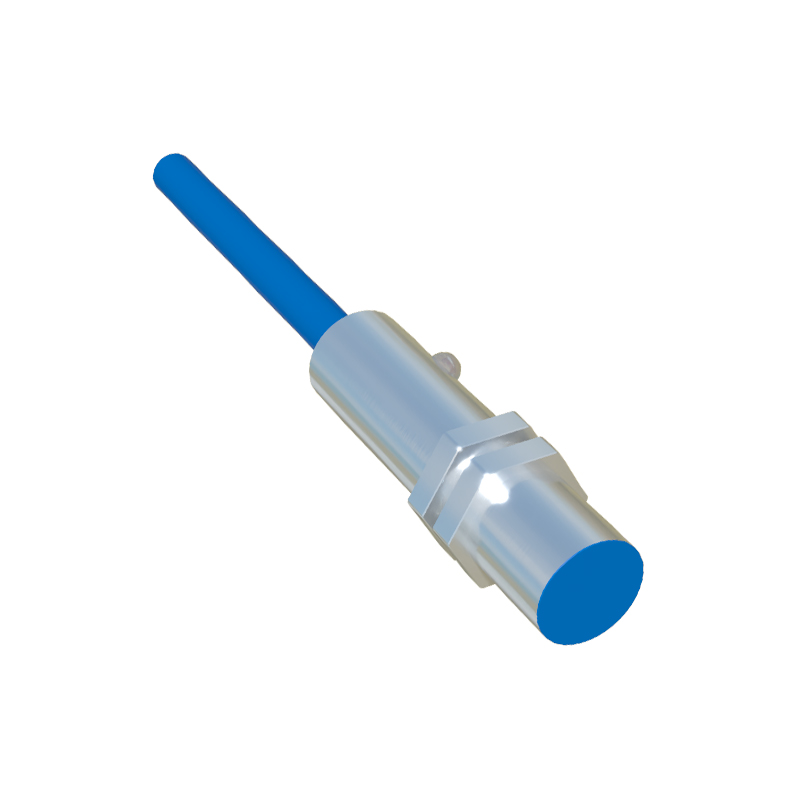
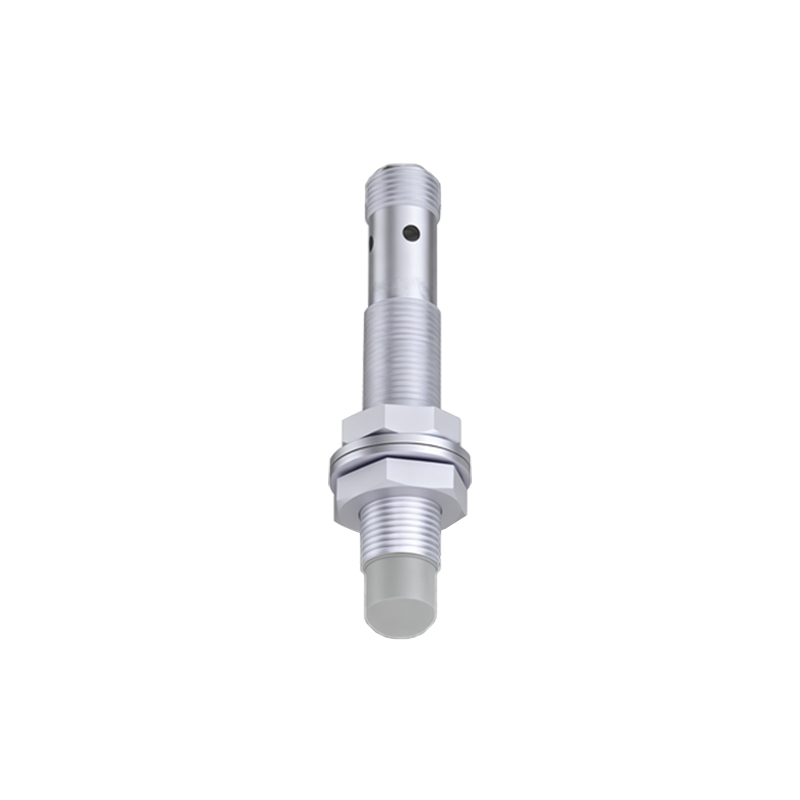
The first step is understanding the types of proximity sensors available, as discounts can vary by technology. Inductive sensors, used for detecting metallic objects, are widely used in manufacturing. Capacitive sensors can detect both metallic and non-metallic materials like plastic or liquid. Ultrasonic and photoelectric sensors offer longer detection ranges. Manufacturers and distributors often run promotions on specific categories, perhaps to clear older inventory or introduce a new product line. Identifying which sensor type your application requires narrows the search for relevant deals.
Timing your purchase is crucial. Like many industrial components, proximity sensor sales often follow industry cycles. The end of a financial quarter or the calendar year is a prime time to check distributor websites, as sales teams aim to meet targets and may offer special pricing. Major trade shows, both physical and virtual, frequently feature "show specials" with exclusive discounts on sensor products. Subscribing to newsletters from leading manufacturers such as Omron, Schneider Electric, SICK, or Keyence can provide early access to these promotions. Black Friday and Cyber Monday have also become significant events for industrial suppliers, with many offering site-wide discounts or bundled deals.
Building a relationship with a trusted distributor is perhaps the most effective long-term strategy for savings. Authorized distributors have direct lines to manufacturers and can often provide better pricing for volume orders or repeat customers. They are also privy to upcoming product discontinuations or overstock situations, allowing them to offer substantial discounts on specific part numbers. Don't hesitate to request a quote directly; for quantities beyond single units, there is almost always room for negotiation. Inquire about blanket order agreements or scheduled delivery programs which can lock in favorable pricing over a period.
Online marketplaces and component search engines have revolutionized procurement. Platforms like Octopart, Digi-Key, Mouser, and even Amazon Business aggregate listings from numerous sellers, allowing for easy price comparison. However, caution is advised. Ensure the seller is authorized or has a strong reputation to avoid counterfeit products. The lowest listed price isn't always the best deal when factoring in shipping costs, import duties, or warranty support. These platforms are excellent for spotting price trends and identifying which specific sensor models are currently available at a discount.
Consider alternative sources for non-critical or prototype applications. Many reputable manufacturers offer value or economy lines of proximity sensors that provide reliable performance for standard applications at a lower cost. Refurbished or reconditioned sensors from certified industrial equipment resellers can offer savings of 30% to 50%. These units are typically tested and come with a shorter warranty, making them a viable option for maintenance, repairs, or low-volume projects. Additionally, exploring lesser-known but certified brands can yield significant cost benefits compared to market-leading names, often with comparable specifications.
Finally, think beyond the unit price. A true "deal" encompasses total cost of ownership. A slightly more expensive sensor from a reputable source with a longer lifespan, higher reliability, and better technical support will save money on downtime and replacements. Look for discounts that include value-adds like free shipping, no minimum order quantity, or included accessories. Bundling sensors with other needed components, such as cables or mounting hardware, can also lead to overall project savings.
By combining these strategies—researching sensor types, timing purchases strategically, leveraging distributor relationships, comparing prices online wisely, and considering alternative sources—you can consistently find profitable deals on proximity sensors. The goal is to achieve optimal balance between cost, quality, and delivery, ensuring your projects stay on budget and on schedule.