In the world of industrial automation and precision control, the reliable detection of position, speed, and presence is paramount. Proximity switch encoder sensors represent a critical fusion of two fundamental technologies, providing robust and accurate solutions for countless applications. Unlike simple on/off proximity sensors, these integrated devices combine the non-contact detection capability of a proximity switch with the incremental or absolute position feedback of an encoder. This synergy creates a component that is greater than the sum of its parts, enabling sophisticated motion control and machine monitoring.
At its core, a proximity switch is a sensor that detects the presence or absence of a metallic object without physical contact, typically using inductive, capacitive, or sometimes magnetic principles. An encoder, on the other hand, is a device that converts motion into a series of digital pulses or a specific digital code. A proximity switch encoder sensor merges these functions. Often, the proximity switch acts as a "home" or "reference" sensor, providing a precise zero point or marker signal. The encoder component then provides continuous or high-resolution positional data relative to that reference point. This combination ensures that a machine or system always knows its exact position from a known starting location, eliminating cumulative errors that can occur with incremental encoders alone.
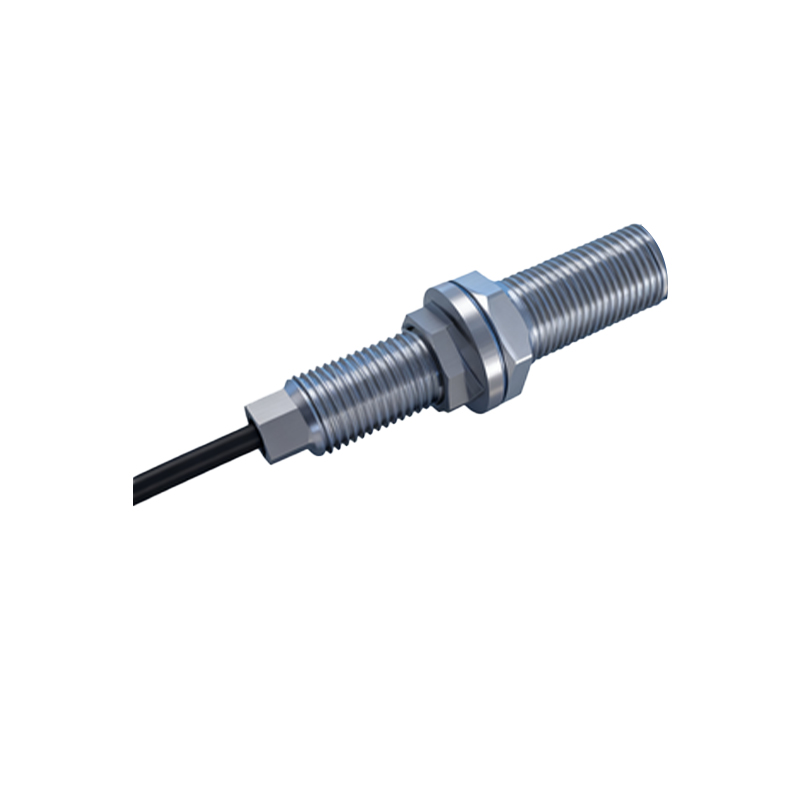
The operational principle varies based on the technology. Inductive versions are most common for detecting ferrous metals. They generate an electromagnetic field; when a metal target enters this field, it causes a change in oscillation amplitude, which is detected and processed. The encoder function is often achieved by having a patterned metal disc or shaft attached to the rotating element. The proximity sensor detects the teeth or gaps on this pattern as they pass by, generating a pulse train. More advanced versions may integrate a separate optical or magnetic encoder chip alongside the proximity sensing element within a single housing.
The benefits of using such integrated sensors are significant. They offer high reliability and long service life due to their non-contact nature, eliminating mechanical wear. They are exceptionally resistant to harsh industrial environments, including dust, oil, vibration, and moisture, especially in sealed inductive designs. By combining two functions into one device, they simplify machine design, reduce installation points, and lower wiring complexity. This integration also improves system accuracy and repeatability by ensuring the reference signal and position data originate from the same physical location, minimizing alignment errors.
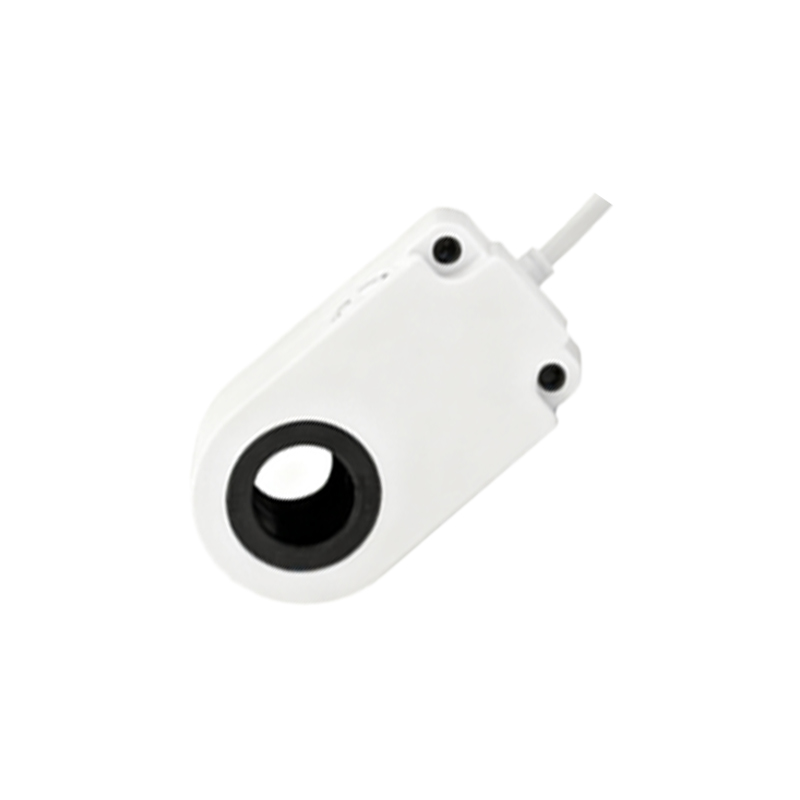
Applications for proximity switch encoder sensors are vast and varied. In robotics, they are used for precise joint positioning and homing sequences. On conveyor systems, they monitor belt speed and synchronize the position of products for sorting or packaging. In CNC machinery, they provide spindle orientation and tool changer positioning. They are indispensable in automated assembly lines, printing presses, textile machinery, and packaging equipment. Any application requiring a known reference position followed by precise relative motion tracking is a potential use case.
Selecting the right sensor requires careful consideration of several parameters. First, identify the sensing technology: inductive for metals, capacitive for non-metals or liquids, or magnetic for specific conditions. The sensing range, or the distance at which the target can be reliably detected, is crucial. Output type is another key decision: does the application require a simple PNP/NPN switch output from the proximity function, a quadrature pulse train (A/B channel) from the encoder, or a serial protocol like SSI or Profinet? Environmental factors such as temperature range, ingress protection (IP rating), and resistance to chemicals must match the operating conditions. Finally, mechanical considerations like housing style (barrel, rectangular), size, mounting method, and connection type (cable or connector) are practical determinants.
Installation and maintenance are generally straightforward but require attention to detail. Ensuring the correct air gap between the sensor face and the target is vital for reliable operation. Metal mounting brackets or surrounding metal structures can sometimes influence inductive sensors, so using non-ferrous mounts or maintaining sufficient clearance is recommended. Regular checks for physical damage, accumulation of debris on the sensing face, and verification of signal stability help prevent unexpected downtime.
In conclusion, proximity switch encoder sensors are sophisticated components that address fundamental needs in automation: finding a home and tracking movement. Their integrated design offers a compelling blend of durability, precision, and simplicity. As machinery grows smarter and demands for efficiency increase, the role of these versatile sensors will only become more central. Understanding their principles, benefits, and selection criteria empowers engineers and technicians to implement more reliable, accurate, and maintainable control systems, driving productivity and innovation across the industrial landscape.